

Huzhou Sanjin Special Textile Co., Ltd. was founded in 2002, located in the beautiful Taihu Lake in Changxing County, It is a private and technology enterprise which is specialized in garment fusible interlining and also various of knitted fabrics.Adhesive interlining is widely used in various types of clothing, shoes and hats and composite fabrics.Knitted fabrics are widely used in sportswear, uniforms.
Why Choose Us
Rich Experience
Our company is specialized in various of garment fusible interlining, the registered capital is 50million, is a very strong professional interlining production factory.
Advanced Equipment
The equipments we owned are as these: Six sets of German Carle Mayer warp speed",six sets of coating machines : one paste dot (double width), one double dot (double width) ,one paste dot (single width) and one double dot(single width).In addition we also have one set of warping-sizing equipment,two sets of dying-printing equipment and 400 rapier machines,20 jets, 300 water jets, 50 round machines, 2 hot melt adhesive production lines.
Quality Assurance
With ISO certifications and Oeko-Tex adherence, we ensure quality, durability, and eco-responsibility.
Our Certificates
To support our growth in Southeast Asia, we have established a long-term office in Vietnam. Our company has passed ISO 9001, ISO 14001, and Oeko-Tex Standard certifications, demonstrating our commitment to quality and sustainability.


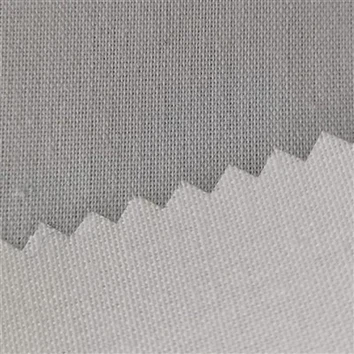


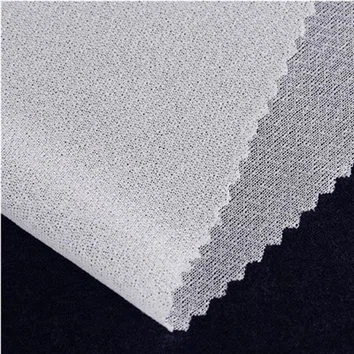


Lining fabric is a special layer of fabric sewn into a clothing garment, which has both practical and aesthetic functions. It is extremely important in clothes design, affecting the comfort of use, as well as the appearance and durability of the garment.
Advantages of Lining Fabric
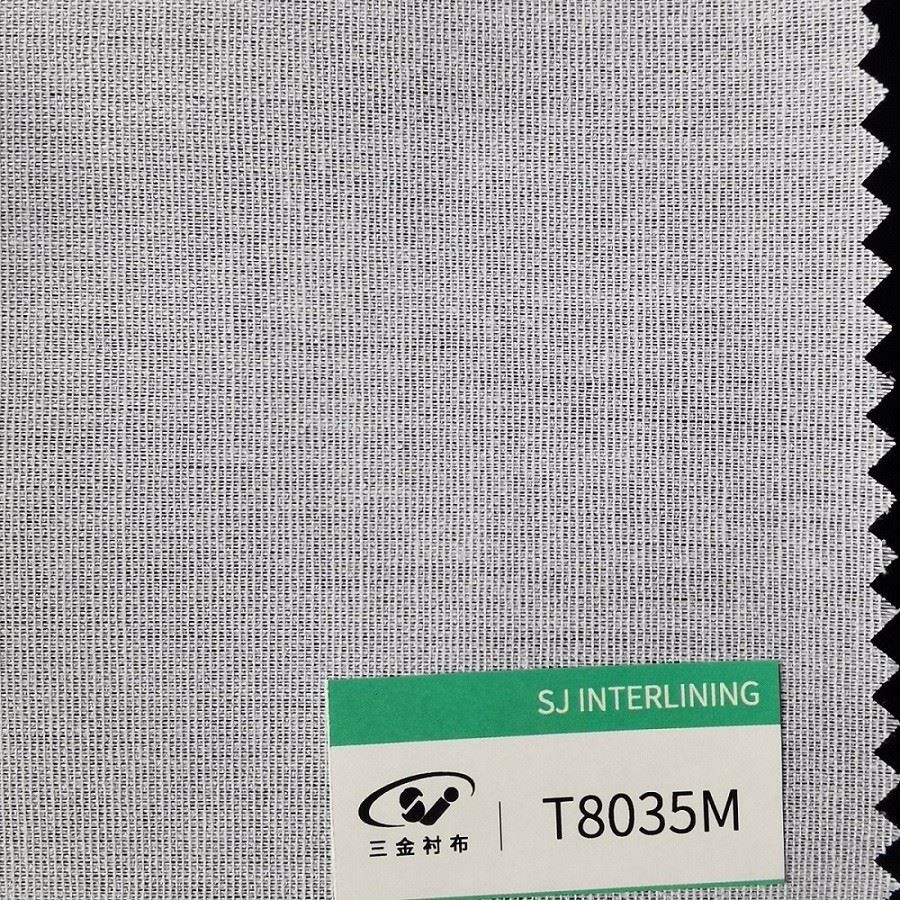
Enhanced Comfort
High-quality lining fabrics ensure that your clothing remains comfortable to wear. It prevents itching or discomfort that may arise from direct contact with the outer fabric.

Improved Durability
Durability is a critical aspect of any clothing piece. The right lining fabric can significantly extend the lifespan of your clothing. It provides extra protection to the outer fabric, reducing wear and tear.

Shape Retention
Lining fabrics help maintain the shape and structure of your clothing. They prevent sagging or stretching, ensuring that your garments look as good as new even after repeated wear.

Moisture Management
In outerwear, such as jackets and coats, moisture management is crucial. Lining fabrics can help wick away moisture and keep you dry, making them ideal for outdoor or active wear.
Opacity
For clothing made from translucent or light-coloured outer fabrics, lining fabrics play a pivotal role in maintaining opacity.
Tailoring and Fit
Quality lining fabrics enhance the overall fit and tailoring of your garments. They allow for smoother and easier movement, making fitted clothing more comfortable to wear.

Professional Finish
Finally, using the best lining fabrics elevates the professional finish of your clothing. The quality of your lining is often a reflection of the overall quality and attention to detail of your garment.

Ensures Easy Layering
For jackets and coats, a well-chosen lining fabric enables these outerwear pieces to effortlessly slide over other layers of clothing, providing a seamless and hassle-free dressing experience.
Types of lining fabrics
Polyester lining fabric
Polyester lining fabrics are durable, inexpensive and crease-resistant. However, they have the disadvantage of poor air permeability, which can lead to discomfort on warm days.
Viscose lining fabric
Viscose linings are breathable and pleasant to the touch, making them an ideal choice for the warmer months. Unfortunately, viscose is less resistant to damage, making clothes with such a lining need more attention.
Silk lining fabric
Silk lining fabrics are lightweight, breathable and extremely elegant, but their high price and need for special care can be a challenge.
Cotton lining fabric
Cotton is a natural, breathable material that is ideal for summer clothing.
How to Choose Lining Fabric
Compatibility
It should complement the outer fabric in terms of weight and texture.
Breathability
It should be breathable and comfortable against the skin, especially if the garment will be worn for extended periods.
Natural fibers such as cotton, silk are more breathable and comfortable than synthetic fibers like polyester and nylon.


Durability
It should be durable enough to withstand wear and tear, and should also be washable or dry-cleanable, depending on the care instructions for the outer fabric.
It is important to choose a lining that will not shrink or warp in the wash.
Aesthetics
The inner fabric should match the garment’s main design and style in terms of colour and texture.
A lining fabric in a complementary colour may be required if the outside fabric is sheer or light-colored to avoid see-through.
Top Tips for Sewing with Lining Fabrics
Choose the Right Lining Fabric: Select a lining fabric that complements your main fabric in terms of weight, drape, and color. Common lining fabrics include silk, polyester, rayon, and acetate.
Pre-Wash or Pre-Treat the Lining Fabric: It's a good practice to pre-wash or pre-treat the lining fabric before sewing to account for any potential shrinkage.
Use a Sharp Needle: When sewing with lining fabric, it's important to use a sharp needle. A fresh needle will ensure clean and precise stitching without damaging the delicate fabric.
Pin and Cut with Precision: Pin the lining fabric carefully to the pattern pieces and cut accurately. Since lining fabric is usually slippery, using pattern weights or a fabric stabilizer can help keep everything in place during cutting.
Reduce Fraying: Lining fabrics tend to fray easily. To minimize fraying, consider using pinking shears, applying a fabric fray inhibitor, or using a serger/overlocker to finish the raw edges.
Use a Lightweight Thread: Opt for a lightweight thread when sewing with lining fabric. A fine polyester or silk thread will help prevent bulkiness and ensure smooth seams.
Take Extra Care with Pressing: Test the iron temperature on a scrap piece of lining fabric before pressing. Some lining fabrics are heat-sensitive and can melt or scorch.
Trim Seam Allowances: To reduce bulk, trim the seam allowances in the lining fabric. However, be cautious not to cut too close to the stitching, as it may weaken the seams.
Understitching for a Neat Finish: Understitching is a technique where the lining is stitched close to the seam allowances, helping the lining fabric to stay in place and not peek out.
Test and Adjust: Before sewing the actual garment, it's always a good idea to make a test garment or sew a small sample to ensure the fit and construction techniques work well with the lining fabric.
FAQ
We're professional lining fabric manufacturers and suppliers in China, specialized in providing quality products and fast delivery. Please feel free to wholesale high-end lining fabric from our factory. Contact us for customized service and free sample.
green lining fabric, wrinkle resistant interlining, heat resistant interlining