

Why Choose Us?
Rich Experience
Our company is specialized in various of garment fusible interlining, the registered capital is 50million, is a very strong professional interlining production factory.
One-Stop Solution
From the beginning to control raw materials, to quality control, to strict delivery time control, shipping samples according to customer requirements before delivery, timely booking, follow up customs clearance documents and other documents.
Wide Product Range
Our product range covers uniforms, shirts, waist linings, cap linings, and composite cloth, with additional services like sltting.
Excellent Customer Service
Confirm the sample with the customer, and try to clarify the customer's various needs. Timely communication with customers about product quality, regular satisfaction survey.
What is Net Mesh Fabric?
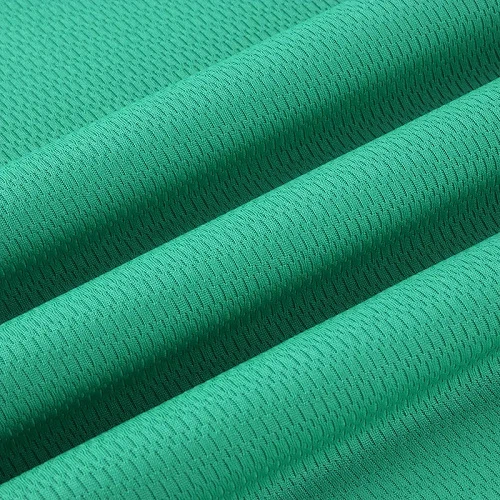
Net fabric, often referred to as mesh fabric, is a versatile and elegant textile known for its open, breathable structure and delicate appearance. This unique material has been used for centuries in various forms to create a wide range of garments, accessories, and home decor items. In this comprehensive article, we will delve into the world of net fabric, exploring its material composition, different types, and diverse applications.


Advantages of Net Mesh Fabric
Breathable
Because of the loose pattern of mesh fabric, it's very breathable, even if it's made from polyester or nylon. Heat and sweat escape from the holes in the fabric, making it a good choice for sportswear.
Easy to maintain
Mesh fabrics are relatively easy to maintain because of their moisture-wicking properties and are synthetic.
Wrinkle-free
Mesh doesn't easily wrinkle because it is knitted. So, you don't have to iron them.
Strong
Mesh fabrics were made to be strong because of their original purpose—catching fish. It's also made from synthetic materials that even strengthen it.
Elastic
Mesh fabric is a type of knitted fabric, which means it will stretch well.
Water-resistant
Like polyester and nylon fabrics, mesh fabrics are water resistant. Thus, it's a good choice to make sports apparel for its wicking properties.

Polyester mesh
Most types of meshes used in sportswear and athletic apparel are made from polyester. This type of fabric is incredibly lightweight, and it has a noticeable ability to wick moisture. Unlike other types of fabric, polyester mesh does not get bogged down with sweat, and it is highly breathable.
Nylon mesh
One of the most iconic applications of nylon mesh is in beekeeping veils. This type of mesh is less commonly used to make apparel, and it is more frequently used to make items like tent screens and laundry bags. However, nylon mesh is sometimes used to make lightweight garments like evening dresses.
Tulle
This type of mesh is most frequently used in brightly-colored dance garments as an accent. In some cases, tulle may be made from silk, which mitigates the environmental impact of this type of mesh fabric. However, it's far more common to find tulle made from polyester or nylon, and this fabric is commonly bunched to generate a textured appearance.
Power mesh
Power mesh is known for its compression abilities, and it is commonly used in a variety of sportswear and shapewear garments. This type of fabric is also sometimes used in home decor due to its almost entirely sheer appearance. Power mesh is not a trademark of any corporation; on the contrary, it is simply a name given to a type of mesh that is more elastic and more suited for shapewear than normal nylon or polyester mesh.
Material of Net Mesh Fabric
Nylon
Nylon net fabric is popular for its durability, elasticity, and resistance to moisture. It is commonly used in lingerie, veils, and athletic wear.
Polyester
Polyester net fabric offers excellent color retention, making it ideal for dyeing and vibrant designs. It is used in costumes, dancewear, and sportswear.
Cotton
Cotton net fabric is soft, breathable, and comfortable, making it suitable for applications such as curtains, mosquito nets, and lightweight clothing.
Silk
Silk net fabric is luxurious and delicate, often used in high-end fashion for evening gowns, bridal wear, and accessories.
Application of Net Mesh Fabric
Mesh fabric is mostly seen in intimate apparel, hosiery, and shapewear. This is because of the intricate pattern it has, which is loved by many, as well as the comfort it provides. This can be used in lingerie, tights, stockings, and form-fitting undergarments.
Another popular use of mesh fabrics is for sportswear. Because of mesh fabric’s lightness and breathability, it is commonly used in leggings, sports bras, swimsuits, and other sports apparel.
Mesh fabrics are not limited only to apparel use. It can also be used for your home. Mesh fabric can be used as blinds, mosquito nets, awnings, laundry hampers, etc.
Mesh was originally used for fishing and is still used for this purpose today. But compared to before, when they used ropes, fishermen now use nets made from synthetic mesh fabric.
While many overlook this, mesh fabric is also used in medicine. What they use is surgical mesh. It’s used for hernia operations or whenever there are prolapses.
How to Make the Best Uses of Net Mesh Fabric for Your Dresses?


Delicate Overlay
One of the most classic and versatile uses of net fabric is as an overlay. Adding a layer of embroidered net fabric over a solid base can instantly create a delicate and light effect, like a graceful dance of shadows. This is commonly seen in wedding gowns, where net overlays bring a sense of romance and elegance. Additionally, this technique can be incorporated into everyday dresses by selecting subtle colors and more casual silhouettes.
Sleeve Accents
Net fabric offers many creative options for integrating unique and eye-catching sleeve accents. Whether you're designing a cocktail dress or an elegant evening gown, experimenting with bell sleeves, puff sleeves, or long, sheer sleeves crafted from net fabric can infuse a touch of elegance and allure, resulting in a dress that exudes sophistication and individuality. The lightweight and versatile nature of the embroidered net fabric also allows for endless possibilities in combining it with other materials, ensuring your design stands out from the crowd.
Layered Skirts
Creating layered skirts with embroidered net fabric is a fantastic way to add dramatic movement to your dresses. For a playful and flirty look, opt for a tiered net skirt. For a more sophisticated touch, use net fabric as an underlayer where it peeks through a top layer of a solid or lacey fabric. Layering creates depth and visual interest within your garment.
Intricate Appliqué
Net fabric serves as an excellent canvas for intricate appliqué work. The open-weave structure allows you to attach lace, embroidery, or other decorative elements seamlessly. By strategically placing appliqués on the net fabric, you can achieve a striking and artistic effect. This technique is favored for designing wedding gowns and evening dresses, where meticulous adornment is highly valued.
Neckline Detailing
The neckline of a dress has the power to captivate. Using net fabric, with its delicate and translucent qualities, can transform an ordinary neckline into a mesmerizing focal point. Whether you opt for an elegant, high illusion neckline embellished with exquisite netting or a daring and compelling plunging V-neck adorned with intricate net fabric, this versatile material adds an element of intrigue and allure to your dress.
Mix and Match with Other Fabrics
Embroidered net fabric is versatile and blends with various materials. You can pair net with silk, satin, lace, or denim for various looks. The mix of different textures and colors makes an appealing and balanced combination. You get to play with different styles and designs with this mixing and matching.
Cinched Waist Detail
Using net fabric to create a cinched waist detail can highlight the hourglass silhouette of a dress. The net overlay can be gathered or pleated at the waist, adding a graceful and feminine charm to your design. This is an excellent choice for both formal and casual dresses, as it can enhance the overall fit and aesthetic.
Short and Sweet
Net fabric is not limited to long gowns and formal dresses. Short dresses, such as cocktail dresses and sundresses, can benefit from the ethereal and weightless nature of embroidered net fabric. A short net dress can be a playful and stylish choice for casual and semi-formal occasions.
Bohemian Maxi Dresses
If you're drawn to bohemian fashion, consider incorporating net fabric into your maxi dresses. You can enhance the free-spirited and laid-back boho style of your maxi dresses by adding net fabric in the form of sleeves, panels, or full-length skirts. Complete the look by pairing your dress with sandals and accessorizing with woven straw hats and beaded necklaces.
Be Daring with Color
Embroidered net fabric comes in a wide range of colors, and daring to experiment with vibrant pastels, bold brights, or even shimmering metallic shades can create a genuinely memorable dress. While timeless colors like white and black always remain stylish, venturing into new territory with net fabric allows you to stand out in a crowd. Embracing the diverse color range, you can elevate your dress to a whole new level. With net fabric's transparency as your ally, a carefully chosen color will leave a lasting impression.
If you go back to ancient Indian civilization and western civilization, you will find the dresses with substances of net fabric. Though the original history is not clear, yet there is much evidence of the use of net fabric in the ancient days. For centuries back, this fabric has been used to make gorgeous dresses. The oldest net saree has been found in the Pre-Mughal making it very apparent that this fabric is popular among women in those times. Lace is a form of the net which has its origin in the Victorian era. The British introduced Lace in India as the British Women wore stylish dresses made of this fabric. Hopefully, now you can understand how much attractive the fabric is. Along with the eye-catching look, it makes the fabric become light wear and easy to wear.

Dont's of Net Mesh Fabric
Don't Use Any Chemicals
Never put solvents or petrochemicals on anything made of mesh cloth. This applies to any combustible liquid — such as oil, gasoline, or any other kind. These liquids have the potential to severely harm the net mesh fabric's fibers.
Don't Keep It Undried
The best way to dry mesh fabric clothing is to hang it up after washing. If one decides to use a dryer, it should be on a low setting or without any heat. Otherwise, the mesh fabric may eventually break down as a result of high temperatures affecting its inherent fibers.
Don't Use Aggressive Solvents
Never use harsh cleaners like bleach, laundry detergent, or any other kind of chemical cleaning on mesh fabrics. These strong chemicals can harm mesh fabric's delicate fibers and reduce its longevity.
Don't Let Stains Linger
On net mesh fabric clothes, pay close attention to any dirt, debris, or stains. The longer these substances are left on the material, the more difficult it will be to get them off. Any soiled substance left on the mesh fabric for an extended period of time might harm the fabric's fibers and leave behind stains that won't go away.
Care and Maintenance of Net Mesh Fabric
Cold or Hand Wash
Considering that your net mesh fabric is made from synthetic material, as a general rule, washing your mesh fabric clothing items in cold water by hand or on a gentle cycle will help prolong the life of your mesh fabrics. If machine washing is your preference, consider using the gentle cycle on your washing machine. This will help to protect your mesh fabrics from being damaged in the wash. Always check the care label before washing any mesh fabric clothing item.
Regularly Brush Using a Soft-Bristled Brush
Brushing your net mesh fabric items using a soft-bristled brush regularly is essential to remove any dirt or debris. This will also help keep the fabric looking new and prevent any pilling. This is best done to mesh fabrics with a stiff material (i.e., nylon and polyester). It is vital to use gentle motions when cleaning your mesh fabric items. Pay close attention to the tiny holes in the fabric to avoid snagging on the netting. Harsh scrubbing can damage the fragile fibers of your mesh netting, and this can cause the material to break down over time and become damaged.
Pre-Treat Harsh Stains
If you notice any tough or harsh stains on your net mesh fabric items, it is crucial to pre-treat them as soon as possible. The sooner you treat a coloring, the easier it will be to remove. Harsh stains can damage the delicate fibers of your mesh fabric, so it is best to take care of them immediately. You can pre-treat stains on your net mesh fabrics in a few different ways. One way is to create a paste using water and baking soda, and another is to use a diluted vinegar solution. You can also use a stain solution that you can get from the store. Whichever method you choose, test it on an inconspicuous area of the fabric first to ensure it does not damage the mesh netting.
Store Folded
To prevent your mesh fabric items from being damaged, it is vital to store them properly. The best way to store mesh fabrics is to keep them folded or hang them up, which will help prevent creases or wrinkles from forming in the material. It is also essential to ensure that your net mesh fabrics are stored in a cool and dry place. An excellent way to store mesh fabrics is to keep them in a garment bag or folded in a drawer. If you're storing them in a closet, keep them away from heat sources such as radiators or vents.
How is Net Mesh Fabric Made?
Weaving or Knitting
Weaving: In weaving, the process involves interlacing two sets of yarns, known as the warp (longitudinal yarns) and the weft (crosswise yarns), at right angles to create a stable and consistent fabric. In the case of net fabric, the warp yarns are usually finer and closely spaced, while the weft yarns are coarser and widely spaced. This arrangement forms the characteristic net-like appearance.
Knitting: Knitted net fabric is produced using a series of interconnected loops, similar to how a scarf or sweater is knitted. The knitting process allows for more flexibility in creating different mesh patterns, and it is often used for lightweight and stretchy net fabrics.
Selecting Yarns
The choice of yarns used in net fabric production plays a crucial role in determining the characteristics of the final fabric. Common yarn choices include cotton, polyester, nylon, and other synthetic fibers. The selection of yarns depends on the intended end use of the net fabric, such as its softness, strength, and durability.
Netting Machines
For mass production, specialised netting machines are used. These machines have different configurations based on whether they are designed for weaving or knitting.
Finishing
Once the net fabric is woven or knitted, it undergoes a finishing process to remove any impurities, improve its appearance, and enhance its properties. This may involve washing, dyeing, or adding various chemical treatments.
In the case of our Sienna Dress it was also hand embroidered to give it the beautiful leaf motifs and sparkle it currently has.
Cutting and Rolling
After the net fabric is finished, it is cut into desired lengths and rolled onto bolts or spools for packaging and distribution.

Like most fabrics, it is advisable to pre-wash your mesh fabric to familiarize yourself with the washing instructions and to address any potential shrinkage before starting your project. Although unlikely, pre-washing helps ensure that any shrinkage occurs prior to the construction of your project. Our mesh fabric can be easily cared for by machine washing it at 60 degrees, tumble drying it, and using a cool iron. However, it's important to note that certain mesh fabrics may require cool or hand washing only. When it comes to cutting mesh fabric, while you can use scissors, we highly recommend utilizing a rotary cutter and a self-healing mat, along with pattern weights, for the most precise cuts. Attempting to cut through two layers at once may result in inaccurately shaped patterns. The layers tend to shift and slide, so it's best to cut one layer at a time.
Step 1: Prepare the materials
Gather the following materials before you begin:
Embroidery hoops or rings (optional but helpful for stabilizing the fabric)
Ruler
Marker or chalk for fabric marking
Scissors or rotary cutter
Self-healing mat
Pins
Needle with a sharp point
Polyester thread
Step 2: Preparing the net mesh fabric
If possible, prewash the mesh fabric to increase flexibility and enable easier ironing - this step will make working with it simpler.
Step 3: Mark and Cut the Fabric
To mark and cut mesh fabric accurately, use a ruler with a fabric marker or chalk to draw any patterns or shapes you desire on it. Be cautious not to cut multiple-layered cuts as the fabric could slip and slide out.
Step 4: Pin the edges
To secure mesh fabric when sewing it together, pin its edges along each section you wish to join together. It may slip during stitching, so pinning will keep it secure during this step and help maintain an exact gap between pins to avoid stitching incorrect outlines.
Step 5: Sewing the mesh fabric
When sewing mesh fabric, choose an appropriate needle with a fine point that glides easily through it. Start slowly stitching a little at the first pause after every few stitches for inspection, avoiding excessive basting as this could stretch it too much and prevent the stretching of the fabric.
Step 6: Join the seams
To join seams successfully, consider an overlocking stitch. Beginners should mark out their lines before beginning sewing; an overlocking stitch may prove more adaptable than a zigzag stitch. When sewing mesh fabric manually, use a shorter stitch length to reach mesh holes easily.
Our Certifications

Our Factory
Huzhou Sanxin Import and Export Co., Ltd., established in 2014, is an export-focused company initiated by Huzhou Sanjin Specal Textile Co., Ltd., a strong and specialized interlining production factory founded in 2002. Located in Changxing County near Taihu Lake, our company specializes in various garment fusible interlinings, offering products such as cotton and polyester interlinings, woven interlinings, collar interlinings, spray lining (low elasticity), and silk lining. We are recognized with Zhejiang Province famous trademarks and products.

Ultimate FAQ Guide to Net Mesh Fabric
Q: What are the features of mesh fabric?
Q: Is mesh fabric good quality?
Q: What is the advantage of mesh fabric?
Q: Why is net fabric important?
Q: How durable is mesh fabric?
Q: Is mesh fabric good for summer?
Q: How is net fabric made?
Q: Is mesh fabric washable?
Q: What is net fabric called?
Q: Is net fabric stretchy?
Q: What is net fabric information?
Q: How do you secure mesh fabric?
Q: Can you dry mesh fabric?
Q: Can mesh fabric be dyed?
Q: Is net fabric knitted or woven?
Q: How do you dye mesh fabric?
Q: Is mesh fabric hard to sew?
Q: How strong is mesh fabric?
Q: What is the weave structure of net fabric?
Q: Is mesh fabric easy to clean?
We're professional net mesh fabric manufacturers and suppliers in China, specialized in providing quality products and fast delivery. Please feel free to wholesale high-end net mesh fabric from our factory. Contact us for customized service and free sample.
department store use net mesh fabric, unfolding use net mesh fabric, trade show use net mesh fabric