


Why choose us
Our Products
Our company specializes in various garment fusible interlinings. We offer a range of products, including cotton and polyester interlinings, woven interlinings, collar interlinings, low-elasticity spray linings, and silk linings.
Professional and Complete Equipment
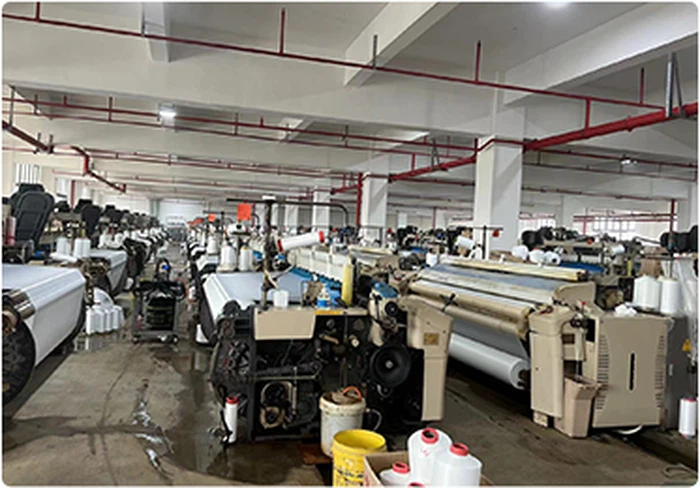
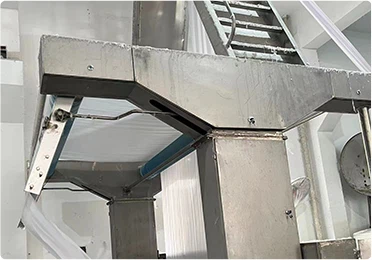
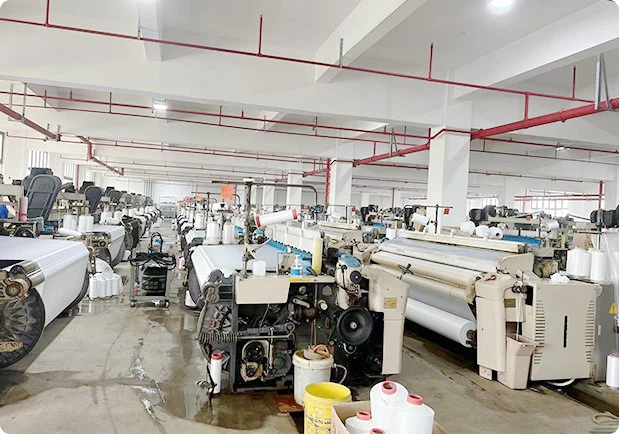
We have advanced equipment for production, including double point bonding machines, 400 rapier looms, 36 air jet looms, and 236 water jet looms. Our facilities also include 2 dye printing machines, 1 sizing set, and 3 warping machines.
Professional Services
We focus on controlling materials, ensuring quality, and meeting deadlines. We also provide shipping samples as needed.
Our Certificates
To support our growth in Southeast Asia, we have established a long-term office in Vietnam. Our company has passed ISO 9001, ISO 14001, and Oeko-Tex Standard certifications, demonstrating our commitment to quality and sustainability.
What is Sports Fabric
Sports fabrics are technical materials which help to keep the wearer comfortable during exercise. The type of fabric required will depend upon the intensity of the exercise and the activity. Yoga clothing should use fabrics with good stretch ability for easy movement which will likely require the fabric to be of a knitted construction. Apparel for long distance running will keep the wearer in good comfort if it has excellent moisture wicking properties to enable sweat to transfer from the inside to the outside for the garment. Performance clothing for outdoor sports in the winter or snow sports ought to use breathable fabrics with very good insulating properties.

Mesh fabric in the weaving process to ensure high strength and durability. Its compact structure, not easy to break, tear or deformation. This makes it an ideal choice for making rugged, durable sporting goods and outdoor equipment.
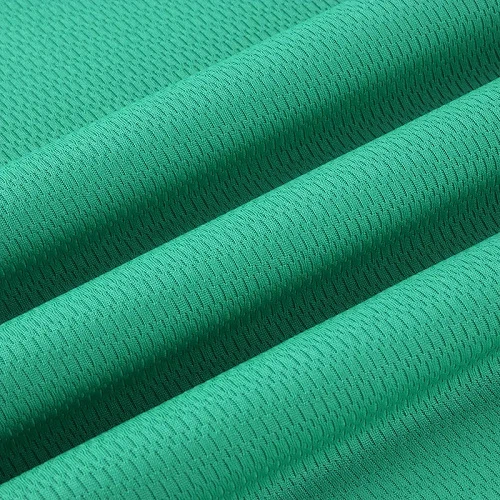
This unique fabric is resistant to static electricity, tearing, bacteria, and is absorbent to sweat while quick-drying. It has anti-wrinkle properties, is durable and breathable, and does not conduct electricity.

Our company sells a wide range of high quality mesh fabrics with different hole positions and elasticity. These mesh cloths are ideal for various uses such as outdoor clothing because they are extremely breathable.
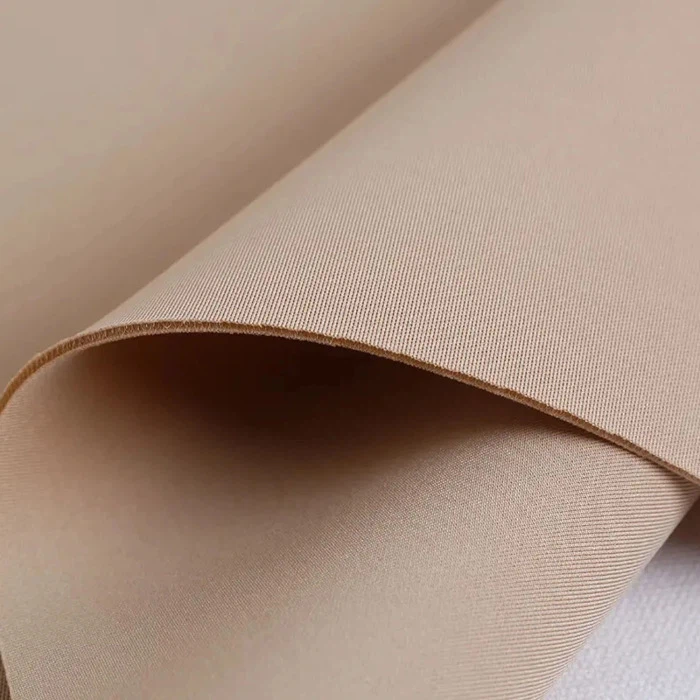
Air layer fabric has the following characteristics: Soft and smooth Selected high-quality raw materials, the cloth surface feels silky and smooth in strict environmental protection dyeing and finishing feeding, more healthy and environmentally friendly.
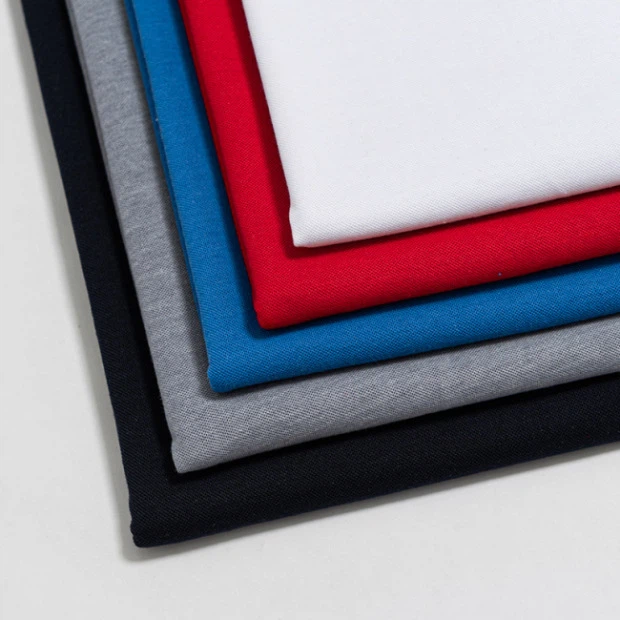
This fabric has many special product features. The color fastness of bead floor cloth is extremely high, whether in daily life or after many times of washing, its color can maintain the stability of color.

Polyester Tricot Warp Knit Fabric
One of the main features of polyester tricot warp knit fabric is its strength and durability. It is known for its resistance to tearing, abrasion and pilling, making it an ideal choice for high-wear applications such as sportswear, active wear, and outdoor apparel.
Benefits of Sports Fabric
Moisture Management
●Wicking Properties: Many sportswear fabrics are engineered to wick moisture away from the skin, keeping the wearer dry and comfortable during intense activities.
●Breathability: These fabrics often allow for better airflow, helping to regulate body temperature.
Comfort and Fit
●Stretch and Flexibility: Fabrics like spandex or elastane provide stretch, allowing for a full range of motion without restriction.
●Softness: Many sports fabrics are designed to be soft against the skin, reducing chafing and discomfort during physical activities.
Durability
●Resistance to Wear and Tear: Sportswear is often made from high-strength fibers that withstand rigorous use and frequent washing.
●Fade and Shrink Resistance: Many fabrics maintain their color and shape over time, even after multiple washes.
Temperature Regulation
●Insulation Properties: Some sports fabrics help retain warmth during colder activities, while others are designed to keep the body cool in hot conditions.
●Thermoregulation: Advanced fabrics can adapt to body temperature changes, providing optimal comfort.
Lightweight and Quick-Drying
●Minimal Bulk: Sports fabrics are typically lightweight, allowing for easy movement and less fatigue.
●Fast Drying: Many materials are designed to dry quickly after sweating or exposure to water, enhancing comfort and reducing the risk of chills.
UV Protection
●Sun Safety: Some sportswear fabrics offer built-in UV protection, helping to shield the skin from harmful sun rays during outdoor activities.
Odor Control
●Antimicrobial Treatments: Many sports fabrics are treated to resist odors caused by bacteria, helping athletes feel fresher for longer.
Stylish Designs
●Variety and Aesthetics: Sportswear fabrics come in a range of colors, patterns, and styles, allowing for personal expression while being functional.
What Fabric is Best for Sportswear?
When to Wear It: Perfect for almost any type of workout and any type of weather.
Polyester is the workhorse of fitness fabrics. You can find it in almost everything sold in a sportswear store, and it's logical. Polyester is very durable, wrinkle-resistant, and moisture-wicking. It's also breathable and lightweight, allowing your sweat to evaporate through the fabric, helping you stay relatively dry.
When to Wear It: When exercising outdoors in sleet, rain, snow, or high humidity.
Polypropylene is a type of plastic, and polypropylene fabric is a thin, flexible form of this plastic. It's almost completely waterproof, making it a great base or outer layer. It is used in raincoats, sports bras, tight base layers, and socks.
Like polyester, polypropylene is very durable and wrinkle-resistant. It will keep you dry when exercising in wet, foggy conditions and help keep you warm when exercising outdoors in the cold.
When to Wear It: Suitable for almost all workouts and weather conditions.
Another common fabric, nylon is soft, mildew-resistant, and stretchy. It flexes as you move and has excellent recovery, meaning it returns to its original shape and size after stretching.
Nylon also has a wonderful ability to draw sweat away from the skin and through the fabric to the outer layer, where it can evaporate. You'll find nylon in just about everything, including sports bras, performance underwear, tank tops, t-shirts, shorts, leggings, and cold-weather activewear.
When to Wear It: During workouts that involve a wide range of motion, such as yoga, Pilates, fitness, and weightlifting.
Spandex is very flexible and stretchy, making it ideal for workouts requiring a wide range of motion. This synthetic fiber is mainly used in tight clothing such as sports shorts, leggings, and sports bras. You can also find small amounts of spandex in socks, boxers, and loose-fitting clothing.
When to Wear It: For sports that don't cause you to sweat profusely.
Cotton is ideal for warm-weather everyday wear because it's light and breathable. However, avoid cotton if you plan to sweat. Cotton is extremely absorbent, so once you start sweating, your clothes will feel heavy and damp. It traps moisture against your skin, making you feel wet and hot when you sweat. If you don't normally sweat or don't plan on doing strenuous exercise, cotton may be right for you. It washes well and doesn't retain odor like some other fabrics.
When to Wear It: In warm weather and when extra ventilation is required.
You may not find clothing made entirely of mesh, but it adds great breathability and coolness to summer clothing. In sportswear, mesh is usually made of polyester or nylon. If you live in a particularly warm, humid environment or sweat a lot, choosing sportswear with mesh cutouts can help evaporate moisture.
When to Wear It: When exercising outdoors in cool weather.
It may seem odd to include wool fabrics on a gym clothing list, but merino wool is thinner than standard thermal wool clothing. The finer fibers also make merino wool ideal for comfortable, sweat-wicking sportswear, or as a base layer if you're involved in sports such as skiing or jogging in the winter.

If you're looking for activewear fabrics, you've come to the right place! The right material can make or break your workout outfit. With various fabrics and styles available, it's essential to know which types will benefit the activities you do. If you're not sure where to start, here are a few tips to help you choose the right fabrics for your next workout outfit:
●Consider the activities you plan to do while wearing the activewear and choose accordingly.
●Different materials wick sweat in different ways: cotton absorbs moisture, while synthetics repel water.
●Keep in mind how much stretch your apparel needs based on the movements involved.
Caring for Your Activewear Fabrics
Activewear is designed to be worn during physical activity, so it's important to care for it properly to keep it in good condition. Here are some tips on how to care for your activewear:
Wash activewear after each wear: This helps remove sweat and body oils, which can cause bacteria to grow and lead to odor.
Wash activewear in cold water: Hot water can shrink and fade fabrics, so it's best to wash activewear in cold water.
Use a mild detergent: Harsh detergents can strip away the natural oils from fabrics, making them feel stiff and uncomfortable. Use a mild detergent designed for delicate fabrics.
Avoid using fabric softener: Fabric softener can coat fabrics and make them less breathable.
Air-dry activewear: Drying activewear in the dryer can cause it to shrink and fade. Air-drying is the best way to preserve your activewear.
Spot clean stains immediately: If you get a stain on your activewear, it's important to spot-clean it immediately to prevent the stain from setting.
Store activewear properly: When you're not wearing your activewear, store it in a cool, dry place to prevent mildew or mold.
Sports T-Shirt Fabrics with Quick-Drying Properties
Mesh Fabric
This fabric dries quickly and has excellent color fastness. With a moderate thickness, it is frequently used in various sportswear. The mesh features larger holes, allowing for excellent breathability. Its moisture-wicking properties quickly draw sweat away, making it more comfortable to wear during exercise.
Quick-Dry Pique
Due to its firm and tight structure, quick-dry pique is commonly used for dry-fit polo shirts. It can absorb sweat and dries quickly, keeping your body cool and dry. The fabric does not shrink or deform and has high color fastness, enhancing its durability.
Star Eyelet
Star eyelet quick-dry fabric is commonly used in sport shirts. It features small mesh holes with high air permeability. The fabric does not shrink or deform and has high color fastness, which greatly enhances its durability. The fibers absorb, diffuse, and transmit moisture through the core, quickly drawing sweat away from the skin's surface. This allows the fabric to dry quickly while also releasing body heat to keep the skin dry and cool.
Our Factory
Our company covers an area of thirty three thousand square meters,the registered capital is 50million,the total assets reaches 120 million.the sales volume in 2014 reached 130 million .The company has 3 sub-branches, which are lining cloth factories, fabric factories and rubber powder factories,covers of thirty thousand square meters of office building and workshop,about 216 employees,including 30 management personnel,40 professional and technical personnel.In 2017, the company specially deployed personnel to establish a long-term office in Vietnam to lay a solid foundation for the future expansion of Southeast Asian business.we has already passed ISO9001,ISO14001 and Oeko-Tex Standard.

FAQ
Q: What is sportswear fabric used for?
Q: Why is cotton not used for sportswear?
Q: What fabric is best for sportswear?
Q: Which fabric is best for workout?
Q: What is gym fabric called?
Q: What are sports fabrics made of?
Q: What fabric is best for sportswear?
Q: What is the method of fabric production?
Q: Can sports fabrics help control odors?
Q: Are there any eco-friendly options for sports fabric?
Q: How does UV protection work in sports fabrics?
Q: What should I consider when selecting sportswear for kids?
Hot Tags: sports fabric, China sports fabric manufacturers, suppliers, factory, elasticated lining fabric, durable interlining, elastic lining for panties, grey interlining, purple interlining, outerwear interlining