


Why Choose Us?
Rich Experience
Our company is specialized in various of garment fusible interlining, the registered capital is 50million, is a very strong professional interlining production factory.
One-Stop Solution
From the beginning to control raw materials, to quality control, to strict delivery time control, shipping samples according to customer requirements before delivery, timely booking, follow up customs clearance documents and other documents.
Wide Product Range
Our product range covers uniforms, shirts, waist linings, cap linings, and composite cloth, with additional services like sltting.
Excellent Customer Service
Confirm the sample with the customer, and try to clarify the customer's various needs. Timely communication with customers about product quality, regular satisfaction survey.
What is Polyester Mesh Netting?
Polyester mesh netting is a collection of see-through, net-like materials. Sourced or blended from polyester fibers, these fabrics are manufactured into an interwoven structure, meaning they are flexible and see-through. Use polyester mesh netting for a wide variety of applications. These fabrics can be made into fashion pieces like leggings, overlays, and bathing suit liners. Furthermore, Polyester mesh netting can also be used for window screens, door screens, and furniture upholstery.
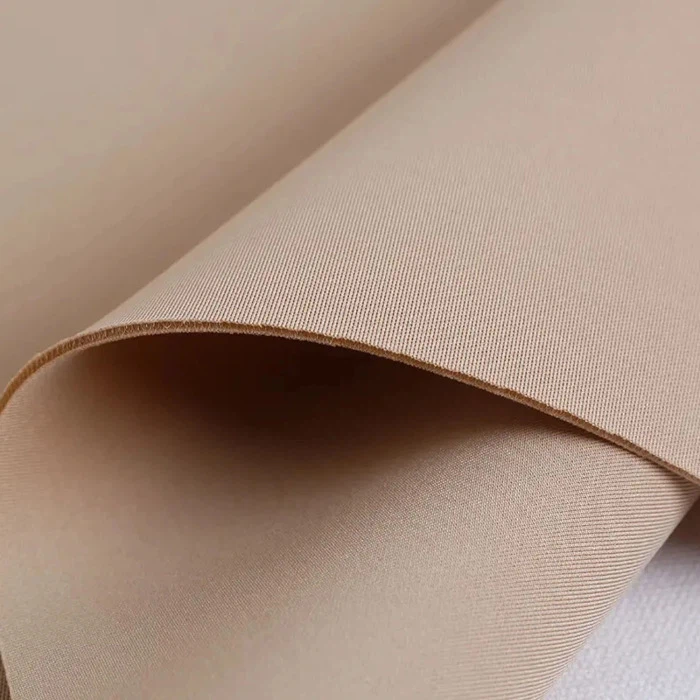
Air layer fabric has the following characteristics: Soft and smooth Selected high-quality raw materials, the cloth surface feels silky and smooth in strict environmental protection dyeing and finishing feeding, more healthy and environmentally friendly, does not irritate the skin, sweat absorption and breathability, pure combed cotton fiber has moisture absorption characteristics, fast air permeability, etc.

Polyester Tricot Warp Knit Fabric
One of the main features of polyester tricot warp knit fabric is its strength and durability. It is known for its resistance to tearing, abrasion and pilling, making it an ideal choice for high-wear applications such as sportswear, active wear, and outdoor apparel. This fabric also has excellent elasticity, which allows it to stretch and move with the body, providing excellent comfort and freedom of movement.
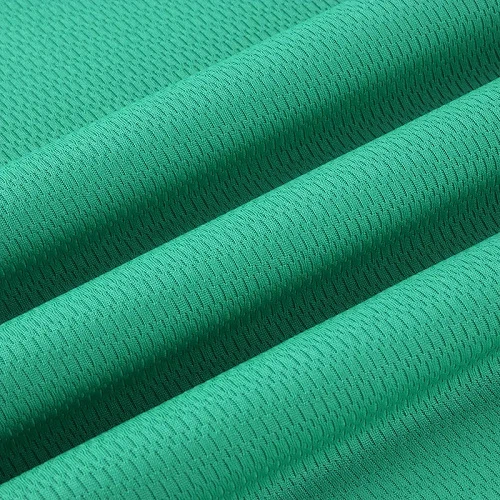
Birds Eye Fabric comes in a wide range of colors and patterns, making it an ideal choice for any occasion or fashion style. Whether you are looking for a classic or modern look, Birds Eye Fabric has got you covered. It is perfect for creating casual, formal, or even sportswear clothing, as well as home decor, such as pillowcases, curtains, and tablecloths.

Mesh fabric in the weaving process to ensure high strength and durability. Its compact structure, not easy to break, tear or deformation. This makes it an ideal choice for making rugged, durable sporting goods and outdoor equipment.
Advantages of Polyester Mesh Netting
Ease of use and accessibility
Polyester is a common fiber available at most textile manufacturing facilities. When treated with a light resin the mesh material is easy to install (sew) and clean, thus reducing excess time and labor required for its integration and maintenance.
Dimensional stability
Polyester fibers demonstrate good elasticity, which allows the material to return to its original shape after it is stretched by up to 5–6%. It's important to note that mechanical stretch is different from fiber stretch. One can design hi-stretch material using dimensionally stable yarns.
Durability
Polyester mesh fabric is highly resilient, offering inherent resistance to damage and degradation stemming from acidic and alkaline chemicals, corrosion, flames, heat, light, mold and mildew, and wear. Factors such a yarn weight (denier), entanglement, and filament count all are critical in determining durability.
Hydrophobicity
Polyester mesh is hydrophobic-i.e., tends to repel water-which translates to superior pigment absorption (meaning easier dyeing operations- as opposed to type 6 or 66 nylon) and drying times (meaning better moisture-wicking properties).
Application of Polyester Mesh Netting
Apparel
Polyester mesh is commonly used in sportswear, activewear, and athletic jerseys. It is lightweight, breathable, and wicks moisture away from the body, making it suitable for garments that require ventilation and moisture management.
Bags and luggage
Polyester mesh fabric is used in the construction of bags, backpacks, and luggage. Its strength and durability make it suitable for carrying heavy items, while the mesh design allows for visibility and airflow.
Outdoor furniture
Polyester mesh is often used for outdoor furniture such as patio chairs and loungers. It is resistant to UV rays, water, and mildew, making it ideal for withstanding outdoor conditions.
Screen printing
Polyester mesh fabric is widely used as a screen printing material. The open weave structure of the mesh allows ink to pass through while holding the desired image or design, making it suitable for printing on textiles, signage, and promotional materials.
Filtration
Polyester mesh is utilized in various filtration applications, including air filters, water filters, and industrial filtration systems. The mesh structure helps to trap and remove particles while allowing for efficient fluid or air flow.
Industrial applications
Polyester mesh is employed in industrial settings for applications such as conveyor belts, safety barriers, protective screens, and sieves. Its strength, durability, and resistance to chemicals and abrasion make it suitable for these purposes.
Home decor and accessories
Polyester mesh is used in curtains, window screens, shower curtains, and decorative accents. It allows light and airflow while providing privacy and protection from insects.
Medical and healthcare
Polyester mesh fabric is used in medical and healthcare settings for surgical implants, wound dressings, hernia repair, and prosthetics. The mesh structure facilitates tissue ingrowth and promotes healing.
Knit mesh fabric is most commonly made from either polyester or nylon yarns. While the two synthetic polymers share some properties-e.g., lightweight, durability, and tear resistance-there are several key distinctions that make them suitable for different applications.
Nylon has a smoother and softer feel than polyester, which in some situations makes it more ideal for use in applications requiring high aesthetic quality or user comfort. But, as noted above, other factors such as a high filament count can make polyester just as drapey as soft nylon.
Nylon is hydrophilic (absorbs water), while polyester is hydrophobic (repels water). As such, the former is more likely to be bogged down with water in high-moisture or high-humidity environments, while the latter dries quickly in marine and aquatic settings.
Nylon fibers are innately resistant to wear from bending and stretching, while polyester fibers are inherently resistant to heat and UV rays. These qualities make nylon mesh more suitable for applications where the material will be regularly subjected to bending and stretching, and polyester mesh more suitable for end uses where stability is key and for environments exposed to heat and sunlight. And again, it needs to be noted that these inherent qualities are basic at best. Finishing and treatment are key to performance.

The Importance of Polyester Mesh Netting Finishing and Treatment
Antibacterial finishes
Topically applied anti-microbial finishes eliminate bacterial growth on the surface of the polyester mesh fabric. Bacteria growth creates odor and is also responsible for various healthcare-associated infections. This makes the need for these types of finishes essential for equipment used in the medical and healthcare industries. They are also suitable for sporting equipment as they minimize the spread of odor-causing bacteria.
Anti-static finishes
In operations involving sensitive electrical and electronic components, it is important to minimize the buildup of static charge. Fabrics with anti-static coatings reduce the risk of employees and equipment producing static discharge that impacts the integrity of the components.
UV resistant finishes
Untreated material exposed to UV rays fades and degrades over time. As such, polyester mesh intended for use in outdoor environments (e.g., recreational equipment) requires the addition of UV inhibitors to the fabric finish or dye formulation to retain the original integrity.
Fire Resistant finishes
One of the most commonly used finishes; used to achieve FR compliance in the automotive industry, aeronautical industry, and architectural interior industry (think curtains and indoor rec areas).
How Strong is Polyester Mesh Netting?
100% Stronger Than Fiberglass
The standard material used in most screen enclosures is fiberglass. Polyester mesh is 100% stronger than fiberglass screens. The warp tensile strength of polyester mesh is about 112 pounds of force, the warp tear strength is about 31 pounds of force and the fill tear strength is about 27 pounds of force. And the all-important ball burst strength for polyester screens is about 190 pounds. In other words, polyester mesh can hold up to virtually anything when it's brand new, and it's durable enough to last more than 20 years.
Holding Up To Hurricane Winds
One of the concerns living in Florida is a hurricane coming through. While the strongest hurricanes don't pass through very often, all it takes is one to create some serious damage that can affect you for a long time. With the ratings mentioned previously, polyester mesh will hold up to some of the strongest hurricane winds, based on lab tests. Of course, the strength depends on the age, the intensity of the winds and the objects blown into the screen directly. But for the most part, you aren't going a find a screen enclosure material stronger than polyester.
Strength After Years of Absorbing UV Rays
The downfall of fiberglass screens is they don't last very long. You're lucky if you get 7 or 8 solid years out of them with no issues. One of the reasons for that is because of the intensity of the UV rays we get in Florida. After several years, the material starts breaking down and becoming brittle, leading to ultimately needing to be replaced. Polyester mesh includes UV protection properties to help it withstand these intense rays without altering the color or durability of the screen. After 10 years of use, the screen should be just about as strong as it was when you had it installed.
Simple Maintenance to Keep Strength Intact
One of the best parts when considering the strength of polyester mesh is how simple it is to maintain the material to keep the strength intact. The mesh is made with a biocide designed to repel insects, and most importantly, prevent algae and mildew growth. After a few years, you can't power wash a fiberglass screen because it becomes brittle over time. However, polyester screens can be power washed any time for as long as you own yours. Spraying it off occasionally is really all of the maintenance polyester screens need to remain strong and looking great.
Differences between Nylon and Polyester Mesh Netting
You are able to use polyester mesh for many of the applications and processes where you would use nylon mesh. But there are differences between these two materials. Both nylon and polyester may be produced using synthetic processes involving thermo plastic polymers. However, nylon is made from polyamides, while polyester is made from various polyester materials and is also able to be manufactured using plant materials. Another difference between the two is the way that they feel. Polyester often has more of a fiber-like feeling, whereas nylon can seem almost more silk-like. When it comes to the stretch ability of the mesh screen, nylon is able to be stretched, more than polyester.
Polyester mesh screen includes several properties, making it suited for several applications. Polyester is water resistant, has a resistance to certain chemicals, can withstand higher temperatures because of its higher melting point, and is resistant to most types of solvents. One specific application used for polyester is to create mesh screens used in mesh screen printing processes. In this industry, polyester screening is commonly used for printing processes that are in high demand and require precision accuracy in the area where inks are being applied, such as directly onto circuit boards. But, polyester has a lower wear resistance than nylon, so it has to be checked more frequently. For processes which do not require precision and standard screen printing process, nylon is more commonly used, in place of polyester, due to its higher wear resistance.

The overall effectiveness of polyester mesh is determined by the size of the screen openings in the mesh. Larger openings are suited for situations where you are filtering out larger particles. Any particles that are smaller than the size of the mesh opening will not be initially filtered. However, you can use a second filter mesh with smaller mesh openings, to filter out any remaining particles not removed when they were filtered through the larger screen.
Polyester mesh can be custom cut to fit with your product designs and drawing specifications. Rather than perform the cuts yourself in-house, you can order the mesh already cut to size. Ordering mesh in this manner may cost slightly more. But you gain the benefits of always having mesh available for your production runs and not having to worry about running out.
Mesh Properties of Polyester Mesh Netting
Mesh Opening refers to the actual size of the opening. Mesh opening is typically the most critical attribute because it determines the size of the particles it will capture and the size of the particles it allows to pass through. This attribute is specified in microns, which is a metric measurement equaling one thousandth of a millimeter.
Open area indicates the percentage of a specified area that is open. Open area can help determine what sort of flow restrictions might occur because of the filter. If we take a square piece of mesh screening that is exactly one inch by one inch and move all the lateral and horizontal fibers (warp and weft – we will cover this in another post or video) up and to one side we will be left with some part of the square that is solid (covered by the threads) and some part that is now open.
Mesh count is the number of threads in a linear inch and is fairly easy to determine. But it is daunting or even flat out impossible for some of the smaller mesh sizes. For mesh sizes down to about 200 microns you can count, or at least count one quarter of an inch and multiply. For sizes much smaller than that, it becomes difficult without some magnifications and a good bit of patience.
Thread diameter is the diameter of the thread measured in microns.
Weight is the weight of the material typically measured in ounces per square inch.
Thickness is the overall thickness of the mesh and measured in microns.
Air permeability measures the rate of air flow passing perpendicularly through the mesh and, for our mesh, is measured liters (l)/square meter (sq. m.)/second (s).
What Factors Should Be Considered When Caring for Polyester Mesh Netting?


Washing Instructions
Always check the care label on the garment for specific washing instructions. Generally, it is recommended to hand wash or use a gentle cycle in the washing machine with cold water. Avoid using hot water, as it can damage the elasticity of the fabric.
Detergent Selection
Use a mild detergent that is suitable for delicate fabrics. Harsh detergents can cause damage to the fibers and affect the fabric's elasticity.
Avoid Bleach and Fabric Softeners
Bleach can weaken and discolor the fabric, while fabric softeners can leave a residue that affects the stretchiness of the fabric. Avoid using both products.
Separate Colors
Wash polyester mesh nettings separately from other garments, especially darker colors. This helps prevent color bleeding and ensures the fabric's appearance remains pristine.
Hand Washing
If possible, hand wash nylon spandex items to minimize stress on the fabric. Gently agitate the fabric in a basin with mild detergent and cold water, then rinse thoroughly.
Machine Washing
If you use a washing machine, place the nylon spandex garment inside a mesh laundry bag to protect it from being stretched or snagged by other items.
Drying
Air dry nylon spandex garments by laying them flat on a clean, dry towel. Avoid wringing or twisting the fabric, as this can damage the elasticity. Never use a tumble dryer, as the heat can lead to shrinkage and loss of elasticity.
Avoid Ironing
Polyester mesh nettings are sensitive to heat, so avoid ironing them. If necessary, use a steamer on a low setting or hang the garment in a steamy bathroom to remove wrinkles.
Storage
Store nylon spandex garments flat or rolled to maintain their shape. Hanging can cause stretching over time.
Avoid Harsh Surfaces
Be cautious of rough or abrasive surfaces, as they can cause snags or pilling on the fabric.
Our Certifications

Our Factory
Huzhou Sanxin Import and Export Co., Ltd., established in 2014, is an export-focused company initiated by Huzhou Sanjin Specal Textile Co., Ltd., a strong and specialized interlining production factory founded in 2002. Located in Changxing County near Taihu Lake, our company specializes in various garment fusible interlinings, offering products such as cotton and polyester interlinings, woven interlinings, collar interlinings, spray lining (low elasticity), and silk lining. We are recognized with Zhejiang Province famous trademarks and products.

Ultimate FAQ Guide to Polyester Mesh Netting
Q: How strong is polyester netting?
Q: What is the difference between polyester and nylon mesh?
Q: How is polyester mesh fabric made?
Q: Is polyester mesh strong?
Q: What is polyester mesh fabric?
Q: Does polyester mesh shrink?
Q: Why is polyester better than polypropylene?
Q: Which is stronger polypropylene or polyester?
Q: What material is better than polyester?
Q: Is polyester cheap quality?
Q: What are the benefits of polyester mesh?
Q: What are the characteristics of mesh fabric?
Q: What are the pros and cons of polyester material?
Q: Is polyester a good quality material?
Q: Is polyester a low quality material?
Q: Why polyester is better than cotton?
Q: Is polyester good for cold weather?
Q: Is polyester mesh breathable?
Q: How to wash polyester?
Q: Does polyester shrink after washing?
Hot Tags: polyester mesh netting, China polyester mesh netting manufacturers, suppliers, factory, stretch lining textile, grey interlining, stretchy lining textile material, outerwear interlining, stretchy lining for baby clothes, stretch lining for men s clothing