

Why Choose Us?
Rich Experience
Our company is specialized in various of garment fusible interlining, the registered capital is 50million, is a very strong professional interlining production factory.
One-Stop Solution
From the beginning to control raw materials, to quality control, to strict delivery time control, shipping samples according to customer requirements before delivery, timely booking, follow up customs clearance documents and other documents.
Wide Product Range
Our product range covers uniforms, shirts, waist linings, cap linings, and composite cloth, with additional services like sltting.
Excellent Customer Service
Confirm the sample with the customer, and try to clarify the customer's various needs. Timely communication with customers about product quality, regular satisfaction survey.
What is Pique Cloth?
Pique cotton, otherwise known as Marcella. The Pique refers to a particular weaving style, where the fabric was produced using a mechanised technique or weaving double cloth with an enclosed cording weft. Pique fabric is one of the most elegant and versatile choices in the world of fashion and apparel. With its distinctive quilted texture and sophisticated appearance, Pique fabric has gained popularity in various garments and accessories over the years.
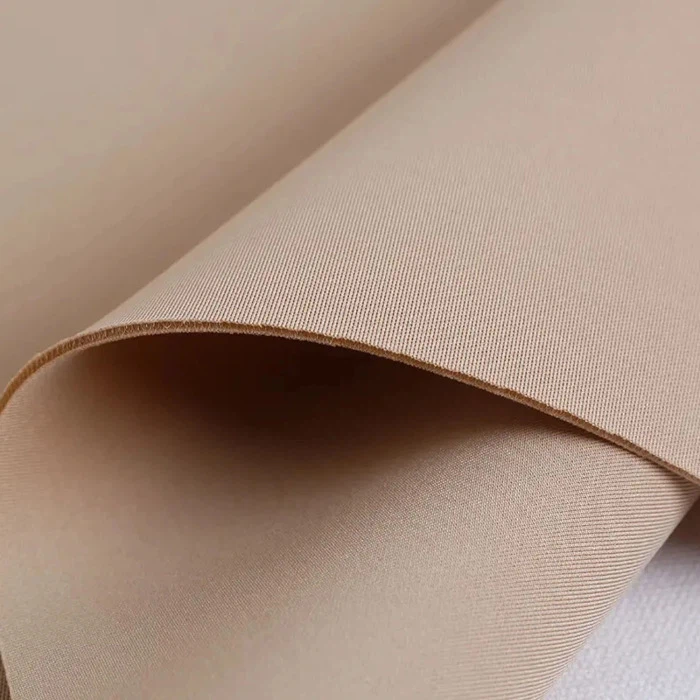
Air layer fabric has the following characteristics: Soft and smooth Selected high-quality raw materials, the cloth surface feels silky and smooth in strict environmental protection dyeing and finishing feeding, more healthy and environmentally friendly, does not irritate the skin, sweat absorption and breathability, pure combed cotton fiber has moisture absorption characteristics, fast air permeability, etc.

Polyester Tricot Warp Knit Fabric
One of the main features of polyester tricot warp knit fabric is its strength and durability. It is known for its resistance to tearing, abrasion and pilling, making it an ideal choice for high-wear applications such as sportswear, active wear, and outdoor apparel. This fabric also has excellent elasticity, which allows it to stretch and move with the body, providing excellent comfort and freedom of movement.

Mesh fabric in the weaving process to ensure high strength and durability. Its compact structure, not easy to break, tear or deformation. This makes it an ideal choice for making rugged, durable sporting goods and outdoor equipment. At the same time, it is also a waterproof textiles, can effectively prevent water penetration into the interior. Mesh fabric is excellent in air permeability. Because of its network structure, it allows air and water to pass through freely, thus making the body feel cool and comfortable.
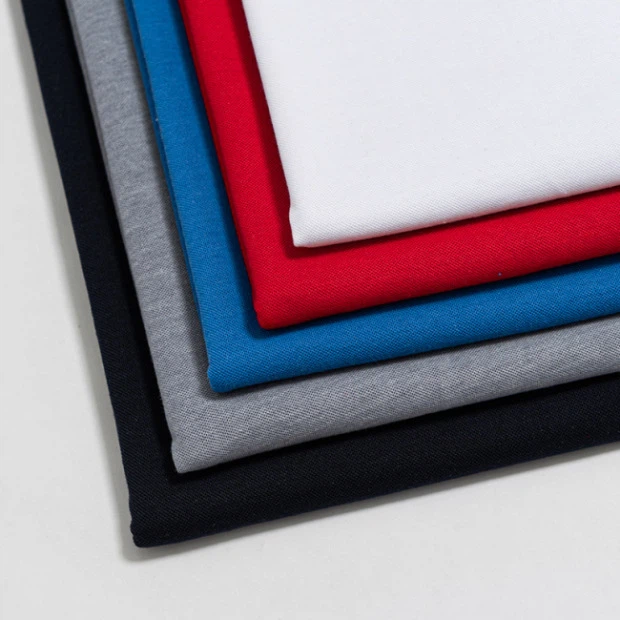
This fabric has many special product features. The color fastness of bead floor cloth is extremely high, whether in daily life or after many times of washing, its color can maintain the stability of color.
Advantages of Pique Cloth
Incredibly Breathable
Pique cloth has a geometric weave texture and nature. The knit pique also features waffle weaves. These features make it incredibly breathable. It is also comfortable to wear. Pique fabric has less contact with the skin and hence it feels lighter.
Moisture-Wicking Capabilities
Pique cloth wicks away moisture. It absorbs sweat and does not easily deform even after heavy washing. This function helps the wearer stay dry and comfortable during physical activity or in warm weather.
Comfortable
Cotton-mase pique fabric is comfortable. Pique fabric features a gentle touch and a soft and casual appearance. The type of fibers used, the weaving technique, and the fabric weight all have an impact on the comfort of piqué fabric.
Durable
Pique is highly durable. It is because of its unique weaving technique. Piqué fabrics range from medium to heavyweight, depending on the type. The extra weight and thickness contribute to their durability.
Types of Pique Cloth
Cotton pique
One of the most common types of pique fabric is cotton pique. Made from 100% cotton fibers, it offers exceptional breathability and comfort. Cotton pique is often utilized in creating polo shirts, t-shirts, dresses, and sportswear due to its ability to wick away moisture while maintaining a structured appearance.
Polyester pique fabric
Another popular variation is polyester pique fabric. This synthetic fiber blend combines polyester's durability with Pique's textured look. Polyester pique fabrics excel in athletic wear applications where moisture management and quick-drying properties are essential.
Silk or silk-blend
Silk or silk-blend piques provide elegance and sophistication for those seeking a more luxurious option. Silk's natural sheen enhances the textured pattern created by the weaving technique commonly associated with piques. These fabrics lend themselves well to formalwear such as evening gowns or high-end blouses.
Wool-based piques
Wool-based variants offer warmth along with their distinctive texture. Wool piques possess excellent insulating properties and breathability when woven into patterns ideal for cold-weather clothing like coats or jackets.
Cotton-polyester blends
Additionally, blends incorporating different fiber types can be found among various kinds of piques-such as cotton-polyester blends merging breathable comfort with enhanced wrinkle resistance-or even adding elastane for increased stretchability, perfect for activewear purposes.
Application of Pique Cloth



Tennis shirts
Do you have a polo shirt that is your all-time favorite? Most likely, the fabric is pique. This cloth is typically used by manufacturers because of its stain resistance and longevity. Moreover, it is quite absorbent, which makes it perfect for sportswear like polo tops.
Bedding Sets
Pique textiles are frequently used to make bed linens, including duvet covers, pillows, and sheets. The material is comfortable and gives support for a restful night's sleep because it is neither too hefty nor too soft.
Room Decor
Finding fashionable and superior table runners can be challenging. Most of them are not sturdy, and to make matters worse, they discolor readily. You can choose to use a pique table runner to solve this problem. It is stain-resistant and easy to clean, even in the event of unforeseen stains.
Tees for Golf
Pique fabric golf shirts are aesthetically pleasing, breathable, and comfy. Its soft texture and mild weight ensure that it won't restrict your movements. Golfers benefit from the fabric's inherent moisture-wicking properties, which keep them comfortable and dry. And because the fabric resists wrinkles, you can stop ironing it after you've finished playing golf.
Furniture
Are you having trouble finding the ideal upholstery for your house? Every one of them has a unique texture that adds sophistication and elegance to any piece of furniture.
Like the fabric itself, the history of pique cloth stretches back many centuries into a rich tapestry. Its origins lie in eighteenth-century Europe's heritage of weaving techniques. At first, it was meant to recreate existing quilting methods used on period clothing during those times. What resulted was a woven cloth imitating sewn quilt patterns in appearance.
France is often cited as the birthplace of Pique. This is because of its reputation for forward-thinking fashion and innovative textiles. French weavers were able to create visually attractive materials. They also had practical features that were well-suited for attire. This was due to their high artistry in weaving this type of cloth. In other countries, Pique soon migrated from France and became a popular fabric.
Pique cloth became popular in the 19th century. This happened mostly in England, where it became the top material for summer clothes. This was because it was highly ventilated. This made it a perfect choice for warmer seasons as the fabric retains its shape even when air flows through it. The story of Pique shows human creativity in textiles. The cloth began by trying to mimic another art form. But, it eventually found its own niche in the world of fabrics.
There are a few main ways to manufacture pique cloth that lead to different results. In general, two superimposed warp threads are used, which are clamped lengthwise in a loom. Each thread is given its own separate "weft" (wefts are the threads that lie across the warp threads and are clamped in parallel). The connection of these two warps is created by weaving individual threads of each warp into the other. This gives the fabric an upper side, also known as the right side, for which finer and twice as much yarn per centimeter is used, and a lower side, also known as the "lining".
Pique cloth is considered to be one of the denser textile fabrics due to the manufacturing process, while its quality can be distinguished by three different manufacturing methods:
The "real" pique cloth is made with 2 warps and 2 weft threads.
The semi-pique cloth is made with 2 warps and 1 weft thread.
The so-called "fake" pique cloth, on the other hand, is created only with 1 warp and 1 weft thread.
Properties and Characteristics of Pique Cloth
Pique fabric's appearance might not be what sets it apart from other textiles; rather, it's its physical properties. This material' s distinctive feature is its raised weave. It creates a geometrical pattern. Its dimensions not only add adorability to the fabric but also make up its structural merits.
Among its many characteristics, one can note breathability as one of them that makes this kind of fabric stand out from others. This cloth has elevated portions on itself which allow air to pass through quite freely, thus being good in hot climates or for casual wear time. That is why you will find pique commonly used in polo shirts plus tennis wear because it keeps the wearer calm even when playing tough games.
Another great property is durability. That' s why people choose this material over others. You know how important clothes' strength is. The texture of the cloth gives it a certain stiffness that helps in maintaining its shape and preventing creasing. It' s a sturdy option for things that are used frequently and have to be washed consistently or worn often. Hence, it' s a reasonable choice for both clothing and textiles at home that must last long.
What is Pique Cloth made of?
Cotton is the general material to make pique fabric. Because of this cotton, the fabric gains softness with optimum breathability. For warm climates, it is an ideal deal to make the fabric an excellent choice. Although cotton is the material in this fabric, the fabric can be both tough and durable. The level of strength makes the fabric suitable for sportswear. The pique fabric can be cotton, mixed cotton, or chemical fiber. Pique cloth is another name of pique cotton. It is made of circular woven form to give the surface a resemblance of honeycomb.
What Makes Pique Cloth Stand Out?
To add to its waffle-knit structure and robust quality, pique is also an easy-care, breathable and absorbent fabric with a comfortable feel. This makes the material ideal for polo shirts but also useful in the home. For instance, many home textiles such as tea towels, bed linen and bathrobes are made from the waffle-knit fabric because of its absorbing qualities and its durability.
The double weave structure, by the way, comes from the finer upper yarns having twice as many threads as the lower yarns, thus creating raised and recessed areas in the material. This allows different patterns to be woven as a grainy, geometric structure, such as corded-, waffle-knit-, honeycomb- and birdseye-piques.
While pique used to be available only in white, the fabric can now be found in many colours and designs: plain, printed or woven in multiple colors. Usually, pique is made from cotton but it can also contain some polyester and was once even woven from pure silk. However, if you are concerned about sustainability, pique should be made from 100% organic cotton. This means the fabric will be recyclable and won't leak microplastics during washing.

How to Sew Pique Cloth?
The layers of pique cloth mean you should treat it like a ribbed or similarly textured fabric. It is a medium-weight fabric, which means it is stiffer than other cotton fabrics. You can use a standard sewing machine foot and standard 80/12 sewing machine needles. However, there are some things to look out for when you sew with pique knit.
The same texture that makes the fabric, so wearable and durable also makes it susceptible to puckering and creeping as you sew it. The larger the texture is, the more likely it is to catch on your needle or presser foot.
It is not as stretchy as other knits, but it does stretch enough that it's possible to accidentally pucker your seams. Be careful not to stretch it when you pin pieces together or feed it through your machine. It's less likely that you'll pucker it when you hand-sew, but not impossible.
The texture of pique cloth also means that pins might show visible damage. Inserting the pin into the fabric can shift the individual threads in the right side texture, and you may not be able to move them back into place easily. Try not to pin more than necessary.
Pique cloth is also weaker than less textured fabrics. Be wary of snags as they could quickly become tears. Cotton pique knit is more durable than silk pique cloth. Regardless of fiber content, it's important to hem pique fabric well or surge the edges so it doesn't unravel or tear at a weak point.
When you pick thread for your pique knit sewing project, try to match the fabric's durability. Strong cotton thread is a good choice, especially for 100% cotton pique fabric. Silk thread is worth the splurge if you're sewing with silk pique fabric to match the fabric's sheen.

Pique Cloth vs Jersey Polo
Both fabrics are usually cotton or cotton blends. Jersey fabric, however, is single knit. This makes it thinner and more flexible than the double knit pique fabric. That difference is also where texture comes in.
Single knit fabrics, such as jersey knit, are much smoother. Jersey knit has a smooth face on both sides of the fabric and a high stretch. The double knit texture of the pique knit makes it stiffer and makes the characteristic waffle pattern.
Jersey fabric is more common in bedsheets and t-shirts than pique knit, which is generally a more expensive. Similarly, while white tie dress shirts are made in pique knit, you wouldn't see a jersey knit dress shirt.
As for polo shirts, the two fabrics offer different benefits. Jersey will stretch more and is wrinkle-resistant, but pique knit hides sweat better and will hold up well to a lot of movement. For outdoor events or active situations, pique fabric will stay nicer longer.

Why Pique Cloth Is Your Perfect Summer Choice
Pique cloth, often used in polo shirts, button up shirts and other casual wear, is a unique type of fabric known for its raised parallel cords or fine ribbing texture. This texture is not just for aesthetics; it also offers functional benefits that make it an excellent choice for summer, or whenever it feels warm enough.
The breathability of the pique cloth is one of its key benefits. The unusual weave of the fabric provides for consistent air circulation, keeping you cool throughout the hot summer days. This is especially beneficial for those who tend to sweat a bit more, since the fabric's structure helps dissipate moisture, making perspiration less noticeable on your clothing.
Another benefit of pique cloth for summer is its durability. Despite its lightweight and breathable nature, pique cloth is extremely durable. This is due to the double knit technique used in its production, which incorporates two layers of pique cotton together. This means your summer outfits can withstand the rigors of outdoor activities and frequent washing, all while maintaining their shape and quality.
Pique cloth is also versatile, making it suitable for both formal and casual summer wear. Whether you're heading to a summer barbecue, a golf game, or a casual office meeting, a pique polo shirt can offer a comfortable yet stylish solution.
In terms of care, pique cloth is relatively easy to maintain. It can be machine washed in cold water with similar colors and dried on the lowest possible setting. If necessary, it can be ironed to smooth out any wrinkles.
The pique cloth is indeed good for summer. Its breathability, durability, and the overall versatile use, make it a go-to choice for summer outfits.
How Should Pique Cloth Be Cleaned and Taken Care Of?
Pre-emptive Stains
You ought to treat any stains on your clothing before washing it. The soiled area should be gently rubbed with a soft cloth after a light detergent application. As a result, the stain will become more pliable and simpler to remove while washing.
Select the Appropriate Cleaning Method
Depending on the type of pique cloth, you can wash it by hand or in a machine. For the best outcomes, we advise cleaning your hands. If you choose to do your own laundry, use a gentle detergent, such as Mrs. Meyer's. The water needs to be lukewarm. Conversely, people who depend on laundry machines for their cleaning must program them to run on a gentle or regular cycle.
Steer clear of bleach
Pique textiles are especially susceptible to harm from bleach, so avoid using it on them. If whitening the colors is your main concern, though, you could use a light oxygen bleach solution.
Dry With Care
Make sure your pique t-shirt is completely dry after washing. The best method is to lay the clothing flat and allow it to air dry. When using a machine drier, make sure the heat is set to the lowest possible level and take the item out as soon as it dries.
Iron Cautiously
Contrary to popular belief, pique cloth is not iron-friendly. This is entirely false because ironing with a little caution won't damage the fabric. The following is the advice you should heed: Because this fabric is thin, iron the item at a medium temperature and press it in reverse. By doing this, you can avoid causing any damage to the pique cloth and maintain its crisp, wrinkle-free appearance.
Our Certifications

Our Factory
Huzhou Sanxin Import and Export Co., Ltd., established in 2014, is an export-focused company initiated by Huzhou Sanjin Specal Textile Co., Ltd., a strong and specialized interlining production factory founded in 2002. Located in Changxing County near Taihu Lake, our company specializes in various garment fusible interlinings, offering products such as cotton and polyester interlinings, woven interlinings, collar interlinings, spray lining (low elasticity), and silk lining. We are recognized with Zhejiang Province famous trademarks and products.

Ultimate FAQ Guide to Pique Cloth
Q: What are the characteristics of pique fabric?
Q: How do you care for pique fabric?
Q: Is pique fabric good for summer?
Q: What is pique fabric used for?
Q: What is the difference between cotton and pique?
Q: Does pique fabric shrink?
Q: Is pique cotton breathable?
Q: What is the difference between pique and jacquard?
Q: Is pique a cotton or cotton?
Q: What is the difference between pique and polo?
Q: Which cloth does not need ironing?
Q: What is the difference between pique and soft jersey?
Q: What is pique mesh fabric?
Q: Is pique cotton good?
Q: Is pique fabric good for summer?
Q: What is cotton pique?
Q: What are the features of pique fabric?
Q: What does pique mean in clothing?
Q: Is pique cotton breathable?
Q: What is the difference between pique and soft jersey?
Hot Tags: pique cloth, China pique cloth manufacturers, suppliers, factory, textile interlining, stretchy lining for suit, flexible lining fabric, stretch lining for children s clothing, blue interlining, flexible lining textile