

In the world of textiles, various denier ratings play a crucial role in determining the suitability of fabrics for different applications. As a supplier of 30D, 50D, 75D, and 100D fabrics, I often receive inquiries about the potential uses of these materials. One question that has been coming up more frequently is whether 100D can be used for making pet beds. In this blog post, I'll delve into the characteristics of 100D fabric and explore its viability for pet bed production.
Understanding Denier and 100D Fabric
Denier is a unit of measurement used to express the fineness of fibers in textiles. A lower denier number indicates a finer and lighter fiber, while a higher denier number represents a coarser and heavier fiber. 100D fabric is relatively thick and durable compared to 30D and 50D fabrics. It is made up of fibers with a denier rating of 100, which gives it certain properties that can be advantageous or disadvantageous depending on the intended use.
The thickness and durability of 100D fabric make it resistant to wear and tear. This is an important factor when considering materials for pet beds, as pets can be rough on their bedding. They may scratch, chew, or dig at the bed, and a fabric that can withstand this kind of abuse will last longer. Additionally, 100D fabric is often more stable and less likely to stretch or deform over time, which helps maintain the shape of the pet bed.
Advantages of Using 100D for Pet Beds
Durability
As mentioned earlier, the durability of 100D fabric is a major advantage for pet beds. Pets, especially dogs and cats with sharp claws, can easily damage softer fabrics. A 100D fabric can withstand the scratching and clawing that is common among pets, ensuring that the bed remains in good condition for a longer period. This is particularly important for larger pets or those with a more active nature.
Resistance to Soiling
100D fabric can also offer better resistance to soiling compared to lighter denier fabrics. Pets may bring dirt, mud, or other debris onto their beds, and a fabric that is more tightly woven and less porous is less likely to absorb these substances. This makes it easier to clean the pet bed, as surface dirt can often be wiped or vacuumed away. In some cases, 100D fabric may even be machine-washable, which is a convenient feature for pet owners.
Insulation
Another benefit of using 100D fabric for pet beds is its insulation properties. The thicker fibers in 100D fabric can help trap heat, providing a warm and cozy environment for pets. This is especially beneficial during colder months or for pets that are sensitive to the cold. A well-insulated pet bed can help keep your furry friend comfortable and healthy.
Potential Drawbacks of Using 100D for Pet Beds
Weight and Bulk
One of the potential drawbacks of 100D fabric is its weight and bulk. Compared to lighter denier fabrics, 100D fabric is heavier and may make the pet bed more difficult to move around. This can be a problem if you need to frequently relocate the pet bed or if you have limited space. Additionally, the bulkiness of the fabric may make the bed less comfortable for smaller pets, as they may prefer a more lightweight and flexible bedding material.
Breathability
While 100D fabric offers good insulation, it may not be as breathable as lighter denier fabrics. Pets can generate a lot of heat, especially when they are sleeping, and a bed that doesn't allow for proper air circulation can make them feel hot and uncomfortable. This can be a concern, particularly in warmer climates or for pets with thick fur. If breathability is a major concern, you may need to consider using a 100D fabric in combination with a more breathable material, such as a mesh liner.
Other Considerations for Pet Bed Fabric
When choosing a fabric for a pet bed, it's important to consider not only the denier but also other factors such as the type of fiber, the finish of the fabric, and the overall construction of the bed. For example, some fabrics may be treated with special coatings to make them more resistant to stains or odors. Others may be made from natural fibers, which can be more environmentally friendly and hypoallergenic.
In addition to the fabric itself, the design of the pet bed also plays a role in its comfort and functionality. A well-designed bed should provide adequate support for the pet's body, as well as enough space for them to move around. It should also be easy to clean and maintain.
Our Range of Fabrics and Their Suitability
As a supplier of 30D, 50D, 75D, and 100D fabrics, we understand that different denier ratings have different applications. 30D and 50D fabrics are generally lighter and more breathable, making them suitable for pets that prefer a cooler and more flexible bedding. They can also be used in combination with other materials to add a soft and comfortable layer to the pet bed.
75D fabric offers a balance between durability and weight. It is more durable than 30D and 50D fabrics but not as heavy as 100D fabric. This makes it a good choice for medium-sized pets or those that are moderately active.

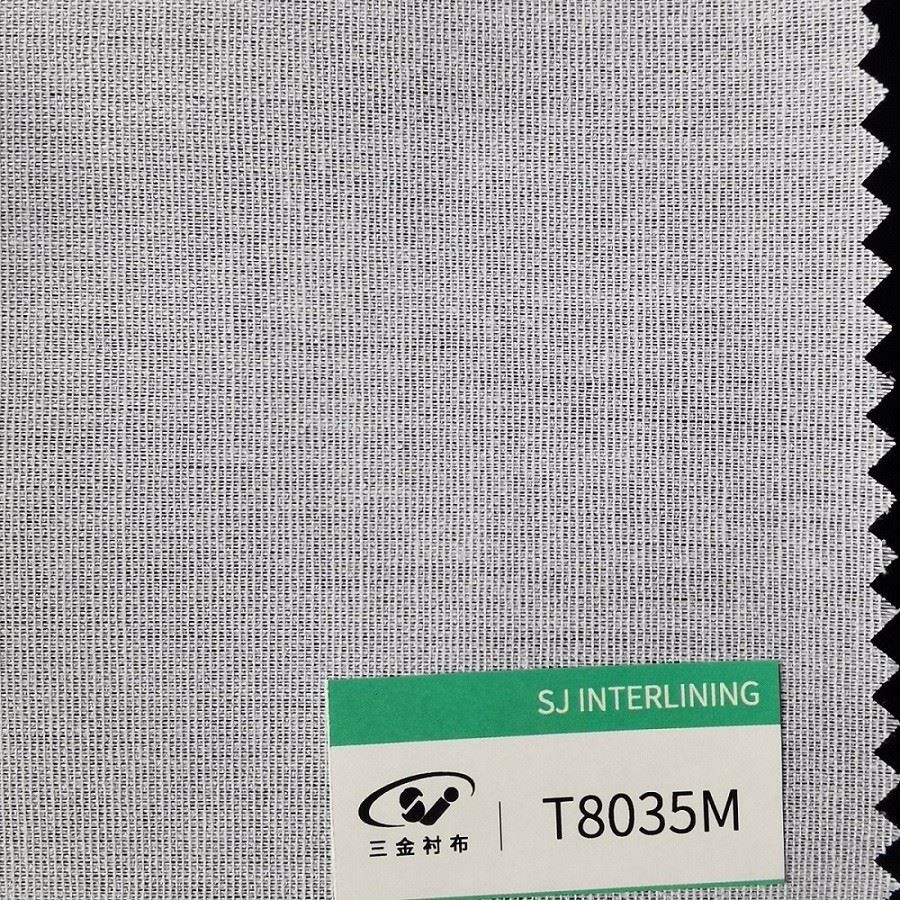
100D fabric, as discussed earlier, is ideal for larger or more active pets that require a durable and long-lasting bed. It can also be used in combination with other fabrics to create a multi-layered pet bed that offers both durability and comfort.
Related Products and Applications
In addition to pet beds, our fabrics have a wide range of other applications. For example, our fabrics can be used for Interlining Fusible, which is commonly used in the garment industry to add structure and stability to clothing. Our Suit Lining Fabric is another popular product, providing a smooth and comfortable lining for suits and other formal wear. We also offer Fabrics For Clothing Lining, which can be used in a variety of clothing items to enhance their appearance and functionality.
Conclusion
In conclusion, 100D fabric can be a suitable choice for making pet beds, especially for larger or more active pets. Its durability, resistance to soiling, and insulation properties make it a practical option. However, it's important to consider the potential drawbacks, such as weight and breathability, and to choose the fabric that best suits the needs of your pet.
If you are interested in purchasing our 30D, 50D, 75D, or 100D fabrics for pet bed production or other applications, please feel free to contact us for more information. We are happy to assist you in finding the right fabric for your specific requirements and can provide samples for you to evaluate.
References
- Textile Industry Handbook: A Comprehensive Guide to Fabric Properties and Applications.
- Pet Care and Comfort: Best Practices for Creating Ideal Pet Environments.