

Hey there! As a collar lining supplier, I often get asked some interesting questions about the uses of our products. One question that's popped up a few times lately is, "Can collar lining be used in thermal shirts?" Well, let's dive right in and explore this topic together.
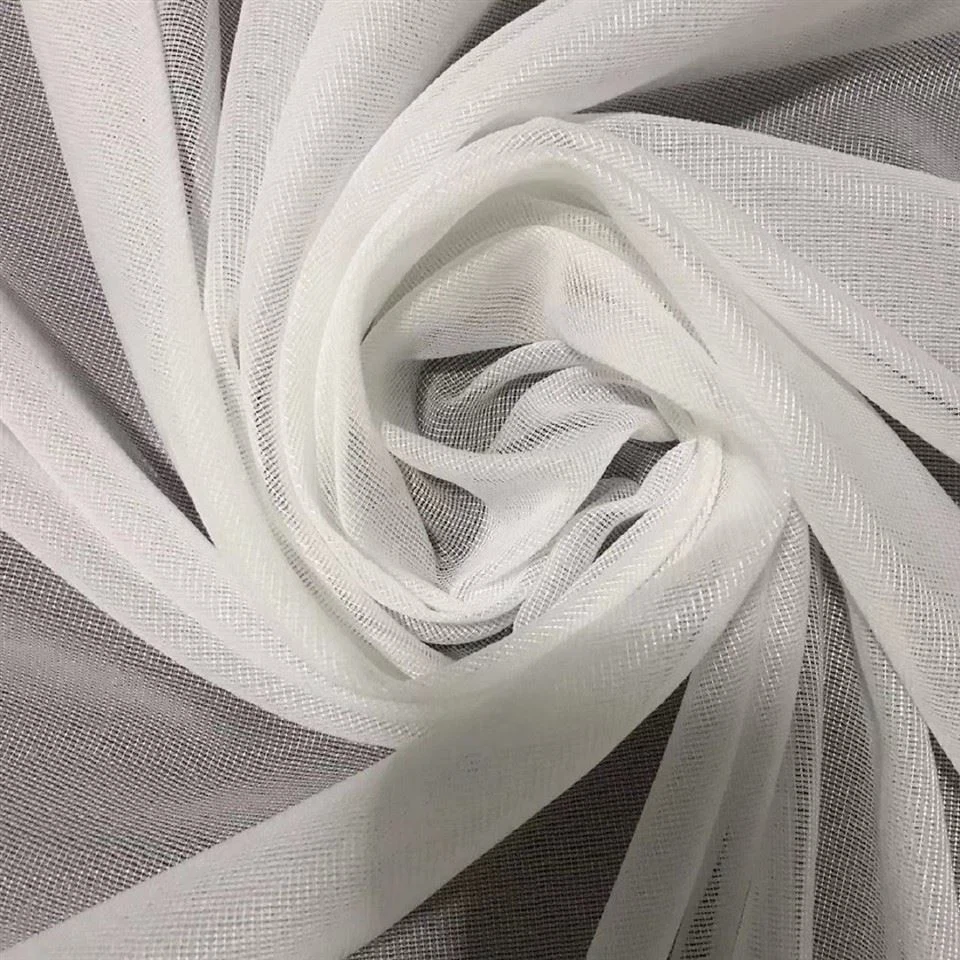
First off, let's talk a bit about what collar lining actually is. Collar lining is typically a thin layer of fabric that's used to give collars structure and shape. It's often made from materials like cotton, polyester, or a blend of both. These materials are chosen for their durability, flexibility, and ability to hold their shape over time.
Now, when it comes to thermal shirts, the main goal is to keep you warm. Thermal shirts are usually made from materials that have good insulating properties, like wool, fleece, or synthetic fibers designed to trap heat. So, the big question is, can collar lining play a role in this?
Potential Benefits of Using Collar Lining in Thermal Shirts
One potential benefit of using collar lining in thermal shirts is added structure. Collars on thermal shirts can sometimes lose their shape, especially if they're made from softer, more flexible materials. By adding a layer of collar lining, you can help the collar maintain its shape, which not only looks better but can also provide a more comfortable fit around your neck.
Another benefit is durability. Thermal shirts are often worn in more rugged conditions, whether you're out hiking, skiing, or just going about your daily activities in cold weather. Collar lining can add an extra layer of protection to the collar, preventing it from wearing out as quickly. This can extend the lifespan of the thermal shirt, making it a more cost - effective investment in the long run.
Compatibility of Materials
When considering using collar lining in thermal shirts, it's important to think about the compatibility of materials. As I mentioned earlier, thermal shirts are usually made from insulating materials. You want to choose a collar lining that works well with these materials. For example, if your thermal shirt is made from wool, a cotton or cotton - blend collar lining could be a good choice. Cotton is breathable and can help wick away moisture, which is important for comfort.
On the other hand, if your thermal shirt is made from a synthetic insulating material, a polyester - based collar lining might be more suitable. Polyester is lightweight, durable, and can also add some stretch to the collar, ensuring a better fit.
Now, let's take a look at some other types of interlining materials that you might be interested in. You can check out Suit Lining if you're looking for something more formal. Suit lining is often used in tailored suits to add a finishing touch and improve the overall feel of the garment.
If you're into more traditional materials, Horse Hair Interlining is a great option. Horse hair interlining has been used in high - end tailoring for centuries. It provides excellent structure and can give your garments a classic, elegant look.
And for those who prefer a more understated look, Black Lining Fabric is a popular choice. Black lining fabric is versatile and can be used in a variety of garments, from jackets to dresses.

Challenges of Using Collar Lining in Thermal Shirts
Of course, there are also some challenges to using collar lining in thermal shirts. One of the main challenges is maintaining breathability. Thermal shirts need to be breathable to prevent sweating and discomfort. If the collar lining is too thick or made from a non - breathable material, it could make the collar area feel stuffy.
Another challenge is cost. Adding collar lining to thermal shirts will increase the production cost. This might be a concern for manufacturers who are trying to keep their prices competitive. However, if the added benefits of structure and durability are significant, it could still be a worthwhile investment.
Real - World Applications
In the real world, there are already some examples of collar lining being used in thermal shirts. Some high - end outdoor brands are starting to experiment with different types of collar linings to improve the functionality and appearance of their thermal shirts. These shirts are often priced a bit higher, but customers are willing to pay for the added quality.
How to Choose the Right Collar Lining for Thermal Shirts
If you're a manufacturer looking to use collar lining in your thermal shirts, here are a few tips on how to choose the right one.
First, consider the thickness of the collar lining. You want it to be thick enough to provide structure but not so thick that it affects the breathability of the shirt. Look for collar linings that are labeled as "lightweight" or "breathable."
Second, think about the stretch. Thermal shirts often need to have some stretch to provide a comfortable fit. Choose a collar lining that has a bit of stretch but still maintains its shape.
Finally, don't forget about the color. You want the collar lining to match the overall aesthetic of the thermal shirt. If you're using a bright - colored thermal shirt, a white or light - colored collar lining might be a good choice. For darker shirts, you can go with a black or dark - colored collar lining.
Conclusion
So, can collar lining be used in thermal shirts? The answer is yes! There are definitely some benefits to using collar lining in thermal shirts, such as added structure and durability. However, there are also some challenges to consider, like maintaining breathability and managing cost.
If you're a manufacturer interested in exploring the use of collar lining in your thermal shirts, or if you're just looking for high - quality collar lining for your own projects, I'd love to talk to you. Reach out to me, and we can discuss your specific needs and find the perfect collar lining solution for you.
Remember, making the right choice of collar lining can really take your thermal shirts to the next level in terms of quality and functionality. So, don't hesitate to get in touch and start the conversation.
References
- Textile Research Institute Reports on Collar and Thermal Shirt Materials
- Interviews with Industry Experts on Interlining and Thermal Garments
- Trade Publications on Apparel Manufacturing and Design