

Silk lining, renowned for its luxurious feel and elegant appearance, has long been a staple in high - end clothing. As a leading silk lining supplier, I often receive inquiries about its potential use in upholstery. In this blog, we'll explore whether silk lining can indeed be used in upholstery, delving into its advantages, drawbacks, and practical considerations.
Advantages of Using Silk Lining in Upholstery
Aesthetic Appeal
Silk has an unparalleled sheen and luster that can instantly elevate the look of any piece of furniture. Its smooth surface reflects light in a way that creates a rich, glamorous effect. Whether it's a classic armchair or a modern sofa, silk lining can add a touch of opulence and sophistication. For example, in a formal living room setting, a silk - lined chaise lounge can become the focal point, drawing the eye with its soft glow and sumptuous texture.
Softness and Comfort
One of the most notable characteristics of silk is its exceptional softness. When used in upholstery, it provides a plush and comfortable seating experience. Unlike some rougher fabrics, silk doesn't irritate the skin, making it ideal for furniture that people will be sitting on for extended periods. This is particularly beneficial in bedrooms or relaxation areas where comfort is a top priority.
Breathability
Silk is a natural fiber that is highly breathable. It allows air to circulate, which helps to regulate temperature and prevent the build - up of heat and moisture. In upholstery, this means that the furniture will remain cool and comfortable, even during warm weather. This is in contrast to some synthetic materials that can trap heat and make the seating area feel stuffy.
Durability (to an extent)
While silk is not as durable as some other upholstery fabrics, such as leather or heavy - duty cotton, it can still withstand normal use if properly cared for. High - quality silk lining can last for several years, especially in low - traffic areas. It has good tensile strength, which means it can resist tearing and stretching to a certain degree.
Drawbacks of Using Silk Lining in Upholstery
Cost
Silk is one of the most expensive natural fibers, and using it for upholstery can significantly increase the cost of the furniture. The production process of silk is labor - intensive, from the cultivation of silkworms to the weaving of the fabric. This cost is then passed on to the consumer. As a result, silk - lined upholstery is often considered a luxury item and may not be within the budget of many people.
Stain and Damage Susceptibility
Silk is prone to staining and damage. It can be easily marked by spills, and certain substances, such as alcohol or oil, can leave permanent stains. Additionally, sharp objects can snag or tear the delicate silk fibers. This means that silk - lined upholstery requires careful handling and regular maintenance to keep it looking its best.
Cleaning Challenges
Cleaning silk lining can be a complex and delicate process. Unlike some more robust upholstery fabrics that can be easily vacuumed or spot - cleaned, silk often requires professional cleaning. Harsh chemicals or abrasive cleaning methods can damage the silk fibers, so it's important to follow specific cleaning instructions. This can add to the overall cost and hassle of maintaining silk - lined furniture.
Practical Considerations
Location and Usage
Before deciding to use silk lining in upholstery, it's important to consider the location and intended usage of the furniture. In high - traffic areas, such as a family room or a commercial space, silk lining may not be the best choice due to its susceptibility to damage. However, in a formal dining room, a bedroom, or a private study where the furniture will be used less frequently, silk lining can be a great option.

Complementary Fabrics
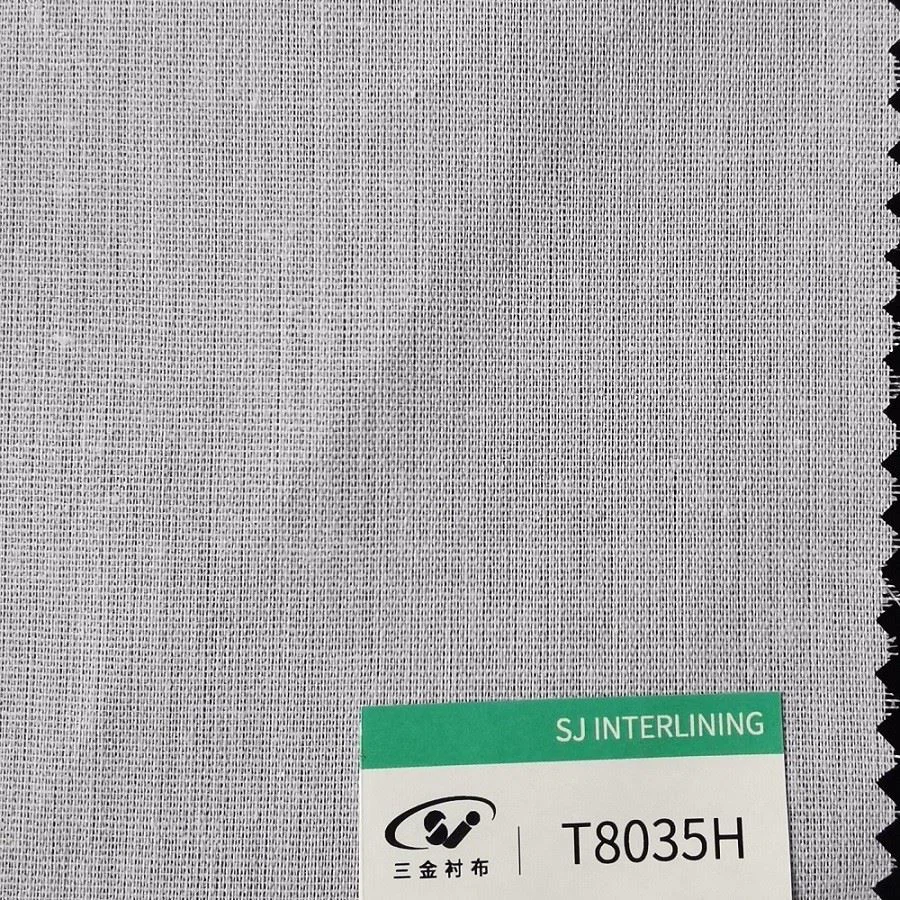
To mitigate some of the drawbacks of silk lining, it can be used in combination with other fabrics. For example, the main body of the upholstery can be made from a more durable fabric, such as Cotton Lining Fabric, while the silk lining can be used for accents, such as the seat cushions or the backrest. This way, you can enjoy the aesthetic benefits of silk without sacrificing too much durability.
Maintenance Plan
A proper maintenance plan is essential for silk - lined upholstery. This includes regular vacuuming to remove dust and debris, as well as prompt attention to spills. It's also a good idea to have the furniture professionally cleaned on a regular basis. By following a strict maintenance routine, you can extend the lifespan of the silk lining and keep it looking beautiful.
Comparison with Other Lining Fabrics
Acrylic Lining Fabric
Acrylic lining fabric is a synthetic alternative to silk. It is much more affordable and easier to clean than silk. It is also resistant to stains and fading, making it a good choice for high - traffic areas. However, it lacks the natural beauty and softness of silk. Acrylic fabric can feel less breathable and may not have the same luxurious look and feel.
Fabrics For Clothing Lining
There are various fabrics used for clothing lining, such as polyester, rayon, and cotton. While some of these fabrics can be used in upholstery, they each have their own pros and cons. Polyester is durable and wrinkle - resistant but may not be as breathable. Rayon has a soft feel but can shrink and lose its shape. Cotton is breathable and comfortable but may not be as luxurious as silk.
Conclusion
In conclusion, silk lining can be used in upholstery, but it comes with both advantages and drawbacks. Its aesthetic appeal, softness, and breathability make it an attractive option for creating luxurious and comfortable furniture. However, its high cost, susceptibility to damage, and cleaning challenges need to be carefully considered. By taking into account the location, usage, and maintenance requirements, you can determine whether silk lining is the right choice for your upholstery needs.
If you're interested in exploring the possibilities of using silk lining in your upholstery projects, I invite you to contact me for more information. As a trusted silk lining supplier, I can provide you with high - quality products and expert advice. Whether you're a furniture manufacturer, an interior designer, or a homeowner looking to add a touch of luxury to your space, I'm here to assist you in making the best decision for your needs.
References
- "The Properties of Silk" - Textile Institute Journal
- "Upholstery Fabric Guide" - Furniture Manufacturer's Association