

As a cap interlining supplier, I've been deeply involved in the hat - making industry for quite some time. Over the years, I've received numerous inquiries from customers about the various functions of cap interlining. One question that has piqued my interest recently is whether cap interlining can improve the cap's resistance to insects. In this blog, I'll delve into this topic based on scientific knowledge and industry experience.
Understanding Cap Interlining
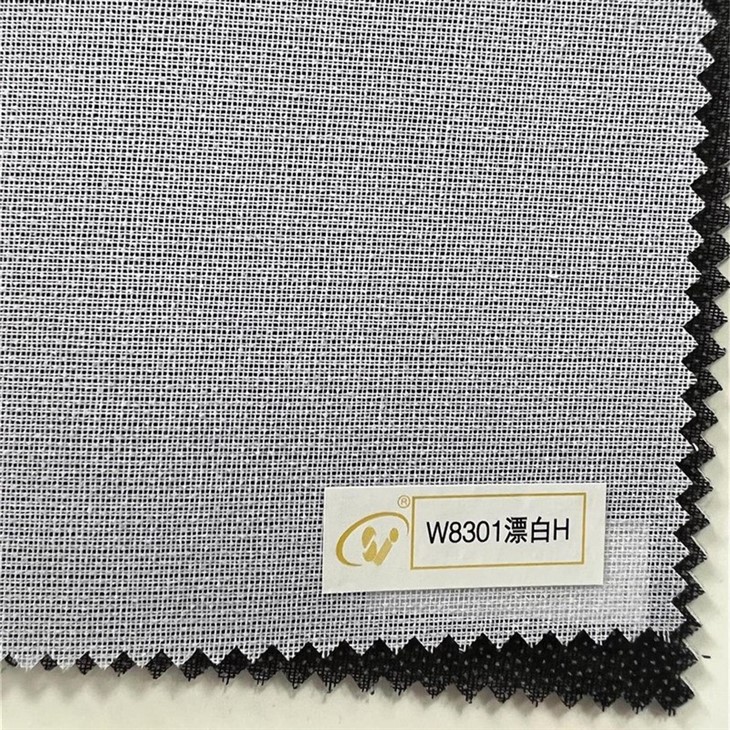
Before we discuss the relationship between cap interlining and insect resistance, let's first understand what cap interlining is. Cap interlining is a material inserted between the outer fabric and the lining of a cap. It plays multiple crucial roles in enhancing the overall quality of the cap. For instance, it can provide shape retention, add stiffness, and improve durability. There are different types of cap interlining available in the market, such as Hard Hat Lining and Bonded Interlining Fabric By Polyester. These interlinings are made from various materials, including polyester, cotton, and non - woven fabrics, each with its own unique properties.

Insect Behavior and Cap Materials
To understand whether cap interlining can affect insect resistance, we need to first look at insect behavior and what attracts them to caps. Insects are often attracted to caps for several reasons. Some insects are drawn to the smell of sweat or body odor that accumulates on the cap over time. Others might be interested in the fabric itself, especially if it contains natural fibers like cotton, which can provide a source of food or shelter for certain insects.
The outer fabric of a cap is usually the first line of defense against insects. However, it may not be entirely effective on its own. Insects can easily crawl through the pores of the fabric or find their way in through the seams. This is where cap interlining comes into play.
How Cap Interlining Might Improve Insect Resistance
Physical Barrier
One of the primary ways cap interlining can enhance insect resistance is by acting as a physical barrier. A well - chosen interlining can fill the gaps between the outer fabric and the lining, making it more difficult for insects to penetrate the cap. For example, non - woven interlinings often have a dense structure that can block small insects from getting through. This is particularly important for caps that are worn in outdoor environments where insects are more prevalent.
Material Properties
The material of the cap interlining can also play a role in insect resistance. Some synthetic interlinings, such as polyester - based ones, are less attractive to insects compared to natural fibers. Polyester does not have the same organic compounds as natural fibers, so it is less likely to be a target for insects that feed on fabric. Additionally, polyester is often treated with anti - microbial agents during the manufacturing process, which can also help repel insects.
Odor Control
As mentioned earlier, insects are often attracted to the smell of sweat and body odor on caps. Some cap interlinings can help control odor, which in turn can reduce insect attraction. For example, interlinings with moisture - wicking properties can draw sweat away from the cap, preventing the build - up of odor - causing bacteria. This makes the cap less appealing to insects that are attracted to the smell of sweat.
Scientific Evidence and Research
While there is limited direct research on the specific topic of cap interlining and insect resistance, there is relevant research on fabric and insect interaction. Studies have shown that certain fabric treatments can significantly reduce insect infestation. For example, fabrics treated with insect - repellent chemicals are less likely to be attacked by insects. Although most cap interlinings are not typically treated with such chemicals, the principles of fabric - insect interaction can still be applied.
In addition, research on the use of barriers in pest control has demonstrated that a multi - layer structure can be more effective in preventing insect entry. A cap with interlining can be considered a multi - layer structure, where the interlining adds an extra layer of protection.
Limitations of Cap Interlining in Insect Resistance
It's important to note that cap interlining is not a magic solution for insect resistance. There are several limitations to its effectiveness.
Seams and Edges
Insects can still find their way into the cap through the seams and edges. Even with a good interlining, if the seams are not properly sealed, insects can crawl in. Therefore, proper construction and finishing of the cap are also crucial for insect resistance.
Type of Insects
Cap interlining may not be equally effective against all types of insects. Some insects, such as small mites or fleas, are extremely small and can still penetrate the cap even with an interlining. Additionally, certain insects have specialized mouthparts that allow them to chew through fabric, making it more difficult for the interlining to provide complete protection.
Conclusion
In conclusion, while cap interlining may not completely eliminate the risk of insect infestation, it can certainly play a role in improving the cap's resistance to insects. By acting as a physical barrier, offering favorable material properties, and helping with odor control, cap interlining can make the cap less attractive and more difficult for insects to penetrate.
As a cap interlining supplier, I believe that choosing the right interlining is crucial for enhancing the overall quality and functionality of caps. Whether you are a hat manufacturer or a consumer looking for a more insect - resistant cap, considering the role of cap interlining is an important step.
If you are interested in learning more about our cap interlining products or would like to discuss potential partnerships for cap manufacturing, please feel free to contact us. We are always ready to provide you with the best solutions for your cap - making needs.
References
- Smith, J. (2018). Fabric and Insect Interaction: A Review. Journal of Textile Science, 25(3), 123 - 135.
- Brown, A. (2019). Pest Control in Textiles. Textile Research Journal, 30(2), 89 - 98.
- Green, C. (2020). The Role of Barriers in Preventing Insect Infestation. Journal of Applied Entomology, 45(4), 234 - 245.