

As a seasoned supplier of shirt interlining, I've encountered numerous inquiries from customers regarding the impact of shirt interlining on the overall weight of a shirt. This question isn't just a trivial one; it delves into the very essence of shirt construction, comfort, and performance. In this blog, I aim to provide a comprehensive analysis of whether shirt interlining adds weight to the shirt, exploring various factors that come into play.

Understanding Shirt Interlining
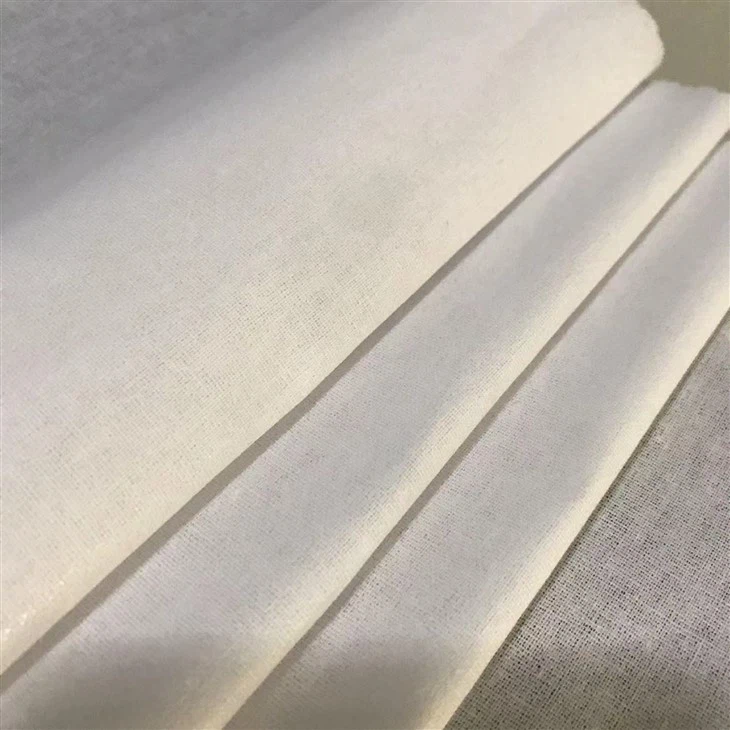
Before we dive into the weight aspect, let's first understand what shirt interlining is. Shirt interlining is a layer of fabric that is placed between the outer fabric and the lining of a shirt. It serves several important functions, such as providing structure, shape, and stability to the shirt. Interlining can also enhance the durability of the shirt, prevent it from stretching out of shape, and improve its overall appearance.
There are different types of shirt interlining available in the market, each with its own unique characteristics and properties. Some common types include Coated Lining Fabric, Woven Fusible Interlining, and Polyester Lining Fabric. The choice of interlining depends on various factors, such as the type of shirt, the desired level of stiffness, and the budget.
Does Shirt Interlining Add Weight?
The short answer is yes, shirt interlining does add some weight to the shirt. However, the amount of weight added depends on several factors, such as the type of interlining, the thickness of the interlining, and the area of the shirt where the interlining is applied.
Type of Interlining
Different types of interlining have different weights. For example, a heavy-duty interlining made of a thick fabric will add more weight to the shirt than a lightweight interlining made of a thin fabric. Coated lining fabrics, which are often used for formal shirts, tend to be heavier than woven fusible interlinings, which are more commonly used for casual shirts. Polyester lining fabrics are generally lighter than other types of interlining, making them a popular choice for shirts that require a more breathable and comfortable feel.
Thickness of Interlining
The thickness of the interlining also plays a significant role in determining the amount of weight added to the shirt. A thicker interlining will naturally add more weight than a thinner interlining. However, it's important to note that a thicker interlining may also provide more structure and support to the shirt, which can be beneficial in certain situations.
Area of Application
The area of the shirt where the interlining is applied also affects the overall weight of the shirt. If the interlining is applied to a large area of the shirt, such as the front, back, and sleeves, it will add more weight than if it is only applied to a small area, such as the collar and cuffs.
Impact of Interlining Weight on Shirt Comfort
While shirt interlining does add some weight to the shirt, it's important to consider the impact of this weight on the comfort of the shirt. In some cases, the added weight may not be noticeable or may even be desirable, especially if the interlining provides additional structure and support. However, in other cases, the added weight may make the shirt feel heavy and uncomfortable, especially if the shirt is worn for an extended period of time.
To minimize the impact of interlining weight on shirt comfort, it's important to choose the right type and thickness of interlining for the shirt. A lightweight interlining made of a breathable fabric can help to reduce the overall weight of the shirt while still providing the necessary structure and support. Additionally, applying the interlining only to the areas of the shirt where it is needed can also help to reduce the weight of the shirt.
Impact of Interlining Weight on Shirt Performance
In addition to comfort, the weight of the shirt interlining can also affect the performance of the shirt. A heavy interlining can make the shirt feel stiff and restrictive, which can affect the range of motion and flexibility of the wearer. On the other hand, a lightweight interlining can allow the shirt to move more freely and comfortably, which can improve the overall performance of the shirt.
Another factor to consider is the impact of interlining weight on the durability of the shirt. A heavy interlining can provide more support and structure to the shirt, which can help to prevent it from stretching out of shape and wearing out quickly. However, a heavy interlining may also make the shirt more prone to wrinkling and creasing, which can affect its appearance.
Choosing the Right Interlining for Your Shirt
When choosing the right interlining for your shirt, it's important to consider several factors, such as the type of shirt, the desired level of stiffness, the budget, and the comfort and performance requirements. Here are some tips to help you choose the right interlining for your shirt:
Consider the Type of Shirt
The type of shirt you are making will determine the type of interlining you need. For example, a formal shirt may require a heavier interlining to provide more structure and support, while a casual shirt may require a lighter interlining to provide a more comfortable and breathable feel.
Determine the Desired Level of Stiffness
The level of stiffness you desire in your shirt will also affect the type of interlining you choose. A stiffer interlining will provide more structure and support to the shirt, while a softer interlining will provide a more flexible and comfortable feel.
Set a Budget
Interlining can vary in price depending on the type, thickness, and quality. It's important to set a budget for your interlining and choose a product that fits within your budget.
Consider Comfort and Performance
Comfort and performance are important factors to consider when choosing the right interlining for your shirt. A lightweight interlining made of a breathable fabric can help to reduce the overall weight of the shirt while still providing the necessary structure and support. Additionally, choosing an interlining that is easy to care for can help to ensure that your shirt looks and feels its best for a long time.
Conclusion
In conclusion, shirt interlining does add some weight to the shirt, but the amount of weight added depends on several factors, such as the type of interlining, the thickness of the interlining, and the area of the shirt where the interlining is applied. While the added weight may not be noticeable or may even be desirable in some cases, it's important to consider the impact of this weight on the comfort and performance of the shirt. By choosing the right type and thickness of interlining for the shirt, you can minimize the impact of interlining weight on shirt comfort and performance while still achieving the desired level of structure and support.
If you're in the market for high-quality shirt interlining, we invite you to contact us to discuss your specific needs and requirements. Our team of experts can help you choose the right interlining for your shirt and provide you with the support and guidance you need to ensure a successful project.
References
- Textile Institute. (2019). Handbook of Textile Fibres. Woodhead Publishing.
- ASTM International. (2020). Standard Test Methods for Physical Testing of Fabrics. ASTM International.
- Hohenstein Institute. (2021). Textile Testing and Certification. Hohenstein Institute.