

As a supplier of hat linings, I've witnessed firsthand the crucial role that hat linings play in protecting the head from the hat's inner surface. In this blog, I'll delve into the various ways hat linings offer this protection, explore the different types of hat linings, and highlight their benefits.
Physical Protection
One of the primary functions of a hat lining is to act as a physical barrier between the head and the hat's inner surface. Many hats, especially those made from materials like straw, felt, or leather, can have rough or abrasive inner surfaces that may cause discomfort, irritation, or even damage to the scalp. A well - crafted hat lining provides a smooth and soft layer that cushions the head.
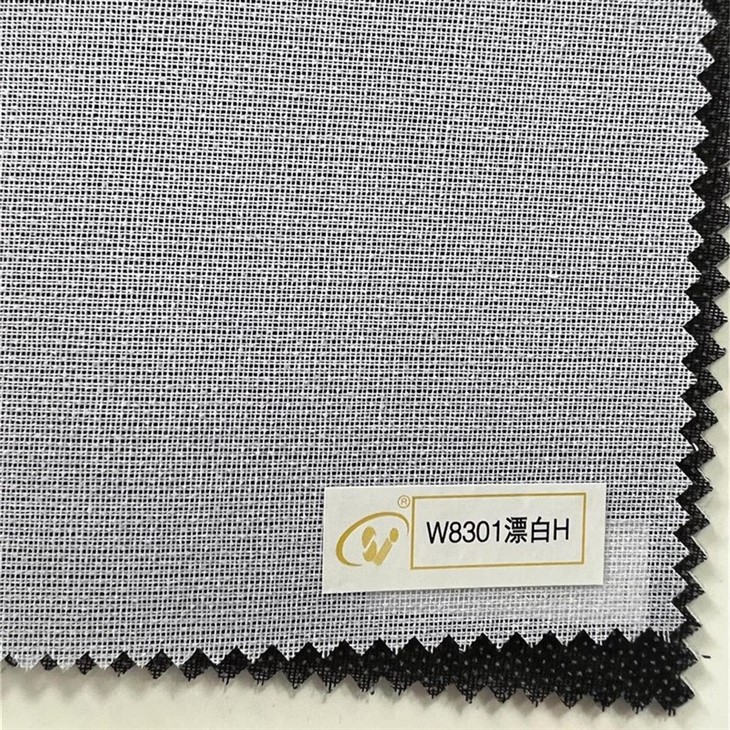
For instance, a Bonded Interlining Fabric By Polyester is a popular choice for hat linings. Polyester is known for its smooth texture, which glides easily over the scalp. It prevents the direct contact of the hat's potentially rough material with the skin, reducing the chances of friction burns, chafing, and hair breakage. The bonded nature of this fabric also gives it a certain degree of durability, ensuring that it maintains its protective qualities over time.
Hard hats, on the other hand, require a different type of lining. Hard Hat Lining is designed to absorb and distribute the impact energy in case of a blow to the head. These linings are often made from materials with high shock - absorbing capabilities, such as foam or a combination of fabric and padding. They help to reduce the force of impact that reaches the head, protecting the wearer from serious injury.
Hygiene and Comfort
Hat linings also contribute to the overall hygiene and comfort of wearing a hat. Our scalps produce sweat and oils, which can accumulate on the hat's inner surface. Without a lining, these substances can seep into the hat material, causing unpleasant odors and making the hat difficult to clean. A hat lining acts as a filter, absorbing the sweat and oils and preventing them from reaching the hat.
Cotton is a common material for hat linings due to its excellent absorbency. It can soak up a significant amount of moisture, keeping the scalp dry and comfortable. Additionally, cotton is a breathable fabric, allowing air to circulate around the head. This ventilation helps to regulate the temperature and prevent the build - up of heat and humidity, which can lead to discomfort and even fungal infections.
Some hat linings are also treated with antimicrobial agents. These agents help to inhibit the growth of bacteria and fungi that thrive in warm, moist environments. By keeping the lining clean and odor - free, the antimicrobial treatment extends the lifespan of the hat and enhances the wearer's comfort.
Customization and Fit
Another aspect of how hat linings protect the head is through customization and fit. A well - fitted hat is essential for both comfort and protection. Hat linings can be adjusted to ensure a proper fit for different head sizes and shapes.
Many hat linings are designed with elastic or adjustable bands. These bands can be tightened or loosened to provide a snug fit without being too tight. A proper fit not only prevents the hat from slipping off but also distributes the weight of the hat evenly across the head. This reduces the pressure points that can cause headaches and discomfort.
In addition, hat linings can be customized in terms of thickness and padding. For hats that are worn for long periods or in harsh conditions, a thicker and more padded lining can provide extra comfort and protection. On the other hand, for lightweight hats or those worn in warm weather, a thinner lining may be more appropriate.
Aesthetic and Design
While the primary focus is on protection, hat linings also play an important role in the aesthetic and design of the hat. A stylish and well - chosen lining can enhance the overall look of the hat. It can add a touch of luxury, color, or pattern that complements the exterior of the hat.

For example, a silk hat lining can give a high - end and sophisticated look to a formal hat. The smooth and lustrous surface of silk not only feels luxurious against the skin but also adds an element of elegance. In contrast, a colorful or patterned lining can add a fun and unique touch to a casual hat.
Conclusion
In conclusion, hat linings are an essential component of any hat. They protect the head from the hat's inner surface in multiple ways, including physical protection, hygiene, comfort, customization, and aesthetic enhancement. As a hat lining supplier, I understand the importance of providing high - quality linings that meet the diverse needs of our customers.
Whether you're a hat manufacturer looking for the perfect lining for your products or an individual in search of a comfortable and protective hat, we have a wide range of hat linings to choose from. Our Bonded Interlining Fabric By Polyester and Hard Hat Lining are just a few examples of the high - quality products we offer.
If you're interested in learning more about our hat linings or would like to discuss a potential purchase, please feel free to reach out to us. We're always happy to assist you in finding the best solution for your hat lining needs.
References
- Textile Science and Technology: Principles of Textile Finishing, by Horst - Peter Reiners
- Handbook of Fiber Science and Technology, Volume 3: High Technology Fibers, by Menachem Lewin and Eli M. Pearce