

Knit interlining, a critical component in the garment industry, plays a significant role in shaping the sewing process. As a seasoned knit interlining supplier, I've witnessed firsthand how this material can both streamline and complicate the sewing journey. In this blog, I'll delve into the various ways knit interlining affects the sewing process, offering insights and practical advice based on my years of experience.
1. Impact on Sewing Ease
One of the primary considerations when using knit interlining is its effect on the ease of sewing. Knit interlinings are known for their flexibility and stretchability, which can either be a blessing or a challenge depending on the application.
When working with lightweight knit interlinings, such as the 30D High Elastic Lining, the sewing process can be relatively smooth. The interlining's stretchability allows it to conform to the curves of the fabric, reducing the likelihood of puckering or distortion. This is particularly beneficial when sewing garments with complex shapes or contours, such as dresses or jackets.
However, the same stretchability can also pose problems if not managed properly. For instance, if the interlining stretches too much during sewing, it can cause the fabric to bunch up or shift, resulting in uneven seams. To mitigate this issue, it's important to use a stable stitching technique, such as a straight stitch or a zigzag stitch with a narrow width. Additionally, using a walking foot or a roller foot can help ensure that the fabric and interlining feed evenly through the sewing machine.
2. Influence on Seam Quality
The quality of the seams is another crucial aspect of the sewing process that is affected by knit interlining. The interlining can impact the seam's strength, appearance, and durability.
In terms of strength, knit interlinings can provide additional support to the seams, making them less likely to come apart. This is especially important for garments that will be subjected to a lot of wear and tear, such as jeans or workwear. By reinforcing the seams with a high-quality knit interlining, you can ensure that the garment maintains its integrity over time.
The appearance of the seams is also influenced by the knit interlining. A smooth and even interlining can help create clean and professional-looking seams, while a rough or uneven interlining can cause the seams to look bumpy or distorted. To achieve a seamless look, it's important to choose an interlining that matches the weight and texture of the fabric. Additionally, using a fine needle and a high-quality thread can help ensure that the stitches are small and invisible.
Durability is another factor to consider when it comes to seam quality. Knit interlinings can help protect the seams from fraying and unraveling, extending the lifespan of the garment. However, if the interlining is not properly attached or if it shrinks or stretches over time, it can cause the seams to weaken and eventually fail. To prevent this, it's important to follow the manufacturer's instructions for attaching the interlining and to choose an interlining that is compatible with the fabric and the sewing process.
3. Effects on Fabric Manipulation
Knit interlining can also have a significant impact on the way the fabric behaves during the sewing process. The interlining can affect the fabric's drape, stiffness, and shape retention.
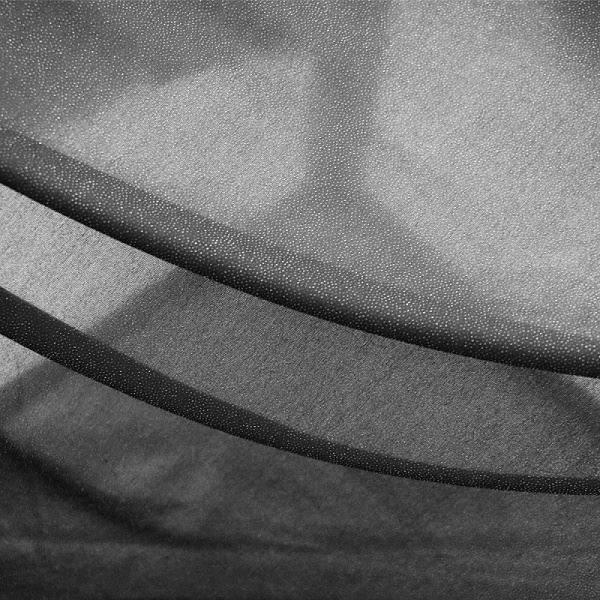

When it comes to drape, knit interlinings can either enhance or detract from the fabric's natural flow. A lightweight and flexible interlining can help the fabric drape more smoothly, creating a more flattering silhouette. On the other hand, a heavy or stiff interlining can make the fabric feel bulky and restrict its movement, resulting in a less desirable drape. To achieve the desired drape, it's important to choose an interlining that complements the fabric's characteristics.
Stiffness is another aspect of fabric manipulation that is influenced by knit interlining. The interlining can add structure and support to the fabric, making it easier to sew and shape. This is particularly useful for garments that require a certain amount of stiffness, such as collars, cuffs, and waistbands. However, if the interlining is too stiff, it can make the fabric feel uncomfortable to wear and limit its flexibility. To strike the right balance, it's important to choose an interlining that provides the appropriate amount of stiffness for the garment.
Shape retention is also an important consideration when using knit interlining. The interlining can help the fabric maintain its shape over time, preventing it from stretching or sagging. This is especially important for garments that are worn frequently or that are subjected to a lot of movement. By using a high-quality knit interlining, you can ensure that the garment retains its shape and looks great for longer.
4. Considerations for Different Sewing Techniques
Different sewing techniques require different approaches when using knit interlining. Here are some considerations for common sewing techniques:
- Machine Sewing: As mentioned earlier, using a stable stitching technique and a suitable foot can help ensure smooth sewing when working with knit interlining. It's also important to adjust the tension settings on your sewing machine to accommodate the interlining. If the tension is too tight, it can cause the fabric to pucker, while if it's too loose, the stitches may not hold properly.
- Hand Sewing: Hand sewing can be a great option for adding a personal touch to your garments or for working with delicate fabrics. When hand sewing with knit interlining, it's important to use a fine needle and a thread that matches the weight of the fabric and interlining. Additionally, using a running stitch or a backstitch can help ensure that the stitches are secure and even.
- Quilting: Quilting involves layering multiple fabrics and batting together to create a warm and cozy blanket or garment. When quilting with knit interlining, it's important to choose an interlining that is compatible with the batting and the fabric. Additionally, using a quilting foot and a long stitch length can help ensure that the layers stay in place and that the stitches are evenly spaced.
5. Compatibility with Different Fabrics
Not all fabrics are compatible with knit interlining. It's important to choose an interlining that is suitable for the type of fabric you're using to ensure the best results.
For example, lightweight and delicate fabrics, such as silk or chiffon, require a lightweight and flexible interlining to avoid adding too much bulk. On the other hand, heavy and sturdy fabrics, such as denim or canvas, can benefit from a heavier and more supportive interlining.
It's also important to consider the fabric's stretchability when choosing an interlining. If the fabric has a lot of stretch, such as a jersey or a spandex blend, it's important to choose an interlining that can stretch with it to prevent puckering or distortion.
6. Cost and Efficiency
Cost and efficiency are important factors to consider when using knit interlining. While high-quality interlinings can be more expensive, they can also provide better results and last longer, which can ultimately save you money in the long run.
In terms of efficiency, using the right interlining can help streamline the sewing process and reduce the amount of time and effort required. For example, if you choose an interlining that is easy to sew and that doesn't require a lot of special handling, you can complete your projects more quickly and with fewer mistakes.
Conclusion
Knit interlining has a profound impact on the sewing process, influencing everything from sewing ease and seam quality to fabric manipulation and compatibility with different fabrics. As a knit interlining supplier, I understand the importance of choosing the right interlining for your project. By considering the factors discussed in this blog, you can make informed decisions and achieve the best results in your sewing endeavors.
If you're interested in learning more about our knit interlining products or have any questions about how to use them, please don't hesitate to contact us. We're here to help you find the perfect interlining for your needs and to provide you with the support and guidance you need to succeed in your sewing projects.
References
- Textile Institute. (2023). Handbook of Textile and Apparel Design. Woodhead Publishing.
- Pugh, J. (2022). The Sewing Book: Techniques for Every Project. DK Publishing.
- Singer. (2021). Sewing Machine Manual. Singer Corporation.