

Hey there! As a collar fusing supplier, I've seen firsthand how crucial it is to ensure the evenness of the fusing layer in collar fusing. It's not just about aesthetics; an uneven fusing layer can lead to a host of problems, from a wrinkled collar to poor durability. In this blog post, I'll share some tips and tricks on how to achieve a perfect, even fusing layer every time.
Understanding the Basics of Collar Fusing
Before we dive into the nitty - gritty of achieving an even fusing layer, let's quickly go over what collar fusing is. Collar fusing is the process of bonding a collar interlining to the collar fabric using heat and pressure. This gives the collar its shape, stiffness, and durability. You can find more about Shirt Collar Interlining to get a better understanding of the materials involved.

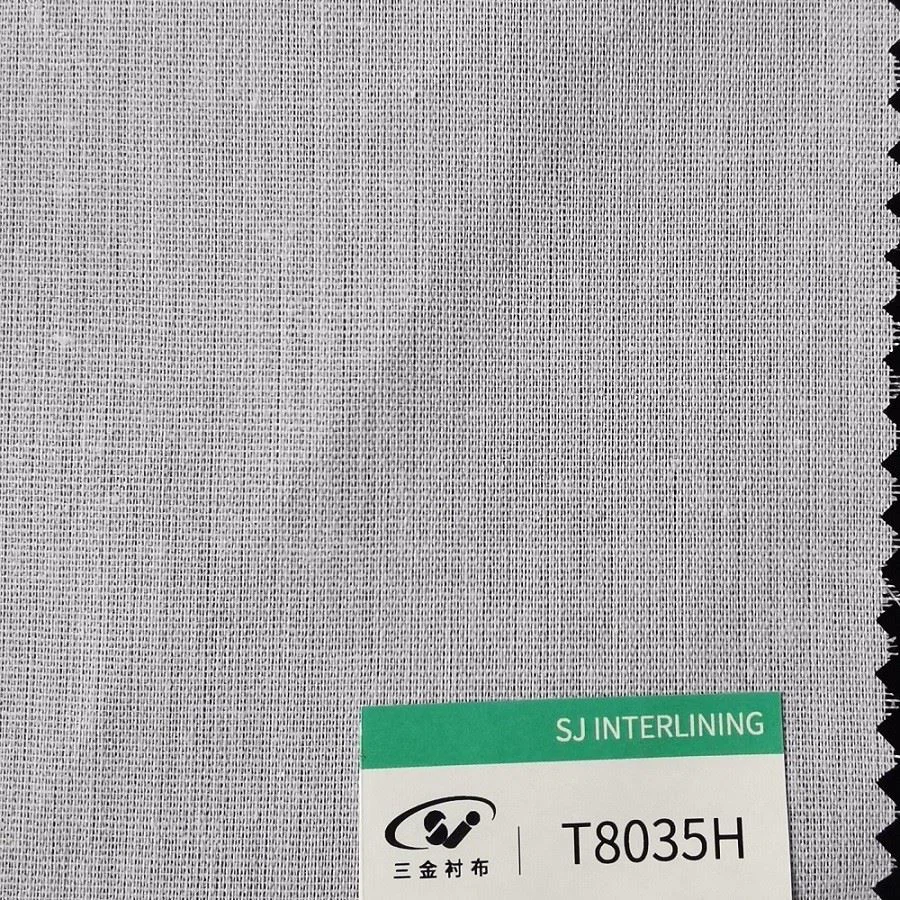
Choosing the Right Interlining
The first step in ensuring an even fusing layer is choosing the right interlining. Not all interlinings are created equal, and picking the wrong one can lead to uneven fusing. Consider the following factors when selecting an interlining:
- Weight and Thickness: The weight and thickness of the interlining should match the fabric of the collar. A heavy interlining on a lightweight fabric can cause uneven fusing and make the collar too stiff. On the other hand, a light interlining on a thick fabric won't provide enough support.
- Adhesive Type: Different interlinings use different types of adhesives. Some are better suited for certain fabrics than others. For example, a thermoplastic adhesive might work well with synthetic fabrics, while a water - soluble adhesive could be a better choice for natural fibers. You can learn more about different types of interlinings and their adhesives on Interfacing And Interlining.
- Compatibility: Ensure that the interlining is compatible with the finishing processes your collars will go through. Some interlinings may not hold up well to washing or dry - cleaning.
Preparing the Materials
Once you've chosen the right interlining, it's time to prepare the materials for fusing.
- Fabric and Interlining Storage: Store your fabrics and interlinings in a dry, cool place. Humidity can affect the adhesive on the interlining and lead to uneven fusing.
- Cutting: Cut both the collar fabric and the interlining to the correct size and shape. Make sure the cuts are precise, as uneven cuts can result in an inconsistent fusing layer.
- Pre - pressing: Press the collar fabric and the interlining separately before fusing. This helps to remove any wrinkles or moisture, ensuring a better bond during fusing.
Setting Up the Fusing Machine
The fusing machine is a critical component in achieving an even fusing layer.
- Temperature: Set the temperature of the fusing machine according to the requirements of the interlining. Too low a temperature won't activate the adhesive fully, leading to a weak bond. Too high a temperature can burn the fabric and damage the interlining.
- Pressure: Adjust the pressure of the fusing machine evenly across the platen. Uneven pressure will cause the fusing layer to be thicker in some areas and thinner in others. Most machines have regulators to adjust the pressure.
- Fusing Time: The fusing time also needs to be set correctly. A short fusing time won't allow the adhesive to bond properly, while an overly long time can cause the fabric to shrink or the interlining to become brittle.
Fusing Process
During the fusing process, there are several things you can do to ensure an even fusing layer.
- Positioning: Place the interlining precisely on the collar fabric. Make sure there are no wrinkles or air bubbles between the two layers. You can use a lint roller or a brush to smooth out any air gaps.
- Moving Slowly: Move the collar through the fusing machine at a consistent speed. A jerky or inconsistent movement can result in an uneven fusing layer. Automatic feeders on some machines can help with this, but if you're doing it manually, be extra careful.
- Multiple Passes: In some cases, making multiple passes through the fusing machine at a lower temperature and pressure can help achieve a more even fusing layer. This is especially useful for thick or heavy fabrics.
Quality Control
After fusing, it's important to conduct quality control to check the evenness of the fusing layer.
- Visual Inspection: Look at the collar from different angles to check for any signs of uneven fusing, such as bubbles, wrinkles, or areas where the interlining hasn't bonded properly.
- Touch Test: Run your fingers over the collar to feel for any thickness variations. If you notice any bumps or uneven areas, the fusing layer may be inconsistent.
- Washing and Drying Test: You can also perform a mock washing and drying test to see how the fusing holds up. If the fusing layer starts to peel or become uneven after washing, there may be an issue with the fusing process.
Troubleshooting Common Problems
Even with the best preparation, you may encounter some problems during collar fusing.
- Bubbles in the Fusing Layer: Bubbles can occur due to air trapped between the fabric and the interlining or an improper fusing temperature. To fix this, make sure to smooth out the layers before fusing and adjust the temperature settings.
- Uneven Adhesion: If the interlining doesn't seem to be sticking evenly, it could be due to a dirty fusing machine platen, incorrect pressure, or a bad batch of interlining. Clean the platen, adjust the pressure, or try a different roll of interlining.
- Fabric Shrinkage: Excessive heat can cause the fabric to shrink. Reduce the temperature and fusing time, and make sure to pre - shrink the fabric if necessary.
Conclusion
Ensuring the evenness of the fusing layer in collar fusing is a multi - step process that requires careful attention to detail. From choosing the right interlining to proper setup of the fusing machine and quality control, every step matters. At our supply company, we're committed to providing high - quality interlinings and helping our customers achieve the best results. If you're interested in learning more about our collar fusing materials or have any questions about the fusing process, don't hesitate to reach out. We'd love to help you with your collar fusing needs. Whether you're a small - scale tailor or a large - scale clothing manufacturer, we've got the products and expertise to support you. So, why wait? Contact us today to start a profitable and long - lasting business relationship.
References
- Various industry publications on textile manufacturing and fusing techniques.
- Guides provided by interlining and fusing machine manufacturers.