

As a coat interlining supplier, I understand the paramount importance of ensuring that the interlining used in coats does not cause itching. Itching can significantly detract from the wearer's comfort and overall experience, leading to dissatisfaction and potentially harming the reputation of both the coat manufacturer and the interlining supplier. In this blog post, I will share some key strategies and considerations for ensuring that the interlining in a coat remains itch - free.
Understanding the Causes of Itching
Before we can address the issue of itching, it is essential to understand what causes it. There are several factors that can contribute to an itchy sensation when wearing a coat with interlining:

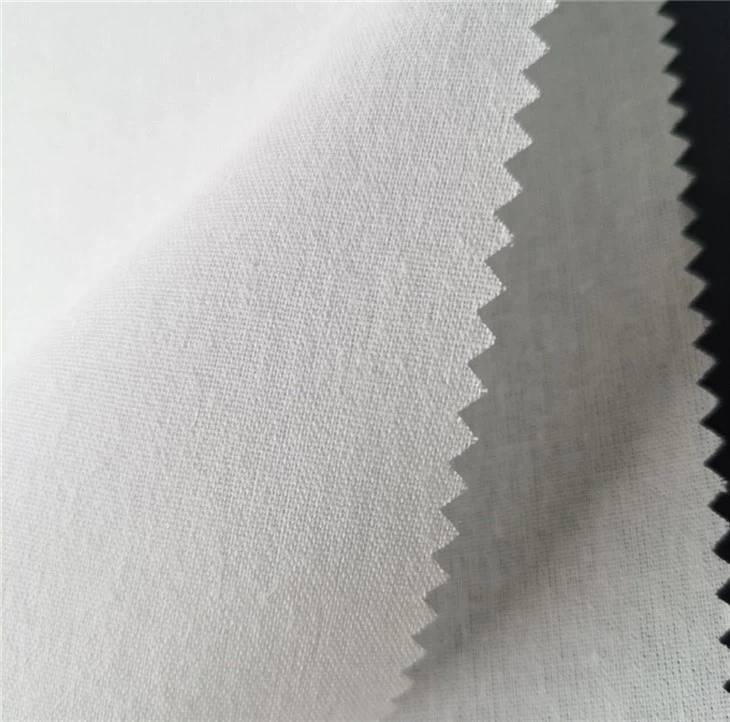
- Material Irritation: Some materials used in interlining, such as certain synthetic fibers or low - quality natural fibers, can be inherently irritating to the skin. For example, rough or stiff fibers may rub against the skin, causing friction and irritation.
- Allergic Reactions: Certain individuals may be allergic to specific materials used in the interlining. This could include chemicals used in the manufacturing process, dyes, or even the fibers themselves.
- Poor Fit: If the interlining is not properly fitted to the coat, it can bunch up or shift, creating areas of increased pressure and friction against the skin.
Selecting the Right Materials
One of the most effective ways to prevent itching is to choose the right materials for the interlining. Here are some considerations when selecting materials:
- Natural Fibers: Natural fibers such as cotton and wool are generally more breathable and less likely to cause irritation compared to synthetic fibers. Cotton Lining Fabric is a popular choice as it is soft, absorbent, and hypoallergenic. It allows the skin to breathe, reducing the likelihood of itching.
- Synthetic Fibers: If synthetic fibers are used, it is important to choose high - quality ones that are smooth and soft. Some synthetic fibers are treated to be more skin - friendly. For example, microfiber interlinings can be a good option as they are often soft and have a smooth texture.
- Mesh Interlinings: Mesh Lining Fabric is another excellent choice. Mesh interlinings are lightweight and breathable, allowing air to circulate freely. This helps to keep the skin dry and reduces the risk of irritation.
Quality Control in Manufacturing
Ensuring high - quality manufacturing processes is crucial for preventing itching. Here are some steps that can be taken during manufacturing:
- Clean Production Environment: A clean and dust - free production environment is essential. Dust and debris can become trapped in the interlining and cause irritation. Regular cleaning of machinery and work areas can help to minimize this risk.
- Proper Finishing: The interlining should undergo proper finishing processes to remove any rough edges or loose fibers. This can involve processes such as shearing, brushing, or singeing to create a smooth surface.
- Testing: Conducting thorough testing of the interlining is important. This can include testing for skin irritation using in - vitro or in - vivo methods. Suppliers should also test for colorfastness, shrinkage, and other quality parameters to ensure that the interlining meets the required standards.
Design and Fit
The design and fit of the interlining within the coat also play a significant role in preventing itching:
- Proper Pattern Making: The interlining pattern should be accurately made to match the coat pattern. This ensures a proper fit and reduces the likelihood of bunching or shifting.
- Seam Placement: Careful consideration should be given to seam placement. Seams that are too tight or located in areas where they rub against the skin can cause irritation. Using flat - felled seams or French seams can help to reduce friction.
- Layering: If multiple layers of interlining are used, they should be properly aligned and secured. This prevents the layers from moving against each other and causing irritation.
Communication with Customers
As a coat interlining supplier, it is important to communicate effectively with customers. Here's how:
- Educating Customers: Provide customers with information about the materials used in the interlining, their properties, and how to care for the coat. This can help customers make informed decisions and take proper care of their coats to prevent itching.
- Feedback Collection: Encourage customers to provide feedback on the comfort of the interlining. This feedback can be used to improve the product and address any issues that may arise.
After - Sales Service
Good after - sales service can also help to ensure customer satisfaction and prevent itching - related complaints:
- Warranty and Returns: Offering a reasonable warranty and return policy can give customers peace of mind. If a customer experiences itching or other issues with the interlining, they should be able to return the product for a replacement or refund.
- Technical Support: Provide technical support to customers who may have questions about the interlining or need advice on how to resolve itching issues. This can include providing guidance on proper care and maintenance of the coat.
Conclusion
Ensuring that the interlining in a coat does not cause itching is a multi - faceted process that involves selecting the right materials, maintaining high - quality manufacturing standards, paying attention to design and fit, and providing excellent customer service. By following these strategies, we can help our customers create coats that are not only stylish but also comfortable to wear.
If you are a coat manufacturer or in the business of coat production and are interested in high - quality, itch - free interlining solutions, I invite you to contact us for a procurement discussion. We are committed to providing you with the best interlining products that meet your specific needs.
References
- Textile Institute. (2020). Handbook of Textile Fibre Structure. Woodhead Publishing.
- ISO 105 - E04:2013. Textiles - Tests for colour fastness - Part E04: Colour fastness to perspiration.
- ASTM D2724 - 16. Standard Test Method for Determination of the Hand of Textiles (Panel Procedure).