

Hey there! I'm a supplier of hat lining, and I know how important it is to have a durable hat lining. A good hat lining not only adds comfort but also extends the life of your hat. In this blog, I'm gonna share some tips on how to make hat lining more durable.

Choose the Right Material
One of the most crucial factors in making hat lining durable is selecting the right material. Different materials have different properties, and some are more durable than others.
Hard Hat Lining
Hard Hat Lining is a great option if you're looking for durability. This type of lining is designed to withstand wear and tear. It's often made from sturdy materials that can handle the friction and pressure that comes with regular use. For example, if you're making work hats or hats for outdoor activities, hard hat lining can be a lifesaver. It resists damage from sweat, dirt, and abrasion, keeping your hat looking good for longer.
Bonded Interlining Fabric By Polyester
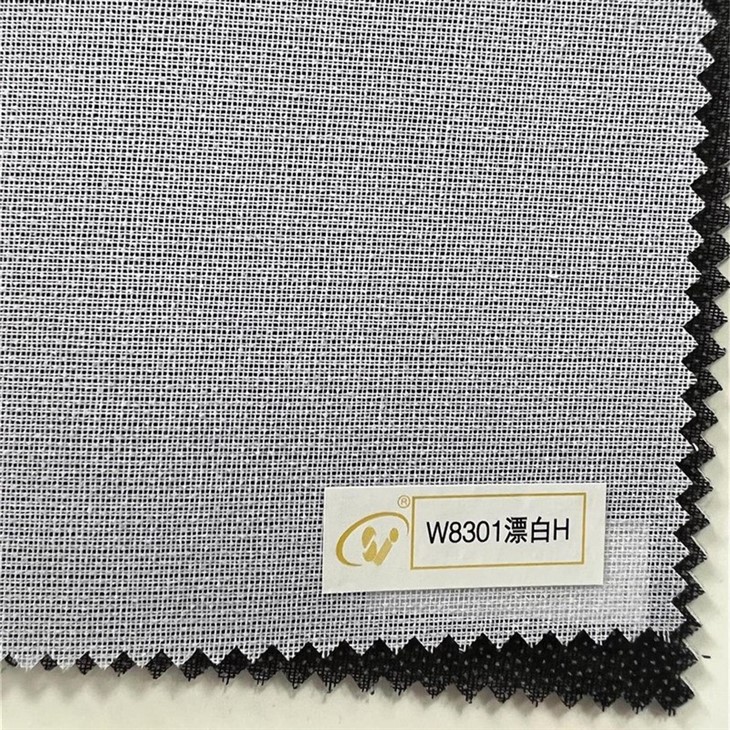
Another excellent choice is Bonded Interlining Fabric By Polyester. Polyester is known for its strength and resistance to wrinkles and shrinking. This fabric is bonded, which means it has an extra layer of stability. It can hold its shape well, even after multiple washings. Plus, polyester is quick - drying, which is great if your hat gets wet. Whether it's rain or sweat, the lining will dry fast, reducing the risk of mold and mildew growth.
Proper Installation
Even if you choose the most durable material, improper installation can reduce its lifespan. Here are some installation tips to ensure durability:
Precise Cutting
When cutting the hat lining, make sure to measure accurately. A lining that's too big or too small can cause problems. If it's too big, it may bunch up inside the hat, creating uneven pressure points that can lead to premature wear. On the other hand, a lining that's too small won't cover the entire area, leaving parts of the hat vulnerable. Use sharp scissors or a cutting machine to get clean, straight edges.
Secure Stitching
Stitching is what holds the lining in place. Use a strong thread that matches the material of the lining. For heavy - duty linings, a thicker thread may be necessary. Make sure the stitches are evenly spaced and tight. Loose stitches can come undone easily, causing the lining to shift or fall out. You can also use a double - stitch or a zig - zag stitch for added security, especially in areas that will experience more stress, like the brim or the crown of the hat.
Maintenance and Care
Proper maintenance is key to keeping hat lining durable. Here are some care tips:
Regular Cleaning
Clean your hat lining regularly. How often you clean it depends on how often you wear the hat and the conditions it's exposed to. For hats worn daily in dirty or sweaty environments, cleaning once a week may be necessary. For hats worn less frequently, a monthly cleaning should suffice. Use a mild detergent and lukewarm water. Avoid using harsh chemicals or bleach, as they can damage the lining material. Gently hand - wash the lining, then rinse it thoroughly to remove all the soap.
Drying
After cleaning, dry the lining properly. Don't wring it out, as this can distort the shape and damage the fibers. Instead, gently squeeze out the excess water and lay the lining flat on a clean towel. Let it air - dry in a well - ventilated area away from direct sunlight. Direct sunlight can fade the color and weaken the material over time.
Storage
When you're not wearing the hat, store it properly. Keep it in a cool, dry place. Avoid storing hats in plastic bags, as this can trap moisture and lead to mold growth. You can use a hat box or a hat rack to keep the hat in shape. If the hat has a lining that's prone to wrinkling, you can stuff it with tissue paper to help maintain its form.
Reinforcement Techniques
If you want to take durability to the next level, you can use some reinforcement techniques.
Adding Patches
For areas that are likely to experience more wear, such as the inside of the brim where it touches the forehead, you can add patches. Cut small pieces of the same or a similar durable material and sew them onto the lining. This will provide an extra layer of protection and prevent the lining from wearing through in those high - stress areas.
Using Interfacing
Interfacing is a thin layer of fabric that can be added to the lining for added stiffness and strength. It can be fused or sewn onto the lining. Interfacing is especially useful for hats that need to hold their shape well, like fedoras or top hats. It can also help prevent the lining from stretching or sagging over time.
Quality Control
As a hat lining supplier, I understand the importance of quality control. Before shipping out the lining, we conduct a series of tests to ensure its durability.
Tensile Strength Test
We test the tensile strength of the lining material. This involves pulling the material to see how much force it can withstand before breaking. A high - tensile strength indicates a more durable material. We use specialized equipment to conduct these tests accurately.
Abrasion Resistance Test
Another important test is the abrasion resistance test. We rub the lining material against a rough surface to simulate the wear it would experience in real - life use. If the material shows minimal signs of wear after a certain number of rubs, it passes the test. This helps us ensure that the lining can withstand the friction it will encounter inside the hat.
Conclusion
Making hat lining more durable involves a combination of choosing the right material, proper installation, maintenance, and sometimes reinforcement. By following these tips, you can ensure that your hat lining lasts a long time, providing comfort and protection for your hats.
If you're in the market for high - quality, durable hat lining, I'd love to talk to you. Whether you're a hat manufacturer or a retailer, we can work together to find the perfect lining solution for your needs. Reach out to start a conversation about your hat lining requirements.
References
- Textile Materials Handbook
- Hat Making and Design Manual