

As a trusted Interlining Fusible supplier, I've witnessed firsthand the challenges that many in the garment industry face when it comes to preventing wrinkling in Interlining Fusible. Wrinkles not only compromise the aesthetic appeal of the final product but can also lead to significant production delays and increased costs. In this blog post, I'll share some practical tips and strategies to help you keep your Interlining Fusible smooth and wrinkle - free.
Understanding the Causes of Wrinkling in Interlining Fusible
Before we dive into prevention methods, it's crucial to understand what causes wrinkling in Interlining Fusible. Several factors can contribute to this issue, including improper storage, incorrect application techniques, and the quality of the fabric itself.
- Storage Conditions: Improper storage is one of the leading causes of wrinkling. If Interlining Fusible is stored in a humid environment or under heavy pressure, it can develop wrinkles over time. Additionally, if the rolls are not stored horizontally, the fabric can stretch unevenly, leading to creases.
- Application Techniques: Incorrect application of Interlining Fusible can also result in wrinkling. If the temperature and pressure during the fusing process are not calibrated correctly, the fabric may not bond evenly, causing wrinkles. Moreover, if the fabric is not laid flat during application, it can easily wrinkle.
- Fabric Quality: The quality of the Interlining Fusible plays a significant role in its resistance to wrinkling. Lower - quality fabrics may have inconsistent fiber structures, making them more prone to wrinkling.
Preventive Measures
1. Proper Storage
Proper storage is the first step in preventing wrinkling in Interlining Fusible. Here are some guidelines:
- Temperature and Humidity Control: Store Interlining Fusible in a cool, dry place with a stable temperature and humidity level. Ideally, the temperature should be between 20 - 25°C (68 - 77°F), and the relative humidity should be around 40 - 60%. You can use a dehumidifier or a humidifier to maintain the appropriate humidity level in the storage area.
- Horizontal Storage: Always store Interlining Fusible rolls horizontally on a flat surface. This helps to prevent the fabric from stretching unevenly and developing wrinkles. If possible, use a rack specifically designed for fabric storage to keep the rolls organized and in good condition.
- Protection from Dust and Dirt: Cover the Interlining Fusible rolls with a clean, breathable fabric to protect them from dust and dirt. This not only helps to keep the fabric clean but also reduces the risk of abrasion, which can lead to wrinkling.
2. Correct Application Techniques
The application process is critical in preventing wrinkling. Here are some tips for a smooth application:
- Calibrate Temperature and Pressure: Before starting the fusing process, make sure to calibrate the temperature and pressure of the fusing machine according to the manufacturer's instructions. Different types of Interlining Fusible may require different temperature and pressure settings. For example, 20D Mesh Fabric may need a lower temperature compared to 100% Polyester Water Jet due to its thinner structure.
- Lay the Fabric Flat: Ensure that both the base fabric and the Interlining Fusible are laid flat on the fusing table before starting the process. Use a roller or a brush to smooth out any wrinkles or air bubbles. This helps to ensure an even bond between the two fabrics and reduces the risk of wrinkling.
- Use a Release Paper: A release paper can be used during the fusing process to prevent the Interlining Fusible from sticking to the fusing machine. It also helps to distribute the heat and pressure evenly, resulting in a smoother finish. Make sure to choose a release paper that is compatible with the Interlining Fusible.
3. Choosing High - Quality Interlining Fusible
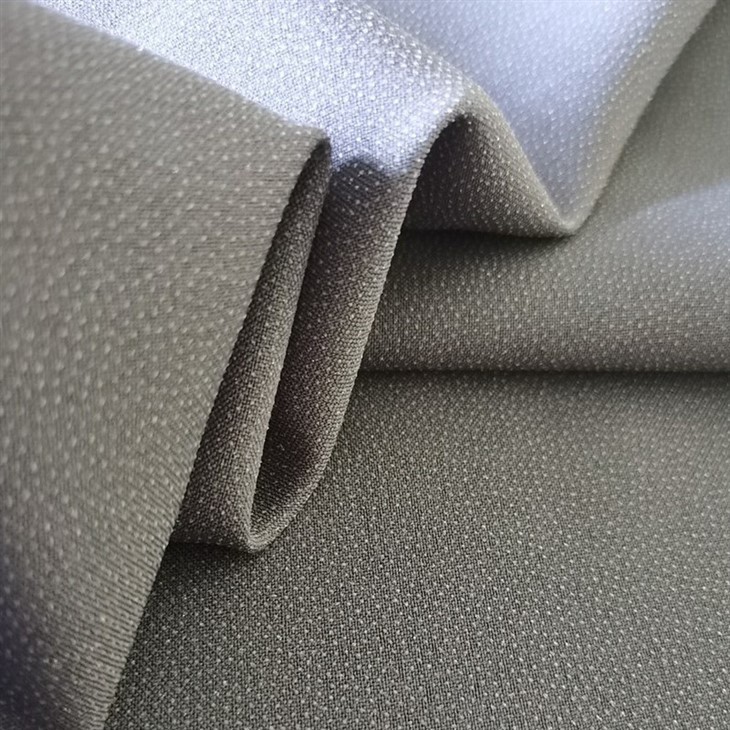
Investing in high - quality Interlining Fusible is essential for preventing wrinkling. High - quality fabrics are more likely to have a consistent fiber structure, which makes them more resistant to wrinkling. When choosing an Interlining Fusible, look for the following features:
- Uniformity: The fabric should have a uniform texture and thickness. Inconsistent thickness can lead to uneven bonding and wrinkling during the fusing process.
- Fiber Quality: Opt for Interlining Fusible made from high - quality fibers. Synthetic fibers such as polyester are often more resistant to wrinkling compared to natural fibers. For example, 100% Polyester Water Jet is known for its smooth finish and resistance to wrinkling.
- Manufacturer Reputation: Choose a reputable manufacturer for your Interlining Fusible. Reputable manufacturers are more likely to have strict quality control measures in place, ensuring that the fabric meets the highest standards. You can find high - quality Interlining Fusible from reliable suppliers who have a proven track record in the industry.
Post - Application Care
Even after the Interlining Fusible has been applied, proper care is necessary to prevent wrinkling. Here are some post - application care tips:
- Cooling Time: Allow the fused fabric to cool down completely before handling it. This helps to set the bond between the Interlining Fusible and the base fabric and reduces the risk of wrinkling.
- Folding and Packaging: When folding the fused fabric for storage or transportation, use a large - scale folding method to minimize the formation of creases. Additionally, use a protective packaging material to prevent the fabric from being crushed or wrinkled during transit.
Conclusion
Preventing wrinkling in Interlining Fusible requires a combination of proper storage, correct application techniques, and the use of high - quality fabrics. By following the tips outlined in this blog post, you can significantly reduce the risk of wrinkling and ensure that your final products have a smooth and professional finish.
If you're looking for high - quality Interlining Fusible for your garment production, we're here to help. Our company offers a wide range of Interlining Fusible products, including 20D Mesh Fabric and 100% Polyester Water Jet, that are designed to meet the highest standards of quality and performance. Contact us to start a procurement negotiation and take your garment production to the next level.

References
- Textile Technology Handbook, Edition 5, Publisher: ABC Publishing
- Journal of Textile Science and Engineering, Volume 12, Issue 3, Article: "Analysis of Wrinkling Mechanisms in Interlining Fusible"