

Hey there! I'm a supplier of lining fabrics, and I've seen my fair share of static electricity issues with synthetic lining fabrics. Static can be a real pain in the neck, causing clothes to stick to your body, attracting dust, and even giving you those annoying little shocks. But don't worry, I've got some tips and tricks to help you prevent static electricity in synthetic lining fabrics.
Understanding Static Electricity in Synthetic Lining Fabrics
First things first, let's talk about what causes static electricity in the first place. Static electricity is basically an imbalance of electric charges within or on the surface of a material. When two materials rub against each other, electrons can be transferred from one material to the other, creating a positive charge on one material and a negative charge on the other. This charge imbalance can lead to static cling and shocks.
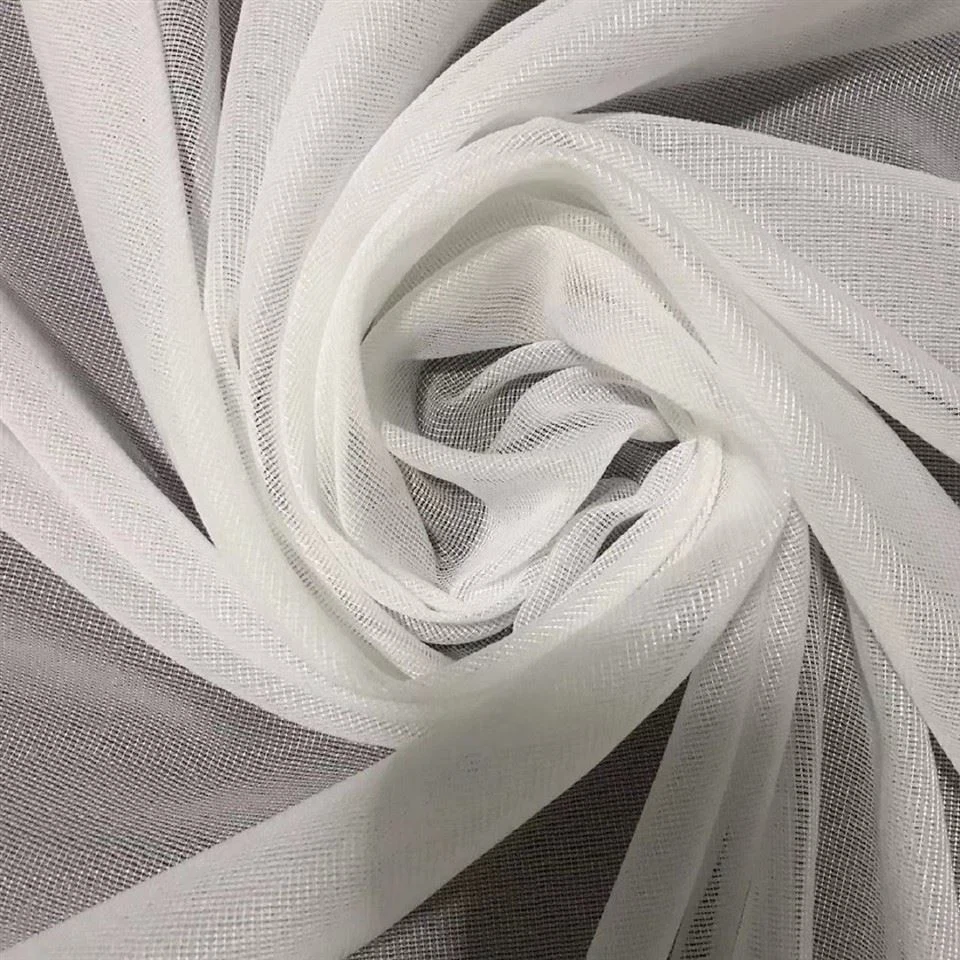
Synthetic lining fabrics, like Polyester Lining Fabric, are particularly prone to static electricity because they are made from synthetic fibers that don't conduct electricity well. These fibers tend to hold onto their charges, making it easier for static to build up. Additionally, dry environments can exacerbate the problem, as dry air doesn't allow the charges to dissipate as easily.
Tips to Prevent Static Electricity
Now that we know what causes static electricity, let's look at some ways to prevent it in synthetic lining fabrics.
1. Choose the Right Fabric
Not all synthetic lining fabrics are created equal when it comes to static. Some fabrics are treated with anti-static agents during the manufacturing process, which can help reduce static buildup. When selecting lining fabrics for your garments, look for those labeled as anti-static or made from fibers that are less likely to generate static, such as nylon or rayon blends. Coat Lining Fabric and Suit Lining options may come in anti-static varieties, so be sure to ask your supplier about these options.
2. Humidify the Environment
As I mentioned earlier, dry air can contribute to static electricity. By increasing the humidity in the environment where the garments are stored or worn, you can help reduce static buildup. You can use a humidifier in your home or office to add moisture to the air. In a manufacturing or storage facility, industrial humidifiers can be used to maintain optimal humidity levels. Just be careful not to make the environment too humid, as this can lead to other issues like mold and mildew.
3. Use Anti-Static Sprays
Anti-static sprays are a quick and easy way to reduce static electricity in synthetic lining fabrics. These sprays work by coating the fabric with a thin layer of conductive material, which helps to dissipate the charges. Simply spray the anti-static spray onto the lining fabric and let it dry. You can use anti-static sprays on both new and existing garments. Just make sure to test the spray on a small, inconspicuous area of the fabric first to make sure it doesn't cause any discoloration or damage.
4. Add Conductive Threads
Another way to prevent static electricity is to add conductive threads to the lining fabric during the manufacturing process. Conductive threads are made from materials like carbon or metal, which can conduct electricity and help to dissipate the charges. These threads can be woven into the fabric or applied as a coating. Adding conductive threads can be a more expensive option, but it can provide long-term protection against static electricity.
5. Ground Yourself
When handling synthetic lining fabrics, it's a good idea to ground yourself to prevent static buildup. You can do this by touching a grounded object, such as a metal doorknob or a grounded electrical outlet, before handling the fabric. This will help to discharge any static electricity that may be on your body. You can also wear anti-static wrist straps or shoes that are designed to ground you.

6. Wash with Anti-Static Detergent
Using an anti-static detergent when washing synthetic lining fabrics can also help reduce static buildup. Anti-static detergents contain ingredients that help to neutralize the charges on the fabric. Look for detergents that are specifically formulated for synthetic fabrics and have anti-static properties. You can also add a fabric softener to the wash cycle, as fabric softeners can help to reduce friction between the fibers and prevent static.
Benefits of Preventing Static Electricity
Preventing static electricity in synthetic lining fabrics has several benefits. For one, it can improve the comfort of the garments. Static cling can be uncomfortable, causing clothes to stick to your body and rub against your skin. By reducing static buildup, you can make the garments more comfortable to wear.
In addition to comfort, preventing static electricity can also improve the appearance of the garments. Static electricity can attract dust and lint to the fabric, making the garments look dirty and unkempt. By reducing static buildup, you can keep the garments looking clean and fresh.
Finally, preventing static electricity can also extend the lifespan of the lining fabrics. Static electricity can cause the fibers in the fabric to break down over time, leading to wear and tear. By reducing static buildup, you can help to preserve the integrity of the fabric and make the garments last longer.
Contact Us for Your Lining Fabric Needs
If you're in the market for high-quality lining fabrics that are resistant to static electricity, look no further. As a leading supplier of lining fabrics, we offer a wide range of options, including Coat Lining Fabric, Suit Lining, and Polyester Lining Fabric. Our fabrics are carefully selected and tested to ensure they meet the highest standards of quality and performance.
Whether you're a clothing manufacturer, a designer, or a retailer, we can help you find the perfect lining fabric for your needs. We offer competitive prices, fast shipping, and excellent customer service. So, if you're interested in learning more about our products or have any questions, don't hesitate to contact us. We'd love to hear from you and help you find the right lining fabric solution.
References
- "Static Electricity: Causes and Prevention." Science Buddies.
- "Textile Chemistry: Understanding Fibers and Fabrics." Wiley.
- "Anti-Static Technologies for Textiles." Journal of Textile Science and Engineering.