

As a seasoned supplier of coat interlining, I understand the paramount importance of ensuring the quality of our products. Coat interlining plays a crucial role in enhancing the structure, durability, and overall aesthetic appeal of coats. In this blog post, I will share some effective methods on how to test the quality of coat interlining, providing valuable insights for both industry professionals and customers.
1. Visual Inspection
The first step in testing coat interlining quality is a thorough visual inspection. This can reveal obvious defects and irregularities that may affect the performance of the interlining.
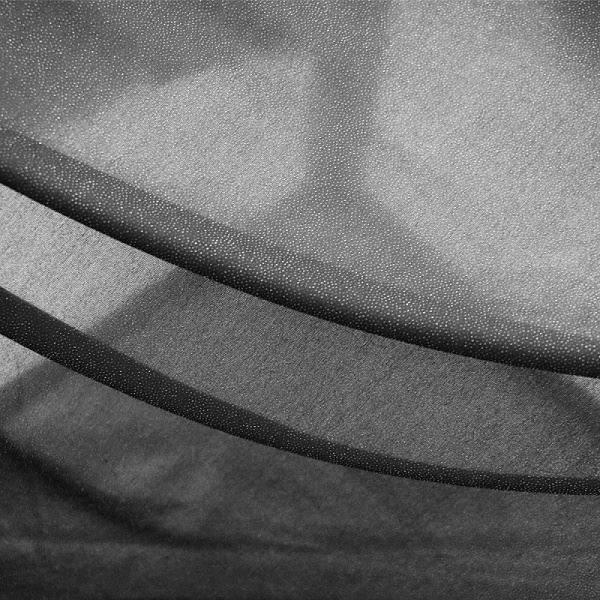

- Color and Appearance: Check for consistent color throughout the interlining. Any discoloration, spots, or uneven dyeing could indicate a problem with the manufacturing process. A high - quality interlining should have a uniform and clean appearance.
- Surface Texture: Run your fingers over the surface of the interlining. It should be smooth without any bumps, lumps, or rough patches. A rough surface can cause discomfort when in contact with the body and may also affect the smoothness of the outer fabric when fused.
- Fabric Density: Examine the density of the interlining fabric. It should be evenly woven or non - woven, with no visible gaps or thin areas. A well - made interlining has a consistent density that provides uniform support to the outer fabric.
2. Tensile Strength Test
Tensile strength is a key indicator of an interlining's ability to withstand stress and maintain its shape over time. To conduct a tensile strength test, you can use a simple testing setup or a more advanced tensile testing machine if available.
- Sample Preparation: Cut a rectangular sample of the interlining with a specified width and length. Make sure the edges are straight and smooth to avoid any stress concentration points.
- Testing Procedure: Secure one end of the sample firmly and apply a gradually increasing force to the other end until the sample breaks. Measure the maximum force the sample can withstand before breaking. A high - quality interlining should have a relatively high tensile strength, indicating its ability to resist tearing and stretching during normal use.
3. Adhesion Test
Since coat interlining is often fused to the outer fabric, the adhesion strength between the two is critical. A poor adhesion can lead to delamination, where the interlining separates from the outer fabric, resulting in a ruined garment.
- Fusing Process: First, fuse a sample of the interlining to a representative piece of the outer fabric according to the recommended fusing parameters (temperature, pressure, and time). Use a heat press or a fusing machine for accurate results.
- Peel Test: After the fusing process, let the sample cool down completely. Then, try to peel the interlining from the outer fabric by hand. If the interlining comes off easily or leaves a large amount of residue on the outer fabric, it indicates poor adhesion. A good interlining should have a strong bond with the outer fabric, with only minimal peeling and no significant residue.
4. Shrinkage Test
Shrinkage can cause a coat to lose its shape and fit over time. Therefore, it is important to test the shrinkage rate of the interlining under different conditions.
- Sample Measurement: Measure the length and width of a sample of the interlining accurately before the test.
- Washing or Drying: Subject the sample to a standard washing or drying process, following the care instructions for the interlining. This could involve machine washing in a specific detergent at a set temperature or tumble - drying at a certain heat setting.
- Post - test Measurement: After the washing or drying process, measure the length and width of the sample again. Calculate the shrinkage rate by comparing the pre - test and post - test measurements. A high - quality interlining should have a low shrinkage rate, ensuring that the coat retains its original shape and size.
5. Breathability Test
Breathability is an important factor, especially for coats that are worn in different weather conditions. A breathable interlining allows air to circulate, keeping the wearer comfortable and preventing sweating and odor.
- Cup Method: One common way to test breathability is the cup method. Place a sample of the interlining over a cup filled with water. Seal the edges of the sample to the cup to prevent air leakage. Then, weigh the cup and sample combination. Leave it in a controlled environment for a certain period of time. After that, weigh the cup and sample again. The weight loss indicates the amount of water vapor that has passed through the interlining, which is a measure of its breathability.
6. Softness and Hand - feel Test
The softness and hand - feel of the interlining contribute to the overall comfort of the coat. A harsh or stiff interlining can make the coat uncomfortable to wear.
- Subjective Evaluation: Have a group of people feel the interlining by hand and rate its softness on a scale. Different individuals may have slightly different perceptions, but an overall consensus can be reached.
- Objective Measurement: Some advanced instruments can measure the stiffness or softness of the fabric objectively. These instruments use parameters such as bending resistance to quantify the hand - feel of the interlining.
7. Compatibility with Outer Fabrics
Coat interlining should be compatible with a variety of outer fabrics. It is essential to test the interlining's performance when fused with different types of outer fabrics, such as wool, cotton, polyester, etc.
- Fusing Tests: Conduct fusing tests with different outer fabrics using the recommended fusing parameters. Observe the adhesion, appearance, and flexibility of the fused samples. A good interlining should be able to work well with various outer fabrics, providing consistent support and a smooth finish.
8. Resistance to Chemicals and Aging
Coats may be exposed to various chemicals during their lifespan, such as detergents, dry - cleaning solvents, and environmental pollutants. Additionally, aging can also affect the quality of the interlining over time.
- Chemical Resistance Test: Immerse a sample of the interlining in a solution of a common chemical (e.g., a mild detergent solution) for a specified period of time. Then, remove the sample, rinse it thoroughly, and dry it. Check for any changes in color, strength, or adhesion. A high - quality interlining should show minimal changes after exposure to chemicals.
- Aging Test: Simulate the aging process by exposing the interlining to high temperature, humidity, and light for an extended period. This can help predict how the interlining will perform over time. After the aging test, conduct the previously mentioned tests (tensile strength, adhesion, etc.) again to assess any degradation in quality.
In conclusion, testing the quality of coat interlining is a comprehensive process that involves multiple aspects. By conducting these tests, we can ensure that our Interfacing Fabric Fusible Interlining, Shirt Collar Fusing Interlining, and 30D High Elastic Lining meet the highest standards of quality and performance.
If you are in the market for high - quality coat interlining, we invite you to contact us for further discussions and potential procurement. We are committed to providing you with the best products and services to meet your specific needs.
References
- ASTM International. (Year). Standard test methods for textile fabrics. ASTM publications.
- Textile Institute. (Year). Handbook of textile testing and quality control. Woodhead Publishing.