

Hey there! As a coat interlining supplier, I often get asked about the difference between fusible and non - fusible coat interlining. So, I thought I'd break it down for you in this blog post.
Let's start with fusible interlining. Fusible interlining, as the name suggests, is designed to be fused to the fabric. It has a special adhesive on one side that activates when heat is applied. You can find more about this type of interlining on our Fusing Interlining Fabric page.
One of the biggest advantages of fusible interlining is how easy it is to use. You just cut it to the right size, place it on the wrong side of the fabric, and then use a hot iron to bond them together. It saves a ton of time compared to other methods. This is especially great for mass - production settings where efficiency is key.
Another plus is that fusible interlining provides a very consistent look. Since it adheres evenly to the fabric, you get a smooth and professional finish. It can also help to stabilize the fabric, preventing it from stretching or distorting during the sewing process. This is super important when working with delicate or lightweight fabrics that might otherwise be difficult to handle.
However, fusible interlining does have its drawbacks. The adhesive can sometimes cause problems. If the iron is too hot, it can melt the adhesive and leave a sticky residue on the fabric. And over time, the adhesive might lose its strength, causing the interlining to separate from the fabric. Also, some people find that the stiffness of fusible interlining can make the garment feel a bit too rigid, especially if you're going for a more natural drape.
Now, let's talk about non - fusible interlining. Non - fusible interlining is sewn into the garment instead of being fused. It's a more traditional method that has been used for ages. You can explore different options for non - fusible interlining on our Fabrics For Clothing Lining page.
The main advantage of non - fusible interlining is the flexibility it offers. You can choose how to sew it in, and you have more control over the final look and feel of the garment. It allows the fabric to have a more natural drape, which is great for creating a softer, more flowing style. Non - fusible interlining is also less likely to cause problems with the fabric, since there's no adhesive involved.
Non - fusible interlining is also more durable in some cases. Since it's sewn in, it's less likely to come loose over time. This makes it a good choice for high - quality, long - lasting garments. It's also a great option for fabrics that don't react well to heat, like some natural fibers.

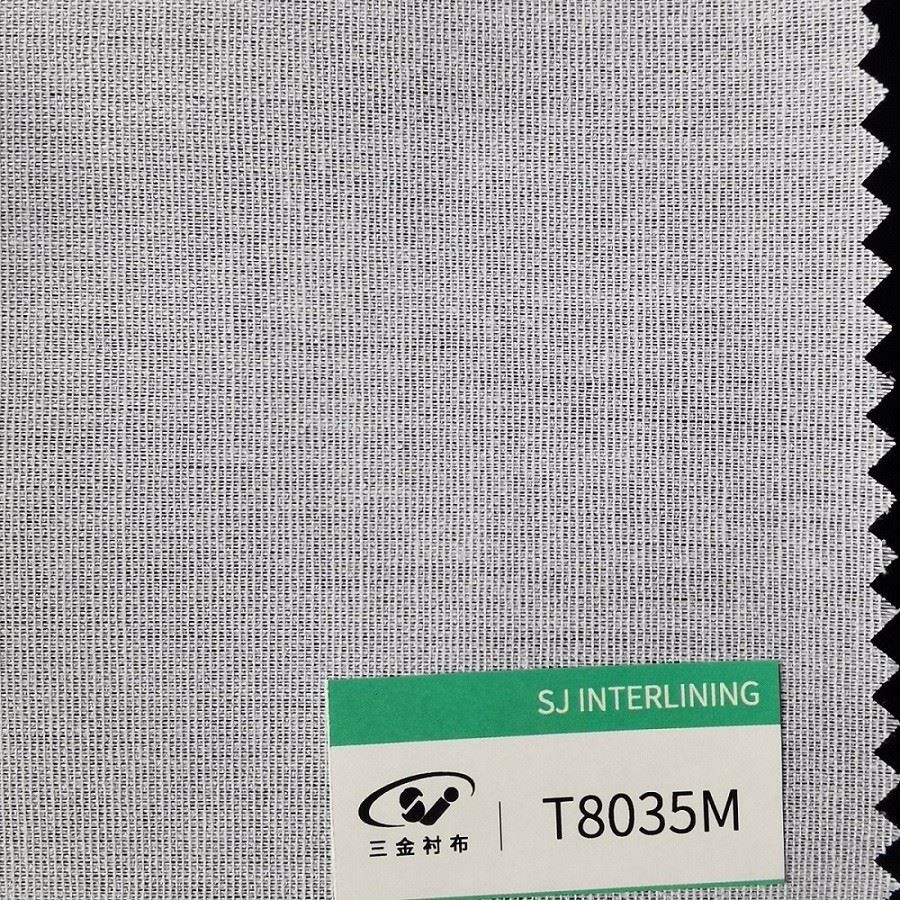
But non - fusible interlining does take more time and skill to work with. Sewing it in can be a bit tricky, especially if you're not experienced. You need to make sure the stitches are even and secure, or else the interlining might shift around inside the garment. And because it takes longer to sew in, it's not as practical for large - scale production.
In terms of appearance, non - fusible interlining can give a more rustic or handmade look. If that's the style you're going for, then it's perfect. But if you're looking for a super smooth and modern finish, fusible interlining might be a better choice.
When it comes to specific applications, the choice between fusible and non - fusible interlining depends on the type of coat you're making. For a structured, tailored coat, fusible interlining can help to maintain the shape and give a crisp look. It's often used in business suits and formal coats. On the other hand, for a more casual, loose - fitting coat, non - fusible interlining can provide a more comfortable and natural feel. It's great for winter coats, jackets, and outerwear where you want the fabric to move freely.
Let's also consider the collar. The collar is an important part of a coat, and the type of interlining you choose can make a big difference. Cotton Collar Interlining is a popular option. For a collar, fusible interlining can give it a stiff and upright shape, which is ideal for a professional look. Non - fusible interlining, on the other hand, can make the collar more flexible and comfortable to wear.
In conclusion, both fusible and non - fusible coat interlining have their own unique features and benefits. As a coat interlining supplier, I can offer you a wide range of options to suit your needs. Whether you're a professional tailor, a fashion designer, or just someone who loves to sew at home, I'm here to help you make the right choice.
If you're interested in purchasing coat interlining, I'd love to have a chat with you. You can reach out to discuss your requirements, and we can work together to find the perfect interlining for your project. Whether you need a large quantity for mass production or just a small amount for a personal project, we've got you covered.
References
- "The Complete Guide to Interlinings" - A well - known sewing book that provides in - depth information on different types of interlinings.
- Industry research papers on fabric technology and garment construction.