

As a supplier of cap interlining, one of the most frequently asked questions I encounter is about the heat resistance of cap interlining. In this blog post, I'll delve into the details of what heat resistance means for cap interlining, its importance, and how it can impact the quality and performance of caps.
Understanding Heat Resistance in Cap Interlining
Heat resistance refers to the ability of a material to withstand high temperatures without significant degradation in its physical and chemical properties. For cap interlining, this is crucial as it can be exposed to various heat sources during the manufacturing process, storage, and end - use.
During the manufacturing of caps, heat is often used in processes such as bonding, pressing, and shaping. If the cap interlining does not have sufficient heat resistance, it may melt, shrink, or lose its shape, which can lead to defects in the final product. For example, in the case of Bonded Interlining Fabric By Polyester, heat is used to bond the layers together. If the interlining cannot handle the heat, the bond may fail, resulting in a delaminated cap.
In storage and end - use, caps may be exposed to sunlight, hot environments, or even ironing if the wearer decides to press the cap. A heat - resistant cap interlining ensures that the cap maintains its structure and shape under these conditions.
Factors Affecting the Heat Resistance of Cap Interlining
Material Composition
The type of material used in the cap interlining plays a significant role in its heat resistance. Different fibers have different melting points and thermal stabilities.
- Natural Fibers: Cotton and wool are common natural fibers used in cap interlining. Cotton has a relatively low heat resistance. It can start to char at around 150 - 200°C (302 - 392°F). Wool, on the other hand, has better heat resistance than cotton. It can withstand temperatures up to around 230 - 250°C (446 - 482°F) before significant damage occurs.
- Synthetic Fibers: Polyester is a widely used synthetic fiber in cap interlining. It has good heat resistance, with a melting point typically around 250 - 260°C (482 - 500°F). Nylon also has decent heat resistance, melting at around 215 - 260°C (419 - 500°F) depending on the type.
Treatment and Coating
Some cap interlinings are treated or coated to enhance their heat resistance. For example, a flame - retardant coating can be applied to the interlining to increase its ability to withstand high temperatures without catching fire. These coatings work by creating a barrier that slows down the transfer of heat and oxygen to the interlining material.
Structure and Thickness
The structure and thickness of the cap interlining can also affect its heat resistance. A thicker interlining may provide better insulation and be more resistant to heat compared to a thinner one. Additionally, the way the fibers are woven or non - woven can influence how heat is conducted through the material.
Testing the Heat Resistance of Cap Interlining
To ensure the quality of our cap interlining, we conduct various tests to measure its heat resistance.
Melting Point Test
This test determines the temperature at which the interlining material starts to melt. A small sample of the interlining is heated gradually, and the temperature at which melting occurs is recorded. This gives us an idea of the upper limit of temperature the interlining can withstand.
Shrinkage Test
In this test, the interlining sample is exposed to a specific high temperature for a set period. After cooling, the change in dimensions of the sample is measured. A significant shrinkage indicates poor heat resistance, as it shows that the material has undergone structural changes due to the heat.
Flame Resistance Test
For interlinings with flame - retardant coatings, a flame resistance test is conducted. The sample is exposed to a flame for a short period, and the time it takes to self - extinguish is measured. A shorter self - extinguishing time indicates better flame resistance.
Importance of Heat Resistance in Different Types of Caps
Hard Hats
Hard Hat Lining is designed to protect the wearer's head from impact and other hazards. Heat resistance is crucial in hard hat linings as they may be exposed to high - temperature environments, such as in industrial settings or during firefighting. A heat - resistant interlining ensures that the hard hat maintains its protective properties even under extreme heat.
Fashion Caps
In fashion caps, heat resistance is important for maintaining the shape and appearance of the cap. Whether it's a baseball cap, a fedora, or a beret, the interlining needs to withstand the heat from sunlight, hair dryers, or ironing. This ensures that the cap looks good and retains its style over time.

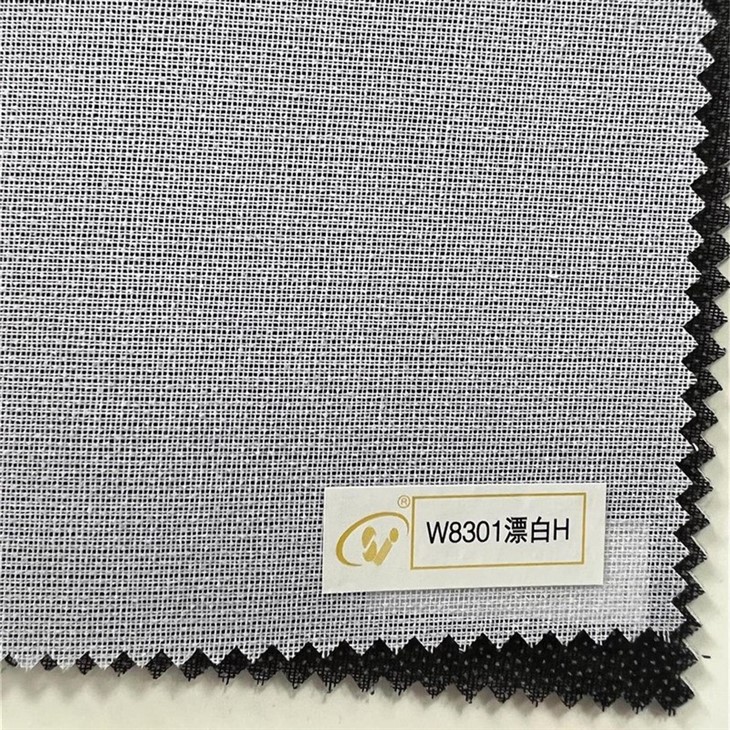
Choosing the Right Heat - Resistant Cap Interlining
When choosing a cap interlining, it's essential to consider the specific requirements of the cap.
- End - Use Environment: If the cap is intended for use in a hot environment, such as a construction site or a desert, a high - heat - resistant interlining is necessary.
- Manufacturing Process: The heat - related processes involved in cap manufacturing, such as bonding and pressing, should also be taken into account. Make sure the interlining can withstand the temperatures used in these processes.
- Cost - Benefit Analysis: Higher - heat - resistant interlinings may be more expensive. It's important to balance the cost with the benefits in terms of product quality and performance.
Conclusion
The heat resistance of cap interlining is a critical factor that affects the quality, performance, and durability of caps. As a cap interlining supplier, we are committed to providing high - quality interlinings with excellent heat resistance. Whether you are a cap manufacturer looking for the right interlining for your products or a wearer concerned about the longevity of your cap, understanding heat resistance is essential.
If you are interested in purchasing our cap interlining products, we invite you to contact us for more information and to discuss your specific requirements. Our team of experts is ready to assist you in finding the perfect interlining solution for your caps.
References
- Textile Testing Handbook, Third Edition by A. K. Mukhopadhyay
- Handbook of Fiber Chemistry, Third Edition by Menachem Lewin