

Hey there! I'm an interlining HDPE supplier, and today I want to dig deep into the topic of "What is the permeability of interlining HDPE?"
First off, let's get a basic understanding of what interlining HDPE is. HDPE stands for High - Density Polyethylene. It's a thermoplastic polymer made from petroleum. When it comes to interlining, HDPE has a wide range of applications. It can be used in various products like Woven Fusible Interlining, Suit Lining Fabric, and Double Lining Fabric.
So, what exactly is permeability? Permeability refers to the ability of a material to allow substances such as gases, liquids, or vapors to pass through it. In the case of interlining HDPE, we're mainly concerned with how well it allows air and moisture to pass through.
The permeability of interlining HDPE is quite low. HDPE has a dense molecular structure. Its long - chain polymer molecules are tightly packed together. This dense structure acts as a barrier, preventing the easy passage of gases and liquids. For example, if you're using HDPE interlining in a suit lining, it can help keep out moisture from the outside environment. This is great for maintaining the integrity of the suit and preventing it from getting damp or moldy.
When it comes to air permeability, HDPE also doesn't let much air through. This can be both an advantage and a disadvantage. On the plus side, in applications where you want to keep out drafts, like in some high - performance outdoor clothing linings, the low air permeability of HDPE can be a huge benefit. It helps to keep the wearer warm by reducing the amount of cold air that can penetrate the garment.
However, the low permeability can also be a drawback. In clothing where breathability is crucial, such as activewear, the low air and moisture permeability of HDPE can make the wearer feel stuffy and sweaty. The body produces heat and moisture during physical activity, and if the interlining can't allow this moisture to escape, it can lead to an uncomfortable wearing experience.
There are ways to modify the permeability of interlining HDPE. One common method is to create micro - perforations in the HDPE material. These tiny holes can increase the air and moisture permeability without significantly compromising the strength and other properties of the HDPE. Manufacturers can control the size, density, and distribution of these perforations to achieve the desired level of permeability.
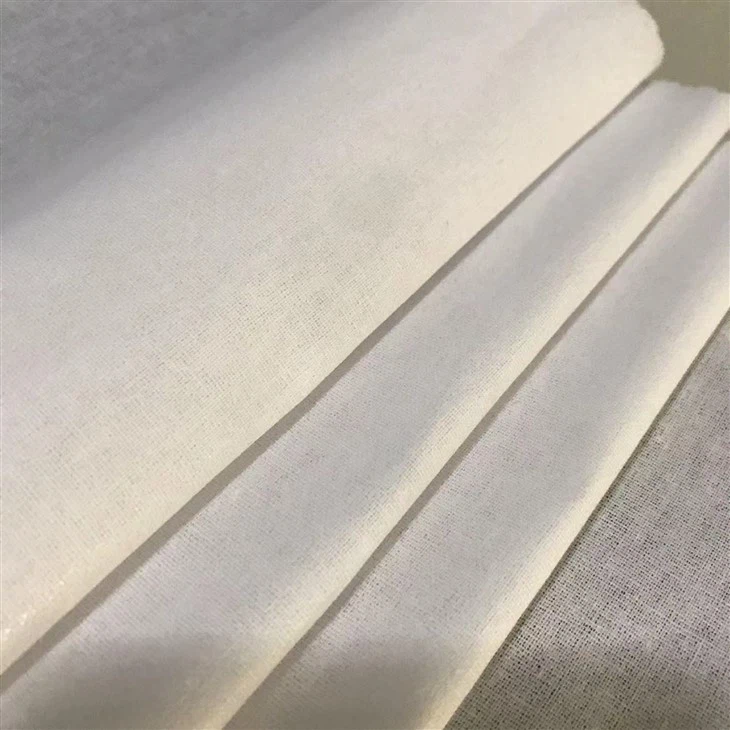
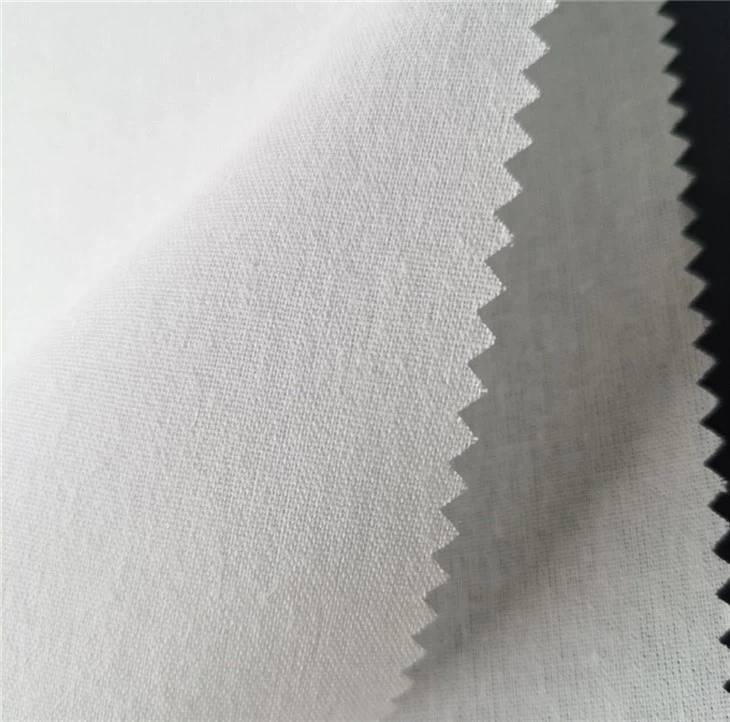
Another approach is to blend HDPE with other materials that have higher permeability. For instance, blending it with natural fibers like cotton or linen can improve the overall breathability of the interlining. The natural fibers act as channels for air and moisture to pass through, while the HDPE still provides the strength and durability.
As an interlining HDPE supplier, I've seen a wide range of customer needs. Some customers are looking for extremely low - permeability interlining for applications like waterproof bags or industrial linings. Others need a more breathable option for clothing or home textiles. That's why we offer a variety of HDPE interlining products with different levels of permeability.
We conduct thorough testing on our products to ensure that they meet the required permeability standards. We use advanced testing equipment to measure the air and moisture transmission rates. This way, we can accurately tell our customers what they can expect from our interlining HDPE in terms of permeability.
If you're in the market for interlining HDPE, whether it's for a large - scale industrial project or a small - batch clothing production, I'd love to talk to you. We can discuss your specific requirements and help you choose the right product with the ideal permeability for your application. Don't hesitate to reach out and start a conversation about your procurement needs.
In conclusion, the permeability of interlining HDPE is an important characteristic that can greatly impact its performance in different applications. Understanding this property and how it can be modified is key to getting the most out of HDPE interlining. Whether you need a highly impermeable barrier or a more breathable option, there's an HDPE interlining solution out there for you.
References
- "Polymer Science and Technology" by Carl A. Roff and John R. Scott
- "Textile Science" by Mary M. Kinsley and Susan C. Vigo