

As a supplier of 30D and 20D materials, one of the most common questions I encounter from clients is about the abrasion resistance of these two types of fabrics. This is a crucial factor, especially for industries where materials are subjected to constant friction and wear, such as the manufacturing of bags, sportswear, and high - performance outdoor gear. In this blog, I'll delve into the science behind the abrasion resistance of 30D and 20D fabrics and provide an in - depth comparison to help you make an informed decision.
Understanding the Basics: What is D in Fabric?
The "D" in 30D and 20D stands for denier, a unit of measurement used to express the linear mass density of fibers. Specifically, denier represents the weight in grams of 9,000 meters of a fiber. A lower denier number indicates a finer, lighter fiber, while a higher denier number means a thicker, heavier fiber. So, 20D fibers are finer and lighter than 30D fibers.
The Science of Abrasion Resistance
Abrasion resistance refers to a material's ability to withstand surface wear caused by rubbing, scraping, or friction. Several factors contribute to a fabric's abrasion resistance, including fiber type, weave structure, and the denier of the fibers.
Fibers with a higher denier generally have more material per unit length. This means they can better withstand the mechanical forces associated with abrasion. A thicker fiber is less likely to break or fray when rubbed against a rough surface compared to a thinner one.
Weave structure also plays a significant role. Fabrics with a tight, dense weave are more abrasion - resistant than those with a loose weave. The tight interlacing of the fibers provides a stronger barrier against abrasion.
Abrasion Resistance of 30D vs. 20D
In general, 30D fabrics tend to have better abrasion resistance than 20D fabrics. Since 30D fibers are thicker and heavier than 20D fibers, they can endure more stress from rubbing and scraping. When a 30D fabric is in contact with a rough surface, the individual fibers are less likely to be damaged. The extra mass of the 30D fibers means they have more material to sacrifice before the fabric starts to show signs of wear.
On the other hand, 20D fabrics, being made of finer fibers, are more prone to abrasion. The thinner fibers can break more easily when subjected to friction. However, this doesn't mean that 20D fabrics are completely useless in applications where abrasion resistance is required. They have their own advantages, such as being lighter and more flexible, which make them suitable for applications where weight is a critical factor.
Applications and Suitability
The choice between 30D and 20D fabrics depends largely on the specific application.
For applications where high abrasion resistance is a top priority, such as the production of heavy - duty bags or workwear, 30D fabrics are often the better choice. These fabrics can withstand the rigors of daily use, including being dragged across rough surfaces or coming into contact with sharp objects. For example, Bag Lining Fabric made from 30D materials will last longer and maintain its integrity better over time.

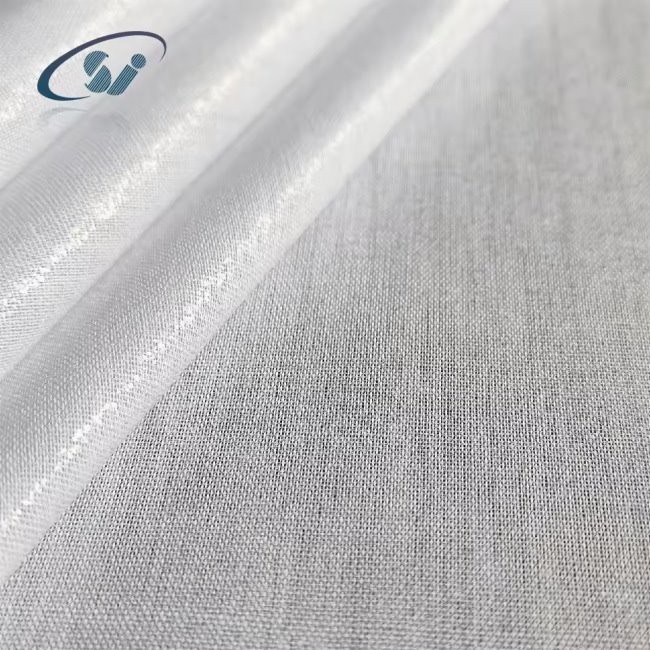
In contrast, 20D fabrics are ideal for applications where weight and flexibility are more important than extreme abrasion resistance. They are commonly used in lightweight sportswear, ultralight backpacks, and some types of lingerie. The lightness of 20D fabrics makes them comfortable to wear for extended periods, and their flexibility allows for a greater range of motion.
Other Considerations
Apart from abrasion resistance, there are other factors to consider when choosing between 30D and 20D fabrics.
Cost is one such factor. Generally, 20D fabrics are less expensive than 30D fabrics. This is because they use less material per unit area. If you're working on a budget - sensitive project, 20D fabrics may be a more attractive option.
Appearance is also important. 20D fabrics often have a smoother, more delicate appearance, while 30D fabrics can look and feel more substantial. The choice between the two will depend on the aesthetic requirements of your product.
Our Offerings as a Supplier
As a supplier of 30D and 20D fabrics, we understand the diverse needs of our clients. We offer a wide range of Interlinings & Linings and Cotton Interlining Fabric in both 30D and 20D options. Our fabrics are sourced from high - quality manufacturers and undergo strict quality control to ensure they meet the highest standards.
Whether you need a fabric with excellent abrasion resistance for heavy - duty applications or a lightweight, flexible fabric for more delicate uses, we can provide you with the right solution. Our team of experts is always ready to assist you in choosing the most suitable fabric for your project.
Conclusion
In conclusion, 30D fabrics generally have better abrasion resistance than 20D fabrics due to their thicker fibers. However, the choice between the two depends on a variety of factors, including the specific application, cost, and appearance requirements. As a supplier, we are committed to providing you with the best - quality 30D and 20D fabrics to meet your needs. If you're interested in purchasing our fabrics or have any questions about our products, please don't hesitate to contact us for a purchase negotiation.
References
- Textile Science and Technology textbooks
- Industry reports on fabric performance and durability