

When it comes to lightweight products, the choice between 30D and 20D materials is a crucial decision that can significantly impact the final product's quality, performance, and overall user experience. As a trusted supplier of both 30D and 20D materials, I've witnessed firsthand the diverse needs and preferences of our customers in various industries. In this blog post, I'll delve into the characteristics of 30D and 20D, compare their suitability for lightweight products, and provide insights to help you make an informed decision.
Understanding 30D and 20D
Before we dive into the comparison, let's first understand what 30D and 20D mean. The "D" in 30D and 20D stands for denier, which is a unit of measurement for the linear mass density of fibers. A lower denier value indicates a finer and lighter fiber, while a higher denier value represents a coarser and heavier fiber. In the context of lightweight products, 30D and 20D materials are known for their thinness and lightness, making them ideal for applications where weight is a critical factor.
Characteristics of 30D Materials
30D materials are relatively lightweight and offer a good balance between strength and flexibility. They are commonly used in a wide range of lightweight products, including outdoor clothing, backpacks, and tents. Here are some key characteristics of 30D materials:
- Lightweight: 30D materials are significantly lighter than higher denier materials, making them ideal for applications where weight is a concern.
- Flexible: The finer fibers in 30D materials provide greater flexibility, allowing for a more comfortable and natural fit.
- Durable: Despite their lightweight nature, 30D materials are surprisingly durable and can withstand regular wear and tear.
- Breathable: 30D materials are often breathable, allowing air to circulate and keeping the wearer cool and dry.
Characteristics of 20D Materials
20D materials are even lighter and finer than 30D materials, offering a higher level of comfort and breathability. They are commonly used in high-performance lightweight products, such as ultralight backpacks, sleeping bags, and technical clothing. Here are some key characteristics of 20D materials:
- Ultra-lightweight: 20D materials are among the lightest available, making them perfect for applications where every gram counts.
- Soft and comfortable: The finer fibers in 20D materials provide a soft and smooth texture, enhancing the overall comfort of the product.
- Highly breathable: 20D materials are extremely breathable, allowing for maximum air circulation and moisture wicking.
- Less durable: Due to their ultra-lightweight nature, 20D materials are generally less durable than 30D materials and may require more careful handling.
Suitability for Lightweight Products
Now that we've explored the characteristics of 30D and 20D materials, let's compare their suitability for different types of lightweight products.
Outdoor Clothing
In outdoor clothing, both 30D and 20D materials have their advantages. 30D materials are a popular choice for outer shells and jackets, as they offer a good balance between lightweight, durability, and weather resistance. They can withstand the rigors of outdoor activities and provide protection against wind, rain, and snow. On the other hand, 20D materials are often used for inner layers and base layers, where their softness and breathability are highly valued. They can help regulate body temperature and keep the wearer dry and comfortable in various weather conditions.
Backpacks
When it comes to backpacks, the choice between 30D and 20D materials depends on the intended use and the weight of the load. 30D materials are commonly used for the main body of backpacks, as they provide sufficient strength and durability to carry heavy loads. They can withstand the stress of daily use and are less likely to tear or puncture. However, if weight is a primary concern, 20D materials can be used for the outer shell or certain parts of the backpack to reduce overall weight. Keep in mind that 20D materials may be less durable and may require more careful handling.
Tents
In the world of tents, 30D and 20D materials are both popular choices. 30D materials are often used for the tent body and flysheet, as they offer a good balance between lightweight and durability. They can withstand the elements and provide protection against wind, rain, and UV rays. 20D materials, on the other hand, are commonly used for the tent floor and inner lining, where their softness and breathability are beneficial. They can help create a comfortable sleeping environment and reduce condensation.
Considerations for Choosing Between 30D and 20D
When deciding between 30D and 20D materials for your lightweight products, there are several factors to consider:
- Intended Use: Consider the specific application and the conditions in which the product will be used. If the product will be subjected to heavy use or rough handling, 30D materials may be more suitable. If weight is the primary concern and the product will be used in relatively mild conditions, 20D materials may be a better choice.
- Weight Requirements: Determine the maximum weight you are willing to tolerate for the product. If weight is a critical factor, 20D materials may offer the desired reduction in weight. However, keep in mind that 20D materials may be less durable and may require more careful handling.
- Durability: Evaluate the durability requirements of the product. If the product needs to withstand regular wear and tear, 30D materials are generally more durable and can provide a longer lifespan.
- Comfort: Consider the comfort level of the product. 20D materials are typically softer and more breathable, offering a higher level of comfort. However, if the product needs to provide more structure or support, 30D materials may be a better option.
- Cost: Compare the cost of 30D and 20D materials. In general, 20D materials are more expensive due to their finer fibers and higher manufacturing costs. Consider your budget and the value you place on the specific characteristics of each material.
Our Products and Solutions
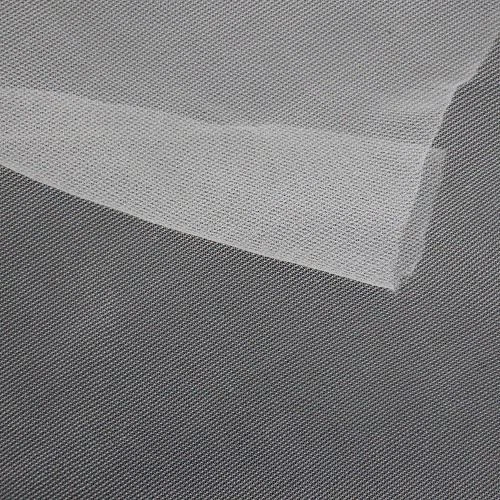
As a leading supplier of 30D and 20D materials, we offer a wide range of high-quality products to meet the diverse needs of our customers. Our 20D Mesh Fabric is a popular choice for lightweight and breathable applications, such as outdoor clothing and backpacks. It features a fine mesh structure that allows for excellent air circulation and moisture wicking. Our Interlining Fusible is a versatile product that can be used to reinforce and stabilize lightweight fabrics. It provides a strong bond and helps maintain the shape of the product. Our Knitted Brushed Interlining is a soft and comfortable material that is commonly used in inner layers and base layers. It offers excellent warmth and breathability.

Conclusion
In conclusion, the choice between 30D and 20D materials for lightweight products depends on various factors, including the intended use, weight requirements, durability, comfort, and cost. 30D materials offer a good balance between lightweight and durability, making them suitable for a wide range of applications. 20D materials, on the other hand, are ultra-lightweight and highly breathable, but may be less durable. By carefully considering these factors and understanding the characteristics of each material, you can make an informed decision and choose the material that best suits your specific needs.
If you have any questions or need further assistance in selecting the right 30D or 20D material for your lightweight products, please don't hesitate to contact us. Our team of experts is here to help you find the perfect solution for your project. We look forward to the opportunity to work with you and contribute to the success of your lightweight product.
References
- Smith, J. (2020). Lightweight Materials for Outdoor Gear. Outdoor Gear Magazine.
- Johnson, A. (2019). The Science of Denier in Fabrics. Textile Technology Journal.
- Brown, C. (2018). Choosing the Right Fabric for Your Backpack. Backpacking World.