


Why choose us
Our Products
Our company specializes in various garment fusible interlinings. We offer a range of products, including cotton and polyester interlinings, woven interlinings, collar interlinings, low-elasticity spray linings, and silk linings.
Professional and Complete Equipment
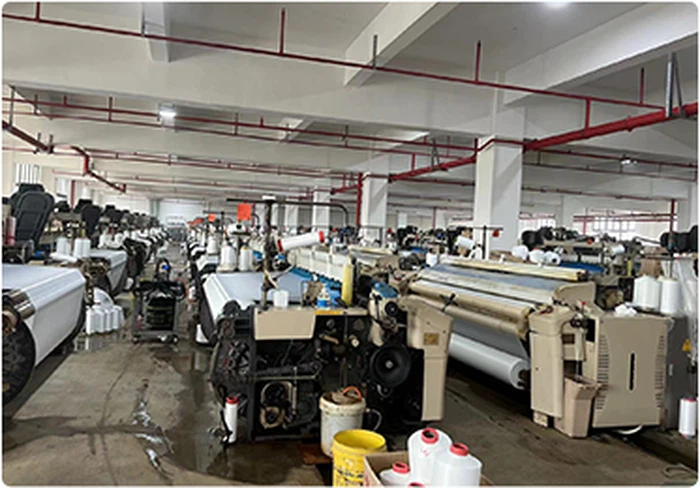
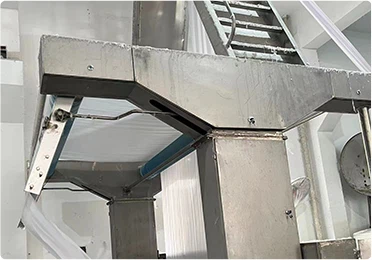
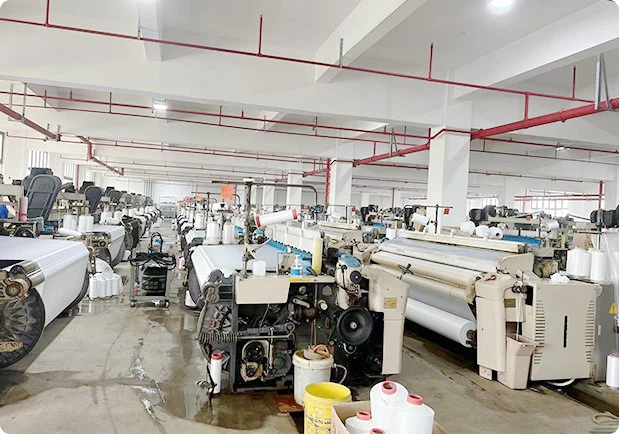
We have advanced equipment for production, including double point bonding machines, 400 rapier looms, 36 air jet looms, and 236 water jet looms. Our facilities also include 2 dye printing machines, 1 sizing set, and 3 warping machines.
Professional Services
We focus on controlling materials, ensuring quality, and meeting deadlines. We also provide shipping samples as needed.
Our Certificates
To support our growth in Southeast Asia, we have established a long-term office in Vietnam. Our company has passed ISO 9001, ISO 14001, and Oeko-Tex Standard certifications, demonstrating our commitment to quality and sustainability.
What is Bag Lining Fabric
Bag linings are a crucial part of any luxury bag. They play an important role in construction allowing the use of hidden reinforcements, internal pockets and of course protecting the contents of your bag.

Product Description Our 282 interlining is a heavier interlining suitable for some outdoor hats, bags, and shoes with strong wear resistance. Compared to our 252 interlinings, the 282 interlinings are made of a higher quality PA adhesive, while the 252 interlinings are made of PES adhesive....

Product Features Non-woven interlining fabric of W8025, This product uses a white glue dot double-point lining, which is the best kind of lining, its glue is visible one by one, and the glue is embedded in the lining and integrated with the lining, which is firmer and reliable on the clothing.
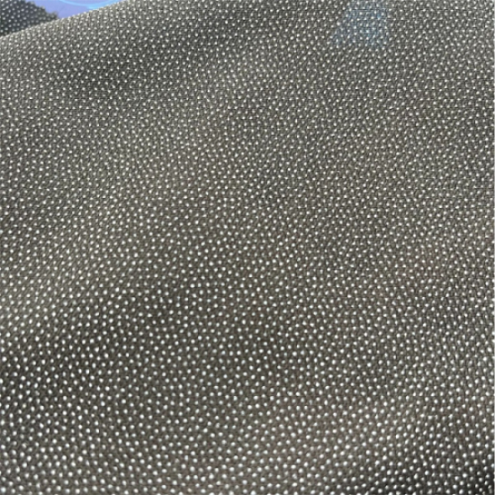
Product Features Woven waterjet interlining of 75D item used polyester yarn high-quality PA/PES good glue, the following is the method in the process of use, the processing method uses double-point coating, how to use: first cut the fabric and the lining just bought back to cut into the same.

Product Features The warp knitted interlining of this product is a double-sided elastic interlining, using PA/PES double point, the material is 100% polyester fiber, the weaving method of grey fabric is knitted, the product shrinkage is small, and it has excellent performance in color fastness...
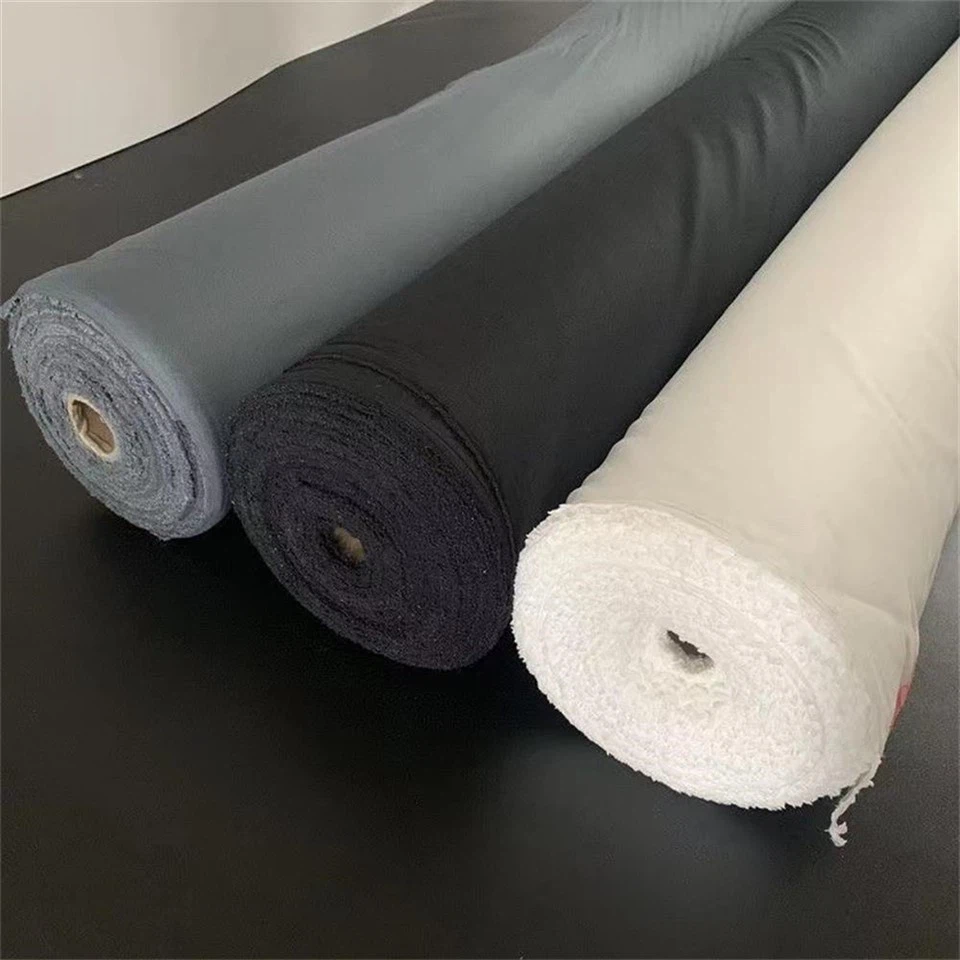
Product Features Elastic fusible interlining of 30D is a kind of lining coated with hot melt adhesive, which is one of the accessories often used in fabric production, and the adhesive lining is attached to the back of the fabric after heating and ironing. We use advanced equipment and the.

Product Description The W8864 interlining is a very popular product, which is mass-produced by our factory every day to ensure that our stock is sufficient to meet the needs of customers for quick shipment. The W8864 is also available in a variety of colors to give customers more choices. W8864...

Product Description HDPE hot melt glue is used in our company's T8035 interlining. This hot melt adhesive has several benefits and may be used for outdoor apparel, sports gear, and other things. This hot melt adhesive is harmless to humans, tasteless, compliant with environmental protection..

product features W1032 is a high-quality interlining, moderate weight, soft texture, and is a fully polyester weave lining. The interlining cloth is operated by a warp knitting machine, and the quality of the product is strictly controlled during operation to ensure the high quality of the final...

Product Description Our 282 interlining is a heavier interlining suitable for some outdoor hats, bags, and shoes with strong wear resistance. Compared to our 252 interlinings, the 282 interlinings are made of a higher quality PA adhesive, while the 252 interlinings are made of PES adhesive..
Types Of Bag Lining Fabric
Canvas For Handbag Lining Materials:
Before going into the complexities of canvas as a leather bag interior, it's essential to recognize its longstanding reputation as a durable and versatile fabric. With its tightly woven fibres, Canvas not only provides a robust foundation but also offers a canvas for creativity, thanks to its customizable nature.
Polyester For Handbag Lining:
Now, let's talk about polyester as a lining material. As a fabric, it is celebrated for its practicality and adaptability. With its lightweight yet durable properties, polyester has earned its place as a staple in fashion accessories.
Leather For Handbag Lining Materials:
Now, let's turn our attention to the embodiment of luxury: leather. Renowned for its timeless appeal and unparalleled quality, leather elevates handbags to new heights of sophistication and refinement.
Silk For Handbag Lining Materials:
It's impossible to talk about luxury without silk. It is a fabric synonymous with opulence and delicacy. With its softness and luminous sheen, silk bag linings embody the essence of luxury, elevating handbags to haute couture.
Vinyl For Handbag Lining:
Last but not least, we explore vinyl, a material valued for its practicality and resilience. With its water-resistant properties and diverse aesthetic options, vinyl offers a modern solution for fashion-forward individuals.
What Are Some Things To Consider When Choosing A Fabric For A Bag Lining Fabric
Some things to consider when choosing a fabric for bag lining include weight, breathability, absorbency, price, and durability.
Bag lining fabric is one of the most versatile and important materials used in the construction of all types of bags. It is used to line the inside of a bag and provide structure and support. The type of bag lining fabric you choose will depend on the type of bag you are making and the look you want to achieve.
There are many different types of fabrics that can be used for bag lining, but some of the most popular include:
Cotton
Cotton is a natural fiber that is soft and absorbent. It is often used in bags designed for carrying items like cosmetics or toiletries.
Linen
Linen is another natural fiber that is strong and durable. It is frequently used in bags intended for carrying heavier items like books or laptops.
Nylon
Nylon is a synthetic fiber that is lightweight and water-resistant. It is a good choice for bags that may get wet, such as beach bags or diaper bags.
Polyester
Polyester is a synthetic fiber that is strong and wrinkle-resistant. It is commonly used in travel bags or bags that need to be packed tightly.

●The lining pattern piece is the same size as the exterior piece, and the seam allowances are the same.
●The lining pattern piece was cut too large.
●The wrong seam allowance was used.
●The cotton lining stretched when interfacing was applied by ironing instead of pressing.
●The lining stretched when turning the bag.
●The lining fabric is heavy and "puddles" at the bottom.
●An incorrect interfacing or stabilizer was used, resulting in the lining not having enough body.
●The bag style does not necessarily need, require, or allow for a snug lining.
Materials Needed:
●Fabric or leather patch (matching the bag's interior)
●Fabric glue or leather adhesive
●Scissors
●Needle and thread (if sewing)
●Iron (for fabric lining, optional)
●Cleaning supplies (mild soap, cloth)
Steps to Repair:
Assess the Damage: Determine the extent of the damage to the lining. If it's a small tear, a patch might suffice. If it's more extensive, you may need to replace the entire lining.
Clean the Area: Use a mild soap solution and a cloth to clean the area around the damage. This ensures proper adhesion and prevents dirt from being trapped under the repair.
Cut the Patch: If using a patch, cut it to size. It should be slightly larger than the damaged area to ensure a secure hold.
Adhere the Patch:
For Fabric Lining: Apply fabric glue to the back of the patch and press it onto the damaged area. You can use an iron on a low setting to help set the glue if the material allows it.
For Leather Lining: Use leather adhesive for a stronger bond, applying it to both the patch and the bag's lining before pressing them together.
Sewing (Optional): For added durability, especially if the lining is frequently used, consider sewing the patch in place. Use a needle and thread that matches your lining color.
Let it Dry: Allow the adhesive to cure completely according to the manufacturer's instructions before using the bag again.
How to Clean Purse Lining
Cleaning the lining of your designer bag requires careful attention and consideration of the material it's made from. Here's a general guide on how to clean different types of purse linings:


A. Fabric Lining:
●Empty the contents of the purse and turn it inside out.
●Use a lint roller or vacuum cleaner with a brush attachment to remove loose dirt, dust, and debris from the fabric lining.
●Mix a small amount of mild detergent with lukewarm water.
●Dip a soft-bristled brush or cloth into the soapy water and gently scrub the fabric lining in circular motions, focusing on any stains or soiled areas.
●Rinse the lining thoroughly with clean water to remove any soap residue.
●Blot the lining with a clean, dry cloth to absorb excess moisture.
●Allow the purse to air dry completely before turning it right side out and using it again.
Tips for Cleaning Fabric:
●Start by vacuuming or using a lint roller to remove any loose dirt or debris.
●Mix a small amount of gentle detergent with warm water and use a soft-bristled brush to gently scrub the interior.
●Rinse the interior with clean water and blot dry with a lint-free cloth.
●Avoid using harsh chemicals or bleach, as they can damage the fabric fibers.
●Allow the interior to air dry completely before using or storing the bag.
B. Leather Lining:
●Use a dry, soft-bristled brush to remove any loose dirt or debris from the leather lining.
●Dampen a soft cloth with lukewarm water and gently wipe down the leather lining to remove surface stains or dirt.
●For stubborn stains, use a leather cleaner specifically formulated for the type of leather used in the lining. Follow the manufacturer's instructions carefully.
●After cleaning, wipe the leather lining with a dry cloth to remove any excess moisture.
●Allow the purse to air dry naturally, away from direct heat or sunlight, to prevent damage to the leather.
Tips for Cleaning Leather:
●Use a gentle leather cleaner specifically formulated for the type of leather used in your bag.
●Apply the cleaner to a soft cloth or sponge and gently wipe the interior of the bag in a circular motion.
●Avoid using excessive water or soaking the leather, as it can cause damage or discoloration.
●For stubborn stains, use a leather conditioner or saddle soap to help lift the stain without drying out the leather.
●Once cleaned, allow the interior to air dry naturally, avoiding heat sources or direct sunlight.
C. Suede Lining:
●Use a suede brush or eraser to gently remove dirt and stains from the suede lining.
●Avoid using water or liquid cleaners on suede, as they can cause water spots or discoloration.
●For stubborn stains, use a suede-specific cleaner or try gently rubbing the stain with a white vinegar solution.
●Allow the suede lining to air dry naturally, then brush it with a suede brush to restore the nap.
Tips for Cleaning Suede:
●Use a suede brush or eraser to gently remove dirt and stains from the suede interior.
●Avoid using water or liquid cleaners on suede, as they can cause water spots or discoloration.
●For stubborn stains, use a suede-specific cleaner or try gently rubbing the stain with a white vinegar solution.
●Allow the suede interior to air dry naturally, then brush it with a suede brush to restore the nap.
D. Silk or Satin Lining:
●Spot clean any stains on the silk or satin lining with a small amount of mild detergent mixed with lukewarm water.
●Use a soft-bristled brush or cloth to gently scrub the stained areas.
●Rinse the lining thoroughly with clean water to remove any soap residue.
●Blot the lining with a clean, dry cloth to absorb excess moisture.
●Allow the purse to air dry completely before using it again, taking care not to wrinkle or crease the delicate fabric.
Specific Instructions for Delicate Fabrics or Exotic Leathers:
●Delicate fabrics like silk or satin require extra care. Spot clean with a mild detergent and water solution, then blot dry with a clean cloth.
●Exotic leathers such as python or alligator should be cleaned with a specialized leather cleaner designed for exotic skins. Follow the manufacturer's instructions carefully to avoid damage.
●For delicate or exotic materials, it's best to consult a professional cleaner experienced in handling such materials to ensure proper care and maintenance.
Our Factory
Our company covers an area of thirty three thousand square meters,the registered capital is 50million,the total assets reaches 120 million.the sales volume in 2014 reached 130 million .The company has 3 sub-branches, which are lining cloth factories, fabric factories and rubber powder factories,covers of thirty thousand square meters of office building and workshop,about 216 employees,including 30 management personnel,40 professional and technical personnel.In 2017, the company specially deployed personnel to establish a long-term office in Vietnam to lay a solid foundation for the future expansion of Southeast Asian business.we has already passed ISO9001,ISO14001 and Oeko-Tex Standard.

FAQ
Q: What kind of fabric to use for bag lining?
Q: What is the most common lining material?
Q: What factors to consider when choosing a lining for a garment?
Q: Can I use the same fabric for lining?
Q: Is lining fabric breathable?
Q: Should you Prewash lining fabric?
Q: What color should lining be?
Q: How do you clean the lining of a bag?
Q: Why are bags lined?
Q: How do you get the smell out of a purse lining?
Hot Tags: bag lining fabric, China bag lining fabric manufacturers, suppliers, factory, uniform interlining, lining fabric supplier, french interlining, choir wear lining fabric, thick lining fabric, sample interlining