


Why choose us
Our Products
Our company specializes in various garment fusible interlinings. We offer a range of products, including cotton and polyester interlinings, woven interlinings, collar interlinings, low-elasticity spray linings, and silk linings.
Professional and Complete Equipment
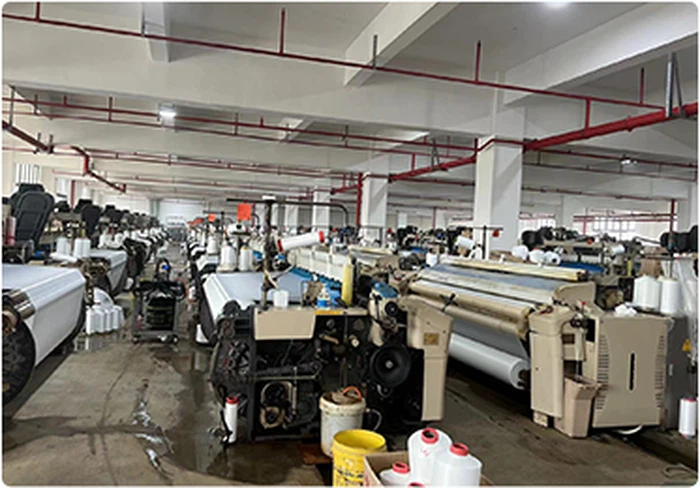
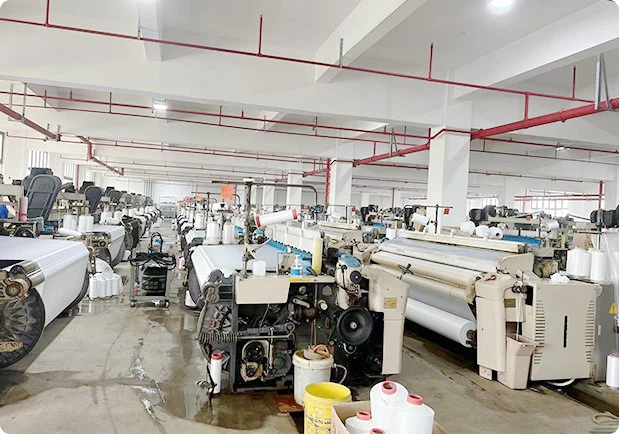
We have advanced equipment for production, including double point bonding machines, 400 rapier looms, 36 air jet looms, and 236 water jet looms. Our facilities also include 2 dye printing machines, 1 sizing set, and 3 warping machines.
Professional Services
We focus on controlling materials, ensuring quality, and meeting deadlines. We also provide shipping samples as needed.
Our Certificates
To support our growth in Southeast Asia, we have established a long-term office in Vietnam. Our company has passed ISO 9001, ISO 14001, and Oeko-Tex Standard certifications, demonstrating our commitment to quality and sustainability.
What is Fabrics For Clothing Lining
Lining fabric is a thin layer of material that is used to cover the interior of clothing items.
It is often constructed of a silky, thin cloth that is sewed inside the garment to improve the fit, comfort, and look of the garment.

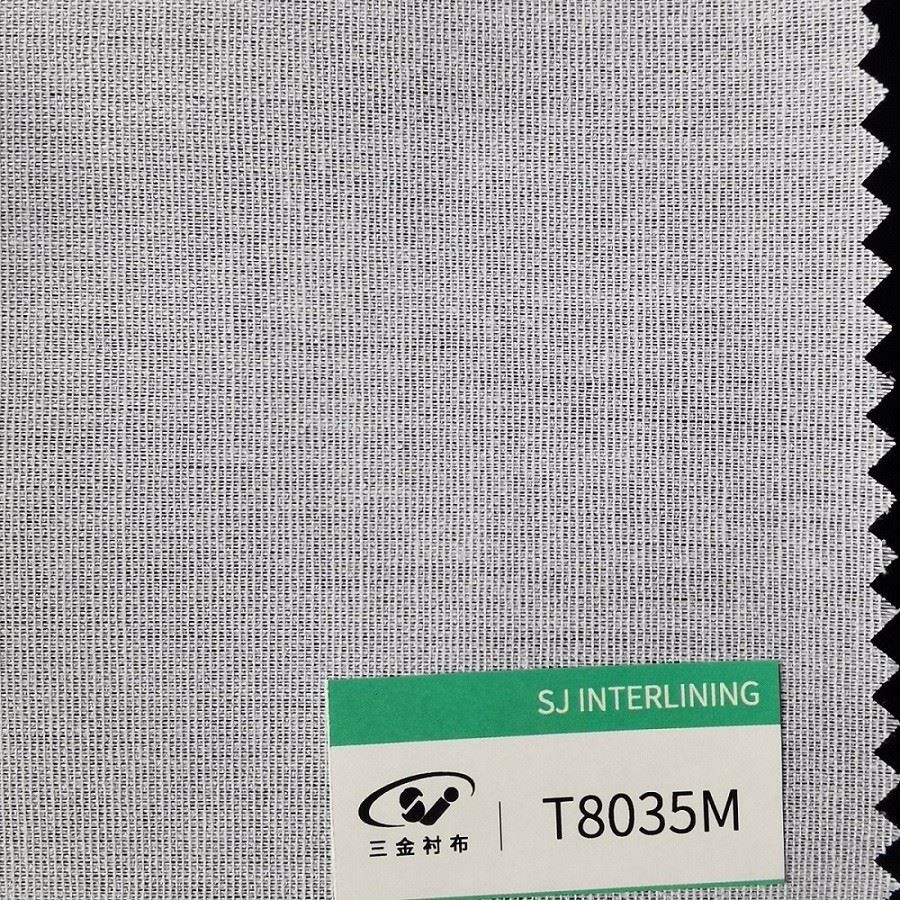
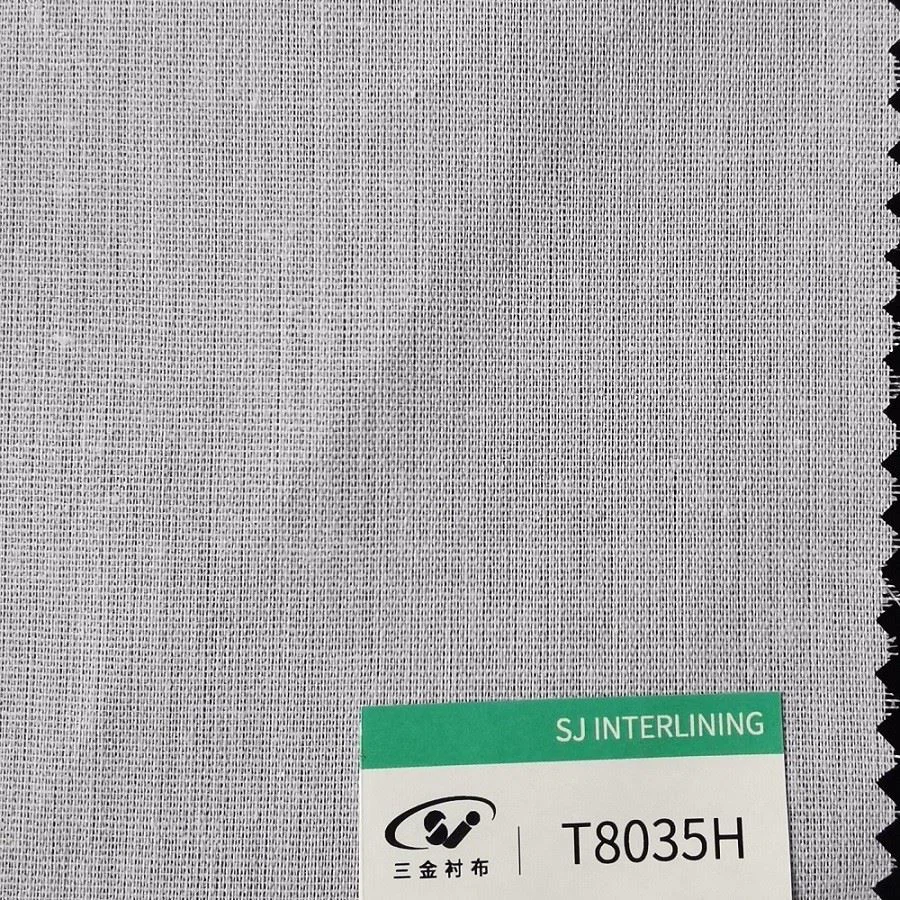
Product Description HDPE hot melt glue is used in our company's T8035 interlining. This hot melt adhesive has several benefits and may be used for outdoor apparel, sports gear, and other things.
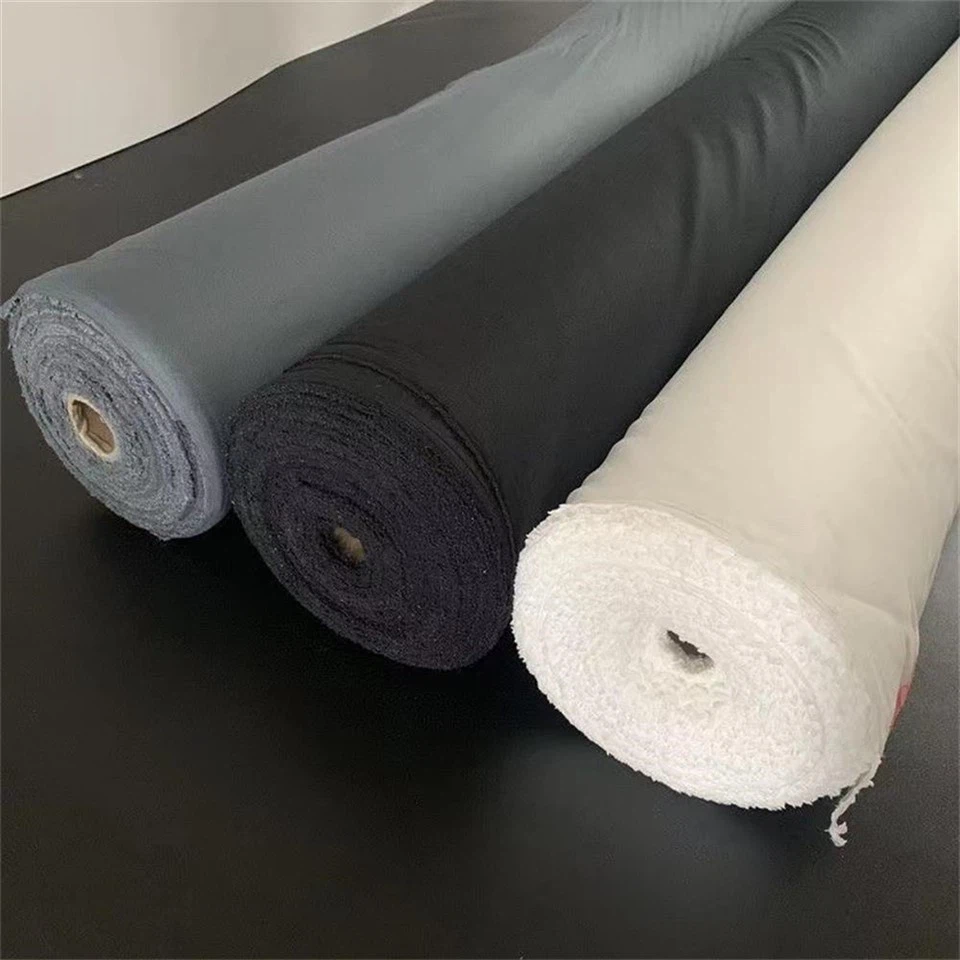
Product Features Elastic fusible interlining of 30D is a kind of lining coated with hot melt adhesive, which is one of the accessories often used in fabric production, and the adhesive lining is attached to the back of the fabric after heating and ironing. We use advanced equipment and the.

Product Description The W8864 interlining is a very popular product, which is mass-produced by our factory every day to ensure that our stock is sufficient to meet the needs of customers for quick shipment.

Product features W1032 is a high-quality interlining, moderate weight, soft texture, and is a fully polyester weave lining. The interlining cloth is operated by a warp knitting machine, and the quality of the product is strictly controlled during operation to ensure the high quality of the final.

Product Description Our 282 interlining is a heavier interlining suitable for some outdoor hats, bags, and shoes with strong wear resistance. Compared to our 252 interlinings, the 282 interlinings are made of a higher quality PA adhesive, while the 252 interlinings are made of PES adhesive.
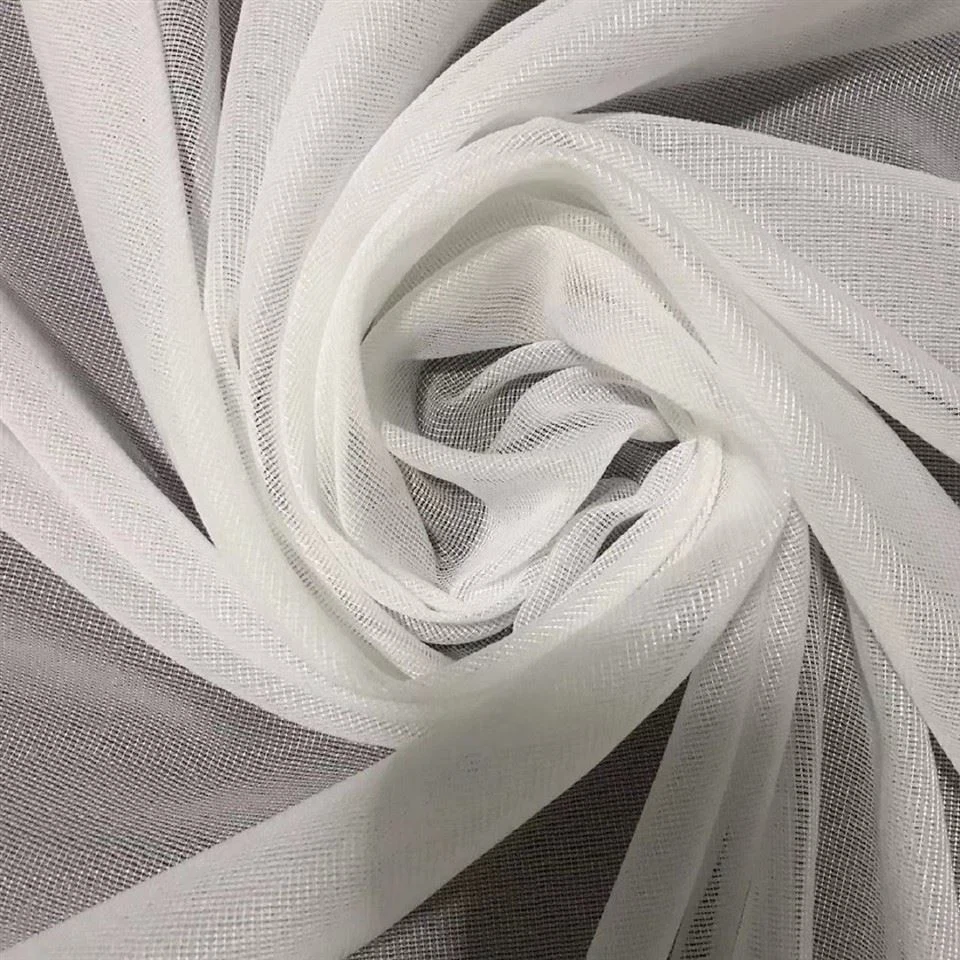
Product Description 252 Interlining is a lightweight lining material with a slightly elastic, variable bend, suitable for use as a hat lining to fix the hat's shape. The characteristics of this interlining, in addition to its lightweight, soft, elastic, and resistant to low temperature, no.

Product features Interfacing fabric fusible interlining of T4550H product, the high-quality base cloth is used and coated with the upper layer of HDPE glue powder, which has excellent adhesion and is easy to iron in the process of use. The texture is clear, and the stiffness is also enough to.

Ining Interlining Facing Interfacing
With a low formaldehyde content of less than 75ppm and shrinkage rate of less than 2%, our W5850 lining fabric model is a safe and reliable choice for environmentally conscious consumers.

The 200D Water Jet Lining Cloth has superior adhesion, providing a tight bond to the fabric without any leakage of glue. This results in an unparalleled level of durability that is resistant to washing, which makes it perfect for everyday use.
Benefits of Fabrics For Clothing Lining
Enhanced Comfort
High-quality lining fabrics ensure that your clothing remains comfortable to wear. It prevents itching or discomfort that may arise from direct contact with the outer fabric. Lining fabrics like silk, cotton, and are known for their soft, smooth, and breathable properties, enhancing the overall comfort of your garments.
Improved Durability
Durability is a critical aspect of any clothing piece. The right lining fabric can significantly extend the lifespan of your clothing. It provides extra protection to the outer fabric, reducing wear and tear. Durability is especially vital in tailored clothing like blazers, where a stable lining can help maintain the garment's shape over time.
Shape Retention
Lining fabrics help maintain the shape and structure of your clothing. They prevent sagging or stretching, ensuring that your garments look as good as new even after repeated wear. This is particularly important in items like suits, dresses, and jackets, where a well-maintained shape is essential.
Moisture Management
In outerwear, such as jackets and coats, moisture management is crucial. Lining fabrics can help wick away moisture and keep you dry, making them ideal for outdoor or active wear. Fabrics like are designed for insulation and moisture resistance, making them valuable additions to winter clothing.
Opacity
For clothing made from translucent or light-coloured outer fabrics, lining fabrics play a pivotal role in maintaining opacity. Choosing the right lining color that closely matches the outer fabric ensures that your clothing remains discreet and avoids unwanted see-through effects.
Tailoring and Fit
Quality lining fabrics enhance the overall fit and tailoring of your garments. They allow for smoother and easier movement, making fitted clothing more comfortable to wear. The stretch and flexibility of certain lining fabrics contribute to a better fit, ensuring that your clothing moves with you.
Professional Finish
Finally, using the best lining fabrics elevates the professional finish of your clothing. The quality of your lining is often a reflection of the overall quality and attention to detail of your garment. It's the finishing touch that sets apart a well-constructed piece from a mediocre one.
Ensures Easy Layering
For jackets and coats, a well-chosen lining fabric enables these outerwear pieces to effortlessly slide over other layers of clothing, providing a seamless and hassle-free dressing experience.
Different Types Of Lining Fabrics
Rayon Lining
Rayon lining is completely breathable and static-free. It's comfortable to wear and provides smooth fabric at an affordable price. Rayon lining has many benefits, including high water absorbency and good stain resistance. However, it does have some disadvantages, such as losing strength when wet.
Polyester Fabric
Polyester fabric is lightweight and allows garment manufacturers to create a variety of products. It is comfortable and easy to wear, making it a preferred choice for many garment manufacturers. Although polyester is a synthetic material, it is suitable for the fashion industry due to its durability.
Silk Lining
There are different types of silk lining fabrics available in the market, offering a variety of color options and a luxurious feel. Chinese silk is lightweight and resistant to water and chemicals, making it a popular choice. Its stretchability adds to its comfort.
Printed Lining
The market offers various types of printed lining. You can check online to find different printed lining options. Prices vary based on quality and manufacturer. It's advisable to analyze and research manufacturers to choose the best quality polyester fabric at the best price.
Lightweight Cotton
Lightweight cotton fabrics, known as lawn, voile, and baptiste, are used to make exclusive summer dresses. There are many types of lightweight cotton products available, and you can choose according to your needs. Polyester lining is also popular in the textile industry due to its long-lasting durability and good absorption properties.
Stretch Lining
Stretch lining is comfortable and easy to wear. You should choose the best type of stretch lining based on your needs. Many clothing manufacturers prefer polyester for its durability and affordability. Stretch lining is commonly used in designing garments and hats.
Satin Lining
Satin lining can be made from various fibers, including rayon and silk. It adds texture to coats and comes in different types. If you need bulk polyester fabric lining for your company or eCommerce site, select a reputable manufacturer with proper tools and machinery. A good manufacturer will provide high-quality products that last long.
Polyester Lining
Polyester lining fabric is strong and has excellent elasticity and flexibility. It resists wrinkles and is highly durable. Many people prefer polyester lining because it is easy to wash and cost-effective. However, it does not absorb sweat and is anti-static. It is also resistant to water and chemicals, making it a popular choice.
How Do I Choose the Best Lining Fabric?
Outerwear: For jackets and coats, consider linings that provide warmth and comfort, such as polyester, silk, or satin.
Dresses and Skirts: Lightweight fabrics like cotton, rayon, or silk can enhance drape and comfort.
Casual Wear: For casual garments, cotton or a cotton blend may be suitable.
Lightweight Fabrics: Use for flowy garments (e.g., chiffon, lightweight cotton).
Medium Weight: Good for structured garments (e.g., cotton sateen, silk).
Heavyweight: Suitable for outerwear and structured pieces (e.g., canvas or twill).
Natural fibers (cotton, linen) are breathable and comfortable against the skin.
Synthetic fibers (polyester, nylon) can be less breathable but may add durability and moisture-wicking properties.
Consider how the lining will interact with the outer fabric. Silks and satins can be slippery, while cotton may provide more grip, affecting how the garment moves.
Check the washing instructions. Some fabrics may require dry cleaning, while others are machine washable.
Choose a lining that complements the care needs of the outer fabric.
The lining can be a contrasting color or pattern to add interest, or a subtle complementary shade for a more cohesive look.
Consider how the lining will look when the garment is worn, especially if it may be visible.
Budget can influence your choice. Natural fibers like silk can be more expensive than synthetic options.
1Ensure the fabric is readily available in your desired quantity.
If sustainability is important to you, look for eco-friendly fabrics or those made from recycled materials.
When You Line an Item
Lining a jacket means sewing an extra layer. The lining protects the item and adds weight and structure. Since the lining is a separate piece, you can easily replace, alter, or fix it.
Sewing a lining makes the item stronger and more durable. It also provides additional warmth. By adding this layer, you protect the inside of the garment and improve its fit. The style and structure of the item will change with the added weight of the lining. Overall, a lined garment typically fits better than one without a lining. Additionally, clothing lined will crease less easily.
When You Don't Line an Item
If you don't line the garment, it lacks a second layer, making it cooler-an excellent choice for warm days, such as with cotton jackets. Without an inside lining, the item is lighter, which is a definite advantage for summer linen pieces, as they are cooler and require less sewing. The fit of an unlined garment tends to be more casual and comfortable.
Lining in garment are used for various functional and aesthetic purposes. It enhances the structure and drape of a garment, providing it with shape, stability, and a polished finish. Lining also help to the overall comfort and wearability of clothing by preventing the outer fabric from clinging to the body and minimizing irritation caused by seams or rough materials. It is important that the lining be the same weight or a lighter weight and softer than the fashion fabric so that it does not dominate the garment. Lining fabric should be preshrunk before using.
10 Top Tips for Sewing with Lining Fabrics
Choose the Right Lining Fabric: Select a lining fabric that complements your main fabric in terms of weight, drape, and color. Common lining fabrics include silk, polyester, rayon, and acetate. Ensure the lining fabric is suitable for the intended use of the garment. Check out our lining collection to find the perfect match for your project.
Pre-Wash or Pre-Treat the Lining Fabric: It's a good practice to pre-wash or pre-treat the lining fabric before sewing to account for any potential shrinkage.
Use a Sharp Needle: When sewing with lining fabric, it's important to use a sharp needle. A fresh needle will ensure clean and precise stitching without damaging the delicate fabric.
Pin and Cut with Precision: Pin the lining fabric carefully to the pattern pieces and cut accurately. Since lining fabric is usually slippery, using pattern weights or a fabric stabilizer can help keep everything in place during cutting. A rotary cutter can be particularly helpful for cutting linings.
Reduce Fraying: Lining fabrics tend to fray easily. To minimize fraying, consider using pinking shears, applying a fabric fray inhibitor, or using a serger/overlocker to finish the raw edges.
Use a Lightweight Thread: Opt for a lightweight thread when sewing with lining fabric. A fine polyester or silk thread will help prevent bulkiness and ensure smooth seams.
Take Extra Care with Pressing: Test the iron temperature on a scrap piece of lining fabric before pressing. Some lining fabrics are heat-sensitive and can melt or scorch. Use a pressing cloth or press from the wrong side to avoid damage.
Trim Seam Allowances: To reduce bulk, trim the seam allowances in the lining fabric. However, be cautious not to cut too close to the stitching, as this may weaken the seams.
Understitching for a Neat Finish: Understitching is a technique where the lining is stitched close to the seam allowances, helping the lining fabric stay in place and not peek out. It also provides a clean and professional finish.
Test and Adjust: Before sewing the actual garment, it's always a good idea to make a test garment or sew a small sample to ensure the fit and construction techniques work well with the lining fabric.
Our Factory
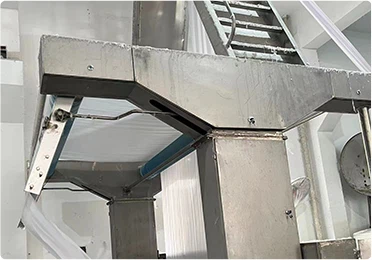
Our company covers an area of thirty three thousand square meters,the registered capital is 50million,the total assets reaches 120 million.the sales volume in 2014 reached 130 million .The company has 3 sub-branches, which are lining cloth factories, fabric factories and rubber powder factories,covers of thirty thousand square meters of office building and workshop,about 216 employees,including 30 management personnel,40 professional and technical personnel.In 2017, the company specially deployed personnel to establish a long-term office in Vietnam to lay a solid foundation for the future expansion of Southeast Asian business.we has already passed ISO9001,ISO14001 and Oeko-Tex Standard.

FAQ
Q: What fabric to use for lining clothes?
Q: Can I use the same fabric for lining?
Q: What is lining fabric made of?
Q: Why do you need lining fabric?
Q: What should you consider when choosing lining fabric?
Q: What is the most common lining material?
Q: What is the difference between lining fabric and interfacing?
Q: Which cloth is better for lining?
Q: What fabric should lining be?
Q: What fabric to use for lining clothes?
Hot Tags: fabrics for clothing lining, China fabrics for clothing lining manufacturers, suppliers, factory, casualwear interlining, clothing interlining, textured interlining, soft interlining, checkered interlining, innerwear interlining