


Why choose us
Our Products
Our company specializes in various garment fusible interlinings. We offer a range of products, including cotton and polyester interlinings, woven interlinings, collar interlinings, low-elasticity spray linings, and silk linings.
Professional and Complete Equipment
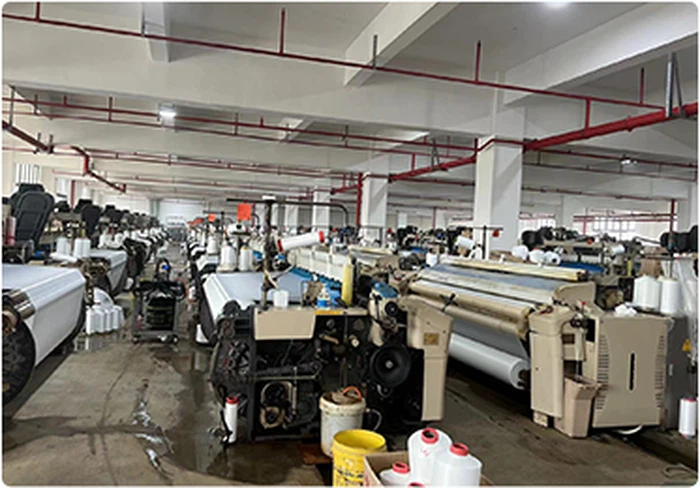
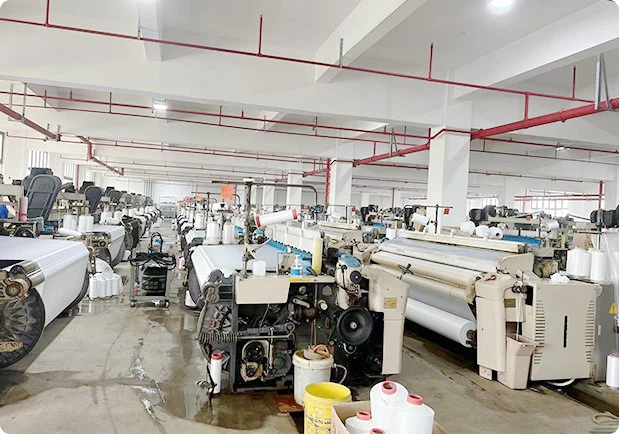
We have advanced equipment for production, including double point bonding machines, 400 rapier looms, 36 air jet looms, and 236 water jet looms. Our facilities also include 2 dye printing machines, 1 sizing set, and 3 warping machines.
Professional Services
We focus on controlling materials, ensuring quality, and meeting deadlines. We also provide shipping samples as needed.
Our Certificates
To support our growth in Southeast Asia, we have established a long-term office in Vietnam. Our company has passed ISO 9001, ISO 14001, and Oeko-Tex Standard certifications, demonstrating our commitment to quality and sustainability.
What is Pique Cloth
Pique is a knit-like fabric featuring a pattern texture similar to a honeycomb, also cord, waffle, and birds eye structure are equally common. Yet, this type of texture is rather subtle and you can see it only up close. The manufacturing process that creates texture is slightly different than the regular one as it adds depth to the basic fabric.

Mesh fabric in the weaving process to ensure high strength and durability. Its compact structure, not easy to break, tear or deformation. This makes it an ideal choice for making rugged, durable sporting goods and outdoor equipment.
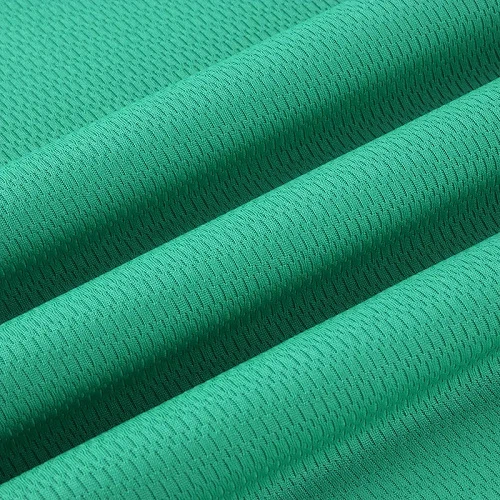
This unique fabric is resistant to static electricity, tearing, bacteria, and is absorbent to sweat while quick-drying. It has anti-wrinkle properties, is durable and breathable, and does not conduct electricity.

Our company sells a wide range of high quality mesh fabrics with different hole positions and elasticity. These mesh cloths are ideal for various uses such as outdoor clothing because they are extremely breathable.
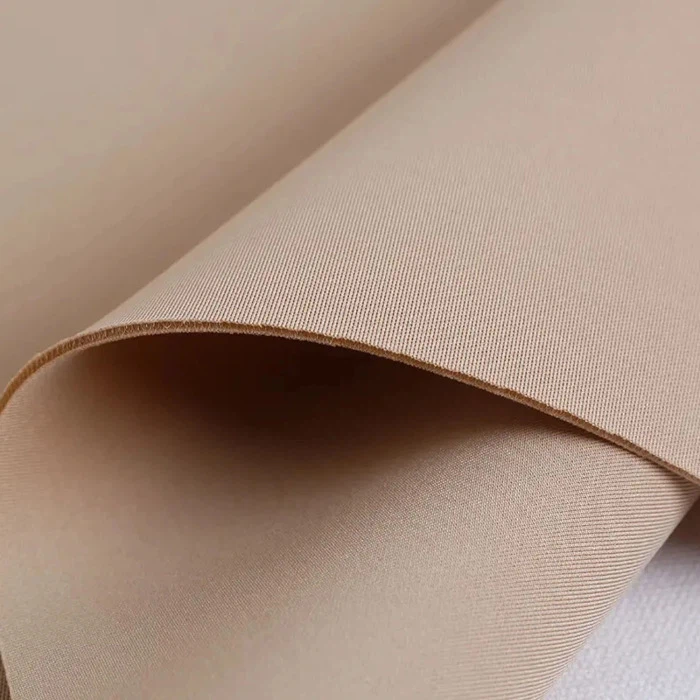
Air layer fabric has the following characteristics: Soft and smooth Selected high-quality raw materials, the cloth surface feels silky and smooth in strict environmental protection dyeing and finishing feeding, more healthy and environmentally friendly.
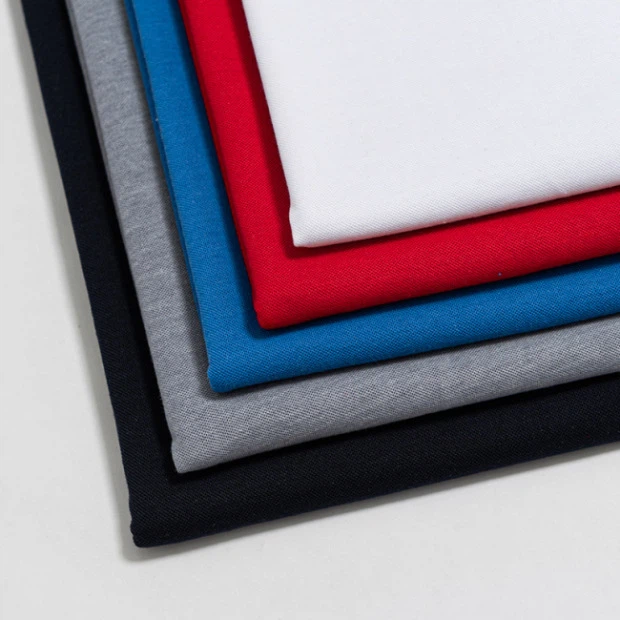
This fabric has many special product features. The color fastness of bead floor cloth is extremely high, whether in daily life or after many times of washing, its color can maintain the stability of color.

Polyester Tricot Warp Knit Fabric
One of the main features of polyester tricot warp knit fabric is its strength and durability. It is known for its resistance to tearing, abrasion and pilling, making it an ideal choice for high-wear applications such as sportswear, active wear, and outdoor apparel.
Advantages of pique fabrics
There are many advantages to choosing pique fabric over standard or classic jersey fabric. We'll talk about a few of these advantages here, so you can start to think whether pique fabric is the right choice for your garments or merchandise.
Advantage 1: One of the main side-effects of using the dobby loom attachment, is that the shirt is instantly more breathable because of the kind of weave it produces. Because the weave is airy, and gives the wearer additional ventilation – it's a great choice for summer t shirts and shirts for summer sports. For outdoor sports such as golf (for example) where the wearer will be outdoors in the heat, a nicely ventilated pique shirt can make a big difference in how comfortable the wearer feels.
Advantage 2: The type of weave / knit for pique shirts tends to look slightly more formal that ordinary jersey. This is a great advantage is that aesthetic aligns with your product or brand. Also, more formal shirts tend to retail for more money – meaning the profit on pique shirts could be higher.
Advantage 3: Pique shirts are very durable, which means they last extremely well. This is a big advantage because it gives your customer a long-lasting and high quality product, that will stand the test of time.
Advantage 4: They show less sweat. Why? We think it's because of the texture and weave, but somehow pique shirts tend to disguise sweat better than standard jersey counterparts. For most wearers, this will be a huge benefit and a reason to opt for pique above another materials – especially in the hotter months of the year.
Common Uses of Pique Fabric
Pique fabric is used in a wide variety of garments and accessories for both men's and women's fashion. Here are some common uses for pique fabrics:
Polo Shirts
Pique fabric is a popular choice for polo shirts because of its comfort, breathability, and stylish appearance. Pique polo fabrics are available in a variety of colors and styles.
Dresses
Pique fabrics are used for dresses and skirts, especially in summer designs. The quilted texture adds a touch of sophistication to these garments.
Suits and Jackets
Pique fabric is also used for suits and jackets, particularly for summer styles, as it offers a fresh and elegant option for formal occasions.
Accessories
Pique fabric is used in accessories such as ties, scarves, and handbags, giving these items a unique and sophisticated character.
What are the types of pique fabrics?
Pique fabrics are known for their unique texture and versatility. Did you know that there are different types of pique fabric available? Every type of fabric has a unique texture and design.
These are the most common types of pique textiles.


Baby pique
This pique textile is soft, lightweight, and mainly made of cotton and polyester blends. To create this type of fabric, makers use a special loom called a dobby loom and knit it with delicate ribbing patterns.
The fabric has parallel cords running along its length, making it feel breathable and comfortable.
It is ideal for baby clothes like onesies, rompers, and dresses because it has a smooth texture that's perfect for hot summer days.
Double pique
Double pique knit is a heavier type of pique compared to the regular one. It is typically used to create shirts, dresses, and skirts. The weaving of two fabric layers together makes its surface look textured.
This type of pique is the most affordable of all types because of the method used to make it. Expensive threads are fused with less expensive threads, resulting in a decrease in production expenses.
Despite this, it still offers an aesthetic appearance without sacrificing quality.
French pique
French is a premium type of pique textile crafted from long-staple cotton fibers. It is famous for its silky feel, durability, and excellent draping abilities. In making this, the ribbed texture of the fabric is lifted, creating a diamond shape that is nice to touch.
French pique is perfect for making blouses, knit skirts, and shirt dresses and can be worn comfortably at any time. Moreover, this fashion apparel has moisture-wicking properties, which enhance its versatility. Unlike double-knit pique, this one is expensive.
Micro pique
This type of pique has a smooth and silky texture due to the use of fine yarns. Micro pique is made from polyester and is designed to absorb sweat from the skin. This makes it ideal for athletic clothing such as golf shirts and tennis skirts.
If you use micro pique textile, you should know that stitching can be challenging due to its fussy nature. It is recommended to use a simple design to avoid tangling problems after sewing.
Swiss pique
Swiss pique is a high-quality fabric. It's made from solid cotton fibers that are woven tightly together. This cloth looks like a honeycomb and is made by weaving and knitting. It is stretchy and bouncy, but you must be careful when washing it or it might get messed up.
Is there any grammatical error in this passage? Is it a literal translation from Chinese to English? If there are any errors, please correct the grammar without changing the original mea
Pique fabric is mostly made of cotton, sometimes blended with polyester. But nowadays pique fabric is often made of 100% polyester with quick-dry feature. The cotton gives the fabric the perfect amount of softness and breathability. It also makes the fabric an ideal material for warm climates. It is called 'pineapple fabric' due to its special texture.
Pique Fabric Manufacturing Process
The manufacturing process of pique fabric involves classic processes. For instance, mercerization, dyeing, and finishing. An effective compaction is performed with a rubber belt and machines, and cylinder steaming at the entrance level.

Caring for Pique Fabric
To maintain pique fabrics' beauty and longevity requires specific care guidelines. However, sheen pique is relatively easier to keep clean due to its properties. Care instructions should be followed diligently since they may alter from one type of pique textile to another depending on fiber content.
Generally though cotton piques are safe for machine washing using warm water along-side gentle setting Achromatic conditioners and bleaches can protect cooler shade and texture fabrication Dryer should be turned off while it still retains some moisture thus prevent-inn creases then dried under sun out side properly.
Synthetic or blended piques may demand a different treatment. Most times, these materials can be subjected to a normal wash cycle, but there are specifics that you must consider about the garment. For example, some synthetic piques may become damaged by heat, which requires a lower temperature setting for washing and drying.
All pique fabrics should be ironed with caution, irrespective of the type. The suggested temperatures range between low to moderate when ironing this material, and in order to maintain its textured surface, you better iron on the reverse side. Properly maintained, pique clothing items and textiles can retain their originality for longer periods.
Pre-Wash: Before sewing, it is essential to pre-wash pique fabric to prevent shrinkage.
Use a Sharp Needle: Use a sharp, lightweight needle when sewing with pique fabric to avoid snagging the threads.
Cutting
When cutting pique fabric, use a rotary cutter or very sharp scissors to ensure clean edges.
Walking Foot
It is recommended to use a walking foot when sewing with pique fabric to prevent puckering or stretching.
Ironing
To maintain the textured appearance of pique fabric, avoid using high heat while ironing.
Sustainability of Pique Fabric
In an era where environmental considerations are paramount, evaluating the sustainability of fabrics like pique is essential. Here's a look at various factors that contribute to the eco-friendliness of pique fabric:
Natural Fibers: Pique fabric is often made from cotton, a natural and renewable resource. When cotton decomposes, it does so naturally, minimizing environmental impact. The key to its eco-friendliness lies in sourcing-cotton grown under sustainable practices, such as organic farming methods or reduced water usage, enhances the environmental appeal of pique fabric.
Recycled and Organic Options: The move toward sustainability has prompted some manufacturers to offer pique fabrics made from recycled or organic cotton. Recycled cotton, sourced from pre-consumer or post-consumer waste, helps lessen the demand for new resources and reduces landfill waste. Organic cotton, cultivated without harmful pesticides, supports healthier soil and ecosystems, marking a stride toward a greener apparel industry.
Blends and Synthetic Fibers: While traditionally made from natural fibers like cotton, pique fabric can also incorporate synthetic materials like polyester. Though these synthetics are derived from petroleum, a non-renewable source, advancements such as recycled polyester present a more environmentally friendly alternative.
Dyes and Chemicals: The production of pique fabric involves dyeing and finishing processes that can impact the environment. Conscious manufacturers are increasingly using eco-friendly dyes and adopting processes that reduce the use of hazardous chemicals, prioritizing water and energy conservation.
Durability and Longevity: An often-overlooked aspect of sustainability is the product's lifespan. Pique fabric is known for its durability, which translates to longer-lasting garments. This reduces the frequency of replacement and, consequently, the environmental impact of production and disposal.
Our Factory
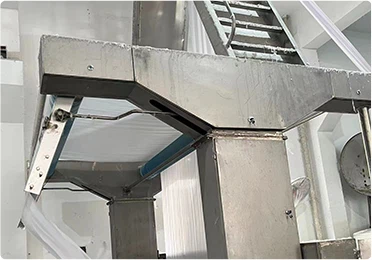
Our company covers an area of thirty three thousand square meters,the registered capital is 50million,the total assets reaches 120 million.the sales volume in 2014 reached 130 million .The company has 3 sub-branches, which are lining cloth factories, fabric factories and rubber powder factories,covers of thirty thousand square meters of office building and workshop,about 216 employees,including 30 management personnel,40 professional and technical personnel.In 2017, the company specially deployed personnel to establish a long-term office in Vietnam to lay a solid foundation for the future expansion of Southeast Asian business.we has already passed ISO9001,ISO14001 and Oeko-Tex Standard.

FAQ
Q: How do you identify pique fabric?
Q: Does pique fabric shrink?
Q: Is pique fabric good for summer?
Q: What are the benefits of pique fabric?
Q: What is the difference between pique and jacquard?
Q: How to care for pique fabric?
Q: What are the characteristics of pique fabric?
Q: Is pique fabric breathable?
Q: What is the difference between pique and Pima cotton?
Q: How many types of pique fabric are there?
Q: What is mini pique fabric?
Q: How to care for pique fabric?
Q: How to identify pique fabric?
Q: What does pique cotton feel like?
Hot Tags: pique cloth, China pique cloth manufacturers, suppliers, factory, knitted fabric for finishing, knitted gabardine fabric, knitted herringbone fabric, single knitted fabric, lightweight knitted fabric, knitted fabric for promotional items