

Hey there! As a hat lining supplier, I often get asked a bunch of questions about our products. One of the most common queries I hear is, "Can hat lining be dyed?" Well, let's dive right into this topic and find out.
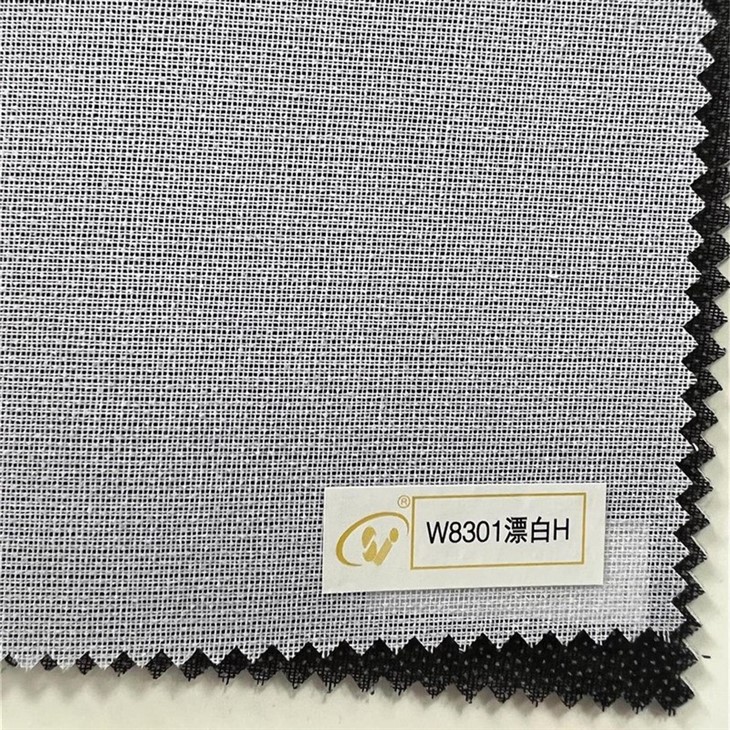
First off, it's important to understand what hat linings are made of. We offer a variety of hat linings, like the Bonded Interlining Fabric By Polyester. This type of lining is made from polyester, which has its own characteristics when it comes to dyeing. Polyester is a synthetic fiber, and compared to natural fibers, it has a different reaction to dyes.
When it comes to dyeing polyester hat linings, it's not as straightforward as dyeing natural materials like cotton. Polyester has a tight molecular structure, which means that regular fabric dyes might not work as effectively. You need to use special dyes formulated for synthetic fibers. These dyes are designed to penetrate the polyester molecules and bond with them, creating a long - lasting color.
Another type of hat lining we have is the Hard Hat Lining. Hard hat linings can be made from different materials, and the dyeability depends on what they're composed of. Some hard hat linings are made from a combination of materials, and each component might react differently to dyes.
If the hard hat lining has a significant portion of natural fibers, it'll be relatively easier to dye. You can use regular fabric dyes that are suitable for those natural fibers. But if there's a large amount of synthetic material, again, you'll need to go for the synthetic - specific dyes.
Now, let's talk about the process of dyeing hat linings. Before you start, you need to prepare the hat lining properly. This involves cleaning it thoroughly to remove any dirt, oils, or other contaminants. If the lining isn't clean, the dye might not adhere evenly, resulting in a patchy or uneven color.
Once the lining is clean, you can start the dyeing process. For polyester linings, you'll usually need to heat the dye bath to a specific temperature. This helps the dye molecules to penetrate the polyester fibers more effectively. You'll also need to stir the lining constantly in the dye bath to ensure an even color distribution.
When it comes to natural - fiber linings, the process is a bit more forgiving. You can often use a cold - water dyeing method, which is less time - consuming and doesn't require as much equipment. However, you still need to make sure you follow the instructions on the dye package carefully.
One thing to keep in mind is that dyeing hat linings can affect their properties. For example, if you dye a lining that's supposed to be moisture - wicking, the dyeing process might change its ability to absorb and release moisture. So, you need to test the dyeing process on a small sample first to see how it affects the lining's performance.
Also, the color fastness of the dyed hat lining is crucial. Color fastness refers to how well the color stays on the fabric over time, especially when exposed to things like washing, sunlight, and friction. If the color isn't fast, it'll start to fade quickly, which is obviously not ideal for a hat lining.
To improve color fastness, you can use a fixative after dyeing. A fixative helps to bond the dye molecules more tightly to the fibers, making the color more resistant to fading. There are different types of fixatives available, and you should choose one that's suitable for the type of fiber in your hat lining.
In some cases, you might want to achieve a specific color or a custom - made color for your hat linings. This can be a bit tricky, especially if you're working with synthetic fibers. But with the right dyes and a bit of experimentation, it's definitely possible. You might need to mix different dyes to get the exact color you want.
Now, let's touch on the safety aspect. When dyeing hat linings, you're dealing with chemicals, so it's important to take proper safety precautions. Wear gloves to protect your hands from the dyes, and work in a well - ventilated area to avoid inhaling any fumes.
As a hat lining supplier, I've seen a lot of customers who are interested in dyeing their hat linings for various reasons. Some want to match the lining color to the hat's exterior, while others are looking for a unique, custom look. Whatever your reason is, we're here to help.
If you're thinking about dyeing your hat linings, we can provide you with all the information you need about the materials and the best dyeing methods. And of course, if you're in the market to buy hat linings, we've got a wide range of options to choose from.
Whether you're a small - scale hat maker or a large - scale manufacturer, we can supply you with high - quality hat linings that are suitable for your needs. Our products are made with care and attention to detail, ensuring that you get the best possible hat linings.
If you're interested in purchasing our hat linings or have any questions about dyeing them, don't hesitate to reach out. We're always happy to have a chat and help you find the perfect hat linings for your projects.
In conclusion, yes, hat linings can be dyed, but it depends on the material they're made of. You need to choose the right dyes and follow the proper dyeing process to achieve the best results. And if you need any assistance or have any questions, we're just a message away.
References

- General knowledge of fabric dyeing and hat lining materials
- Product specifications of our Bonded Interlining Fabric By Polyester and Hard Hat Lining