

Hey there! As a silk lining supplier, I often get asked this question: "Can silk lining be repaired if damaged?" Well, let's dive right into it.
First off, silk lining is a luxurious and delicate material. It's known for its smooth feel, beautiful drape, and that extra touch of elegance it adds to clothing. But because it's so delicate, it can sometimes get damaged. Whether it's a small tear, a snag, or a stain, these issues can be a real bummer, especially if you're attached to the garment.
Understanding Silk Lining
Silk is a natural protein fiber, typically spun by silkworms. When used as lining, it not only enhances the look of a piece of clothing but also makes it more comfortable to wear. It glides over your skin smoothly and helps the garment last longer by reducing friction.
However, its delicate nature means it requires special care. Silk lining can be prone to damage from sharp objects, rough handling, and even certain chemicals. For example, if you accidentally catch your silk-lined jacket on a nail, you might end up with a tear. Or if you spill something on it, a stubborn stain could set in.
Types of Damage and Repair Options
Small Tears and Snags
Small tears and snags are probably the most common types of damage to silk lining. The good news is that these can often be repaired at home with a little patience and the right tools. All you need is a fine needle, some matching silk thread, and a steady hand.
Start by gently pulling the torn edges of the silk together. Then, using a running stitch, sew the edges back together. Make sure to use small, even stitches to keep the repair as invisible as possible. If the snag is just a loose thread, you can carefully trim it and then use a bit of clear nail polish to seal the end and prevent further fraying.
Larger Tears
For larger tears, it might be best to take the garment to a professional tailor or seamstress. They have the experience and tools to make a more seamless repair. They might use techniques like patching or reweaving to fix the damage. Patching involves cutting a piece of matching silk and sewing it over the tear. Reweaving, on the other hand, is a more intricate process where the tailor actually weaves new threads into the damaged area to restore the fabric's integrity.
Stains
Stains can be a bit trickier to deal with. The key is to act quickly. As soon as you notice a stain, try to blot it gently with a clean, white cloth to remove as much of the spill as possible. Avoid rubbing, as this can spread the stain and damage the silk fibers.
For water-based stains, you can try using a mild detergent and lukewarm water. Mix a small amount of detergent in a bowl of water, then dip a clean cloth into the solution and gently dab the stain. Rinse the area with clean water and blot dry.
For oil-based stains, things get a bit more complicated. You might need to use a specialized silk cleaner or take the garment to a professional dry cleaner. They have the expertise and products to remove stubborn stains without damaging the silk.
Why Repair Silk Lining?
You might be wondering why it's worth the effort to repair silk lining. Well, there are a few reasons. First of all, silk lining adds value to a garment. If you have a high-quality piece of clothing with silk lining, repairing the lining can help maintain the overall value of the item.
Secondly, it's better for the environment. Instead of throwing away a perfectly good garment just because the lining is damaged, you can extend its lifespan by getting the lining repaired. This reduces waste and helps conserve resources.
Finally, let's face it, silk lining just looks and feels great. It adds a touch of luxury to any outfit. By repairing the lining, you can continue to enjoy the comfort and style that silk provides.
Our Silk Lining Products
As a silk lining supplier, we offer a wide range of high-quality silk lining materials. Our silk linings are sourced from the best suppliers and are carefully inspected to ensure they meet our strict quality standards.
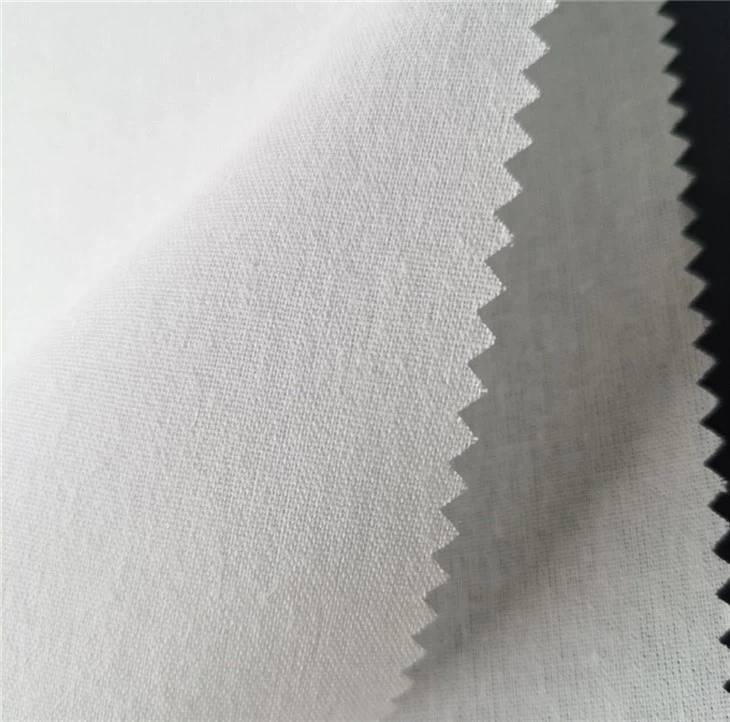

We also understand that different customers have different needs. That's why we offer a variety of colors, patterns, and weights to choose from. Whether you're looking for a classic solid color for a formal suit or a bold pattern for a more trendy piece, we've got you covered.
In addition to silk lining, we also supply other types of lining materials, such as Acrylic Lining Fabric, Suit Lining Fabric, and Polyester Fusible Interlining. These materials are all designed to provide excellent performance and durability.
Contact Us for Your Lining Needs
If you're in the market for high-quality lining materials, whether it's silk lining or something else, we'd love to hear from you. We can provide you with samples so you can see and feel the quality of our products for yourself.
Our team of experts is always on hand to answer any questions you might have and help you choose the right lining material for your project. Whether you're a fashion designer, a tailor, or just someone looking to make a special piece of clothing, we're here to support you.
So, don't hesitate to reach out and start a conversation. We're confident that once you try our lining materials, you'll be back for more. Let's work together to create beautiful, high-quality garments!
References
- "The Complete Guide to Silk Care" by Silk Association of America
- "Textile Repair Techniques" by Jane Smith, a renowned textile expert