

Hey there! As a pique cloth supplier, I often get asked how pique cloth stacks up against twill fabric. So, I thought it'd be cool to break it down and give you the lowdown on how these two fabrics compare.
Basics of Pique Cloth and Twill Fabric
Let's start with the basics. Pique Cloth is a knitted fabric. It's got this unique texture – you can kind of see these little honeycomb - like or waffle - like patterns on its surface. This gives it a certain visual and tactile appeal. It's commonly made from cotton, but you can also find blends with other materials like polyester.
On the flip side, twill fabric is a woven fabric. Its defining feature is the distinct diagonal pattern created by the weaving process. It can be made from various fibers, including cotton, wool, and synthetic materials. Jeans, for example, are often made from a type of twill called denim.
Appearance
When it comes to appearance, pique cloth and twill are easy to tell apart. Pique's honeycomb or waffle pattern is very eye - catching. It looks a bit casual and sporty, which is why it's often used in polo shirts, uniforms, and some athletic wear.
Twill, with its diagonal lines, gives off a more formal and structured look. The diagonal pattern can be subtle or quite prominent, depending on the type of twill weave. For instance, a herringbone twill has a more complex and noticeable pattern compared to a simple twill. It's commonly used in suits, trousers, and outerwear to give a smart and put - together appearance.
Texture
The texture difference between the two is pretty significant. Pique cloth is soft and a bit spongy. That waffle pattern adds a 3D texture, which makes it feel cool and comfortable, especially when you touch it. It's a great fabric for warmer weather because it allows air to circulate through those little pockets in the pattern.
Twill, on the other hand, feels smooth and dense. The tight weave gives it a sturdy feel. You can tell it's a well - made and durable fabric just by running your hand over it. But because of its tight weave, it might not be as breathable as pique in hot conditions.
Durability
In terms of durability, both fabrics have their perks. Pique cloth is fairly durable, thanks to its knitted structure. Knitted fabrics typically have more stretch and can withstand some pulling and tugging without easily tearing. However, it might show signs of wear in high - friction areas after a while, like at the elbows or knees if it's used in clothing.
Twill is generally very durable. The tight woven pattern holds the fibers together well, making it resistant to abrasions. It can handle a lot of rough use, which is why it's a popular choice for workwear and outdoor clothing. Over time, twill only seems to get better and develop a nice patina.
Comfort
Comfort is a big deal, right? Pique cloth is a winner in the comfort department, especially for casual and active wear. The soft texture and breathable nature make it a pleasure to wear, even on sweaty days. Since it's often made from cotton, it's also hypoallergenic for most people.
Twill can be comfortable too, but it depends on the type of fiber and the weight of the fabric. A lightweight cotton twill is great for everyday wear, but a heavy wool twill might be a bit too warm and stiff for some people. If you're wearing it for a long time, especially in a hot environment, you might start to feel a bit uncomfortable.

Versatility
When it comes to versatility, pique cloth is mainly used in a few specific areas. It's a staple in sportswear and casual clothing. You'll see a bunch of polo shirts made from pique because it looks good and is comfortable to move around in. It's also used in some home textiles, like tablecloths and napkins, because of its unique texture.
Twill, on the other hand, is super versatile. It can be used in so many different types of clothing, from formal business suits to casual jeans. You can also find twill used in upholstery, bags, and even some accessories. The variety of fibers it can be made from and the different types of twill weaves make it suitable for a wide range of applications.
Cost
Cost is always a factor when you're choosing a fabric. Pique cloth is usually moderately priced. The cost can vary depending on the quality of the cotton or the blend used. If it's a high - end cotton pique, it might be a bit more expensive, but generally, it's affordable for most consumers.
Twill fabric cost can vary widely. A basic cotton twill used for work pants might be quite inexpensive, but a high - quality wool twill for a designer suit can cost a fortune. The price depends on the fiber, the manufacturing process, and the brand.
Maintenance
Maintenance is another important aspect. Pique cloth is usually easy to care for. Most pique clothing can be machine - washed in cold water and tumble - dried on low. However, you should be careful not to over - dry it, as it can shrink a bit.
Twill also has relatively easy maintenance. If it's made from cotton, it can be machine - washed like pique. But if it's a wool twill, it might require dry - cleaning or more delicate washing instructions to keep its shape and quality.
So, which one is better? Well, it really depends on your needs. If you're looking for something casual, breathable, and comfortable for everyday wear or sports, Pique Cloth is a great choice. But if you need a more formal, durable, and versatile fabric, twill might be the way to go.
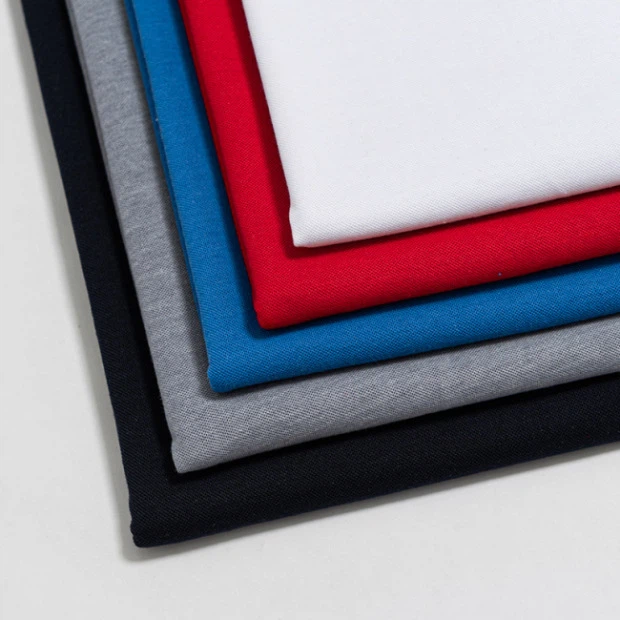
If you're in the market for pique cloth, whether it's for your clothing line, a new project, or just stocking up, I'm here to help. I can offer you high - quality pique cloth at competitive prices. We've got different colors, weights, and blends to meet your specific requirements. So, don't hesitate to reach out and start a conversation about your purchase needs.
References
- Textile Institute. "Textile Terms and Definitions".
- "The Handbook of Textile Fibres" by Roy Harries.
- "Fabric: An Introduction to Visual and Tactile Arts" by Judith Cardwell.