

As a seasoned supplier of warp fabric, I've witnessed firsthand the significance of proper fabric care. Warp fabric, known for its durability and versatility, is a staple in various industries, from fashion to home decor. In this blog, I'll share some essential tips on how to care for warp fabric to ensure its longevity and maintain its quality.
Understanding Warp Fabric
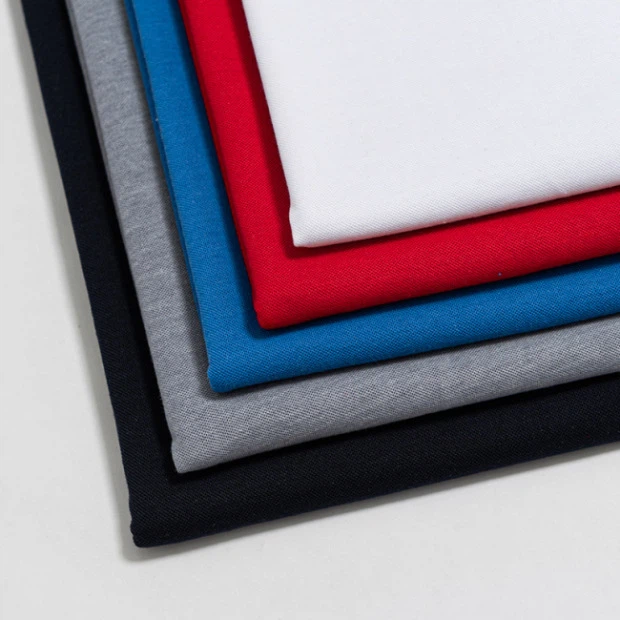
Before delving into care tips, it's crucial to understand what warp fabric is. Warp fabric is created by weaving yarns lengthwise (warp) and crosswise (weft) on a loom. This weaving technique results in a strong and stable fabric with distinct properties. Different types of warp fabric include Pique Cloth, Sport Jersey Tshirt Fabric, and Pique Cloth, each with its own characteristics and care requirements.

Pre - Washing Considerations
- Read the Label: Always check the care label attached to the warp fabric. It provides specific instructions regarding washing, drying, and ironing. Different fibers used in warp fabric, such as cotton, polyester, or a blend, may have different care needs.
- Test for Colorfastness: Before washing the entire piece, test a small, inconspicuous area of the fabric. Dip a white cloth in a mild detergent solution and gently rub it on the test area. If the color transfers onto the white cloth, the fabric may not be colorfast, and you need to take extra precautions during washing.
Washing
- Choose the Right Detergent: Opt for a mild, pH - neutral detergent. Harsh chemicals in some detergents can damage the fibers of the warp fabric. For colored fabrics, use a detergent specifically designed to prevent color fading.
- Select the Appropriate Water Temperature: The water temperature for washing depends on the fabric type. For most cotton - based warp fabrics, warm water (around 30 - 40°C) is suitable. However, delicate or synthetic warp fabrics may require cold water to avoid shrinkage or damage.
- Wash Separately or with Similar Fabrics: To prevent color bleeding and damage from friction, wash warp fabric separately or with similar colors and fabric types. This is especially important for brightly colored or new fabrics.
- Gentle Cycle: Use a gentle cycle on your washing machine to minimize agitation. Excessive agitation can cause the fabric to stretch, lose its shape, or develop pills.
Drying
- Air Drying: Whenever possible, air dry warp fabric. Hang the fabric on a clothesline or lay it flat on a drying rack. This method helps maintain the fabric's shape and reduces the risk of shrinkage. Avoid direct sunlight, as it can cause color fading.
- Tumble Drying: If you need to use a dryer, select a low - heat setting. High heat can damage the fibers, cause shrinkage, and lead to the formation of wrinkles. Remove the fabric from the dryer while it is still slightly damp to prevent over - drying.
Ironing
- Check the Iron Temperature: Different warp fabrics require different ironing temperatures. Cotton fabrics can usually withstand higher temperatures, while synthetic fabrics need a lower setting. Use a steam iron for better results, as the steam helps relax the fibers and remove wrinkles more easily.
- Iron on the Reverse Side: To avoid direct contact between the iron and the fabric surface, iron on the reverse side. This prevents any potential damage to the fabric's finish and color.
- Use a Press Cloth: For delicate warp fabrics, place a thin, clean cloth (such as a cotton handkerchief) between the iron and the fabric. This acts as a barrier and protects the fabric from heat and steam.
Stain Removal
- Act Quickly: As soon as a stain occurs, try to remove it immediately. The longer a stain sits on the fabric, the more difficult it is to remove.
- Identify the Stain Type: Different stains require different treatment methods. For example, for grease stains, use a degreaser or a small amount of dish soap. For protein - based stains like blood or food, soak the fabric in cold water first before applying a stain remover.
- Test the Stain Remover: Before applying any stain remover to the entire stain, test it on a small, hidden area of the fabric to ensure it does not cause discoloration or damage.
Storage
- Clean Before Storage: Make sure the warp fabric is clean and completely dry before storing it. Any dirt or moisture left on the fabric can lead to mold growth and damage during storage.
- Fold Properly: Fold the fabric neatly to prevent creases. If possible, use acid - free tissue paper between the folds to protect the fabric. Avoid hanging warp fabric for long - term storage, as it can stretch over time.
- Store in a Cool, Dry Place: Keep the fabric in a well - ventilated area away from direct sunlight, humidity, and pests. A closet or a storage container with a lid is a good option.
Special Care for Different Types of Warp Fabric
- Cotton Warp Fabric: Cotton is a popular choice for warp fabric due to its breathability and comfort. It is relatively easy to care for but may shrink if not washed and dried properly. Follow the general washing and drying guidelines mentioned above, and it will remain in good condition for a long time.
- Polyester Warp Fabric: Polyester is a synthetic fiber known for its durability and resistance to wrinkles. It can be machine - washed and dried on a low - heat setting. However, it is sensitive to high heat, so avoid using a hot iron or high - heat dryer settings.
- Blended Warp Fabric: Blended warp fabrics combine the properties of different fibers. For example, a cotton - polyester blend may offer the breathability of cotton and the wrinkle - resistance of polyester. Care for blended fabrics by following the care instructions for the dominant fiber or a combination of the care needs of both fibers.
Benefits of Proper Care
- Longevity: By following the correct care procedures, you can significantly extend the lifespan of the warp fabric. This means you can enjoy your favorite garments or home decor items made from warp fabric for many years.
- Maintain Appearance: Proper care helps preserve the fabric's color, texture, and shape. The fabric will look new and fresh for longer, enhancing its aesthetic appeal.
- Cost - Effective: Taking good care of warp fabric reduces the need for frequent replacements. This saves you money in the long run and is also more environmentally friendly.
Contact for Procurement
If you're interested in purchasing high - quality warp fabric, I'd be delighted to discuss your requirements. Whether you need Pique Cloth, Sport Jersey Tshirt Fabric, or any other type of warp fabric, I can provide you with a wide range of options to meet your specific needs. Feel free to reach out for a detailed discussion and to start a procurement process.
References
- "Textile Science and Technology" by M. A. R. Khalil
- "The Complete Guide to Fabric Care" by Jane Smith