

Hey there! As a collar lining supplier, I've seen it all when it comes to keeping collar linings in tip - top shape over time. Collar linings are super important. They not only add structure to your collars but also enhance the overall look and feel of your garments. So, let's dive into how you can maintain them properly.
Understanding Your Collar Lining Material
First things first, you gotta know what your collar lining is made of. There are different types, like Cotton Lining Fabric, Polyester Fusible Interlining, and Non - woven Lining Fabric. Each material has its own characteristics and maintenance requirements.
Cotton lining fabric is natural and breathable. It feels soft against the skin, but it can wrinkle easily. Polyester fusible interlining, on the other hand, is synthetic. It's more durable, resistant to wrinkles, and has a good shape - holding ability. Non - woven lining fabric is lightweight and often used for its ease of handling. It can be a bit more delicate compared to the other two, though.
Pre - Wash Care
Before you even start wearing a garment with a collar lining, it's a good idea to pre - wash it. This helps to shrink the fabric if it's going to shrink at all, so you won't end up with a misshapen collar after the first wash.
For cotton lining fabric, use a gentle cycle in cold water. You can add a mild detergent. Avoid using bleach as it can damage the fibers and change the color. For polyester fusible interlining, cold water is also a good choice. Polyester is pretty resistant to shrinking, but hot water can still cause some problems. Non - woven lining fabric should be washed on a delicate setting. It's best to put it in a mesh laundry bag to prevent it from getting snagged or torn.
Regular Wearing
When you're wearing a garment with a collar lining, try to be a bit careful. Avoid rubbing your neck against the collar too much, as this can cause friction and wear out the lining over time. If you're in a situation where you might get your collar dirty, like eating messy food or doing some hands - on work, you can consider wearing a bib or a protective collar cover.
Also, don't leave your garment in a crumpled heap when you take it off. Hang it up properly on a hanger. This helps to keep the collar lining in its proper shape. A good quality hanger that fits the shoulders of the garment well is ideal. Avoid using wire hangers that can leave marks on the fabric.
Cleaning
Spot Cleaning
For small stains on the collar lining, spot cleaning is your best bet. First, identify the type of stain. For food stains, you can use a mild dish soap. Mix a little bit of soap with water to create a soapy solution. Dip a clean cloth in the solution and gently blot the stain. Don't rub too hard, as this can spread the stain or damage the fabric.
For oil - based stains, like makeup or grease, you can try using a small amount of rubbing alcohol on a cotton ball. Dab it on the stain, but test it on a small, hidden area of the lining first to make sure it doesn't discolor the fabric.
Full Washing
When it's time for a full wash, follow the same washing guidelines as the pre - wash care. But remember, don't wash your garment with collar lining too frequently. Over - washing can cause the fabric to lose its strength and shape.

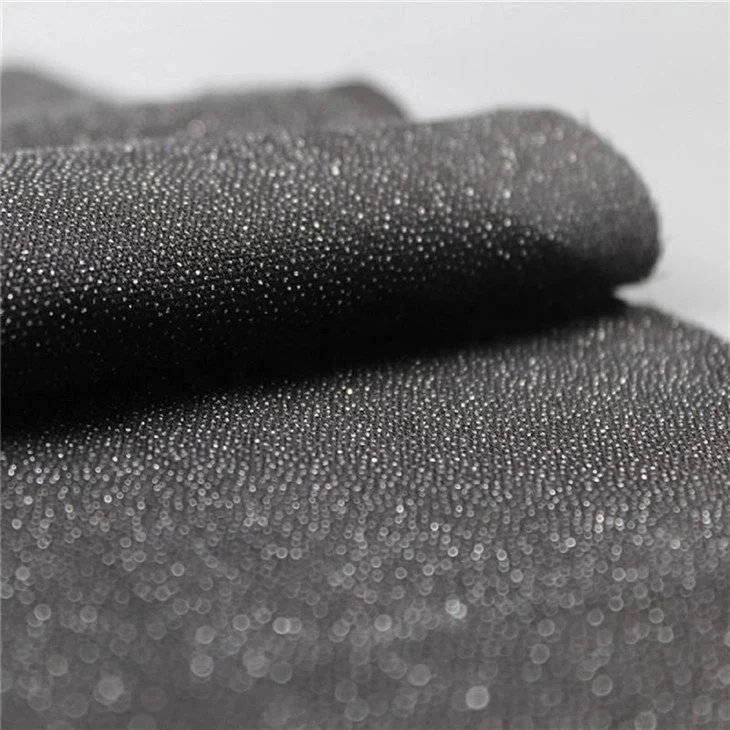
If you're using a washing machine, turn the garment inside out. This helps to protect the collar lining from getting rubbed against other items in the machine. And as I mentioned before, use a gentle cycle and cold water for most types of collar lining materials.
Drying
After washing, the drying process is crucial. For cotton lining fabric, air - drying is the best option. Hang the garment in a well - ventilated area away from direct sunlight. Sunlight can fade the color and weaken the fibers. If you're in a hurry and need to use a dryer, use a low - heat setting.
Polyester fusible interlining can be dried in a dryer on a low - heat setting. It dries relatively quickly and won't shrink as easily as cotton. Non - woven lining fabric should also be air - dried. It's too delicate for the high heat of a dryer, which can cause it to melt or warp.
Ironing
Ironing can help to keep your collar lining looking smooth and crisp. But you need to be careful with the temperature. For cotton lining fabric, you can use a medium - high heat setting on your iron. Make sure to use a pressing cloth, like a thin cotton sheet, between the iron and the lining. This prevents the iron from directly touching the fabric and causing damage.
Polyester fusible interlining requires a lower heat setting. Too much heat can cause the interlining to lose its fusible properties and become sticky. Non - woven lining fabric is very sensitive to heat. Use a very low - heat setting or just steam it without direct contact with the iron.
Storage
When you're not wearing your garment with a collar lining, proper storage is key. Clean it thoroughly before storing it. This prevents any stains from setting in during storage.
Store the garment in a cool, dry place. Avoid storing it in a damp area, as this can lead to mold and mildew growth on the collar lining. You can also use a garment bag to protect it from dust and dirt.
If you're storing your garment for a long time, you can add some silica gel packets to the storage area. These packets absorb moisture and help to keep the environment dry.
Conclusion
Maintaining collar lining over time isn't rocket science, but it does require a bit of attention and care. By understanding the type of material you're dealing with, following the right pre - wash, cleaning, drying, ironing, and storage procedures, you can keep your collar linings looking great for years to come.
If you're in the market for high - quality collar lining materials, whether it's Cotton Lining Fabric, Polyester Fusible Interlining, or Non - woven Lining Fabric, I'm here to help. I've got a wide range of options to meet your needs. Don't hesitate to reach out if you want to discuss your requirements and start a purchase negotiation. I'm looking forward to working with you!
References
- Textile Fabric Care Guidebooks
- Industry - specific research on garment lining materials and maintenance