

Microfiber lining fabric has emerged as a popular choice in various industries, from fashion to automotive interiors, due to its numerous advantages. One of the most critical properties of this fabric is its stretchability. As a lining fabric supplier, I have witnessed firsthand the importance of understanding the stretchability of microfiber lining fabric. In this blog post, I will delve into what stretchability means for microfiber lining fabric, its influencing factors, and how it impacts different applications.
Understanding Stretchability in Microfiber Lining Fabric
Stretchability refers to the ability of a fabric to be stretched and then return to its original shape. In the context of microfiber lining fabric, this property is crucial as it allows the fabric to conform to the shape of the object it lines while maintaining its integrity. When a microfiber lining fabric has good stretchability, it can adapt to movements and changes in shape without tearing or losing its functionality.
There are two main types of stretchability in fabrics: unidirectional and bidirectional. Unidirectional stretch means the fabric can stretch in one direction, typically either the lengthwise (warp) or crosswise (weft) direction. Bidirectional stretch, on the other hand, allows the fabric to stretch in both the warp and weft directions. Microfiber lining fabrics can be engineered to have either type of stretchability depending on the intended application.
Factors Influencing the Stretchability of Microfiber Lining Fabric
Fiber Composition
The type of fibers used in the microfiber lining fabric plays a significant role in determining its stretchability. Microfibers are typically made from synthetic polymers such as polyester, nylon, or a blend of both. Polyester fibers are known for their strength and durability but have relatively low stretchability on their own. Nylon, on the other hand, has better stretch properties and can provide more elasticity to the fabric. By blending polyester and nylon, manufacturers can create a microfiber lining fabric that combines the strength of polyester with the stretchability of nylon.
Some microfiber lining fabrics also incorporate elastane or spandex fibers. These elastomeric fibers are highly stretchable and can significantly enhance the overall stretchability of the fabric. Even a small percentage of elastane in the fiber blend can make a noticeable difference in the fabric's ability to stretch and recover.
Fabric Construction
The way the microfiber lining fabric is constructed also affects its stretchability. Woven fabrics are made by interlacing two sets of yarns at right angles. The tightness of the weave and the type of weave pattern can influence how much the fabric can stretch. For example, a loose plain weave may allow for more stretch than a tight twill weave.
Knitted fabrics, on the other hand, are made by interlocking loops of yarn. Knitted microfiber lining fabrics generally have more stretchability than woven fabrics because the loops can expand and contract more easily. Different knitting techniques can also be used to create fabrics with varying degrees of stretch. For instance, a jersey knit has a moderate amount of stretch, while a rib knit has more stretch in one direction.
Finishing Treatments
Finishing treatments can be applied to microfiber lining fabrics to modify their stretchability. Some treatments can increase the fabric's stretch by relaxing the fibers or altering the surface properties. For example, a heat-setting treatment can help to set the stretch in the fabric and improve its recovery ability. Other treatments may be used to reduce the stretch if a more stable fabric is required.
Importance of Stretchability in Different Applications
Fashion Industry
In the fashion industry, stretchability is a highly desirable property in microfiber lining fabrics. It allows the lining to move with the body, providing comfort and a better fit. For example, in a stretchy dress or a pair of stretch jeans, a microfiber lining with good stretchability can prevent the outer fabric from pulling or bunching. This is especially important for form-fitting garments where the lining needs to conform to the body's curves.
Microfiber lining fabrics with bidirectional stretch are often used in activewear and sportswear. These fabrics can withstand the dynamic movements associated with physical activities, such as running, jumping, and stretching. The stretchability also helps to wick away moisture, keeping the wearer dry and comfortable.
Automotive Industry
In the automotive industry, microfiber lining fabrics are used for seat covers, door panels, and headliners. Stretchability is essential in these applications to ensure a proper fit and a smooth appearance. A lining fabric with good stretchability can be easily installed over the seat frame or other interior components, conforming to their shape without wrinkles or creases.
The stretchability of the microfiber lining fabric also contributes to its durability in the automotive environment. As the seats are used and people get in and out of the car, the lining fabric is subjected to repeated stretching and compression. A fabric with high stretchability and good recovery will be able to withstand these stresses without losing its shape or tearing.
Our Microfiber Lining Fabric Products
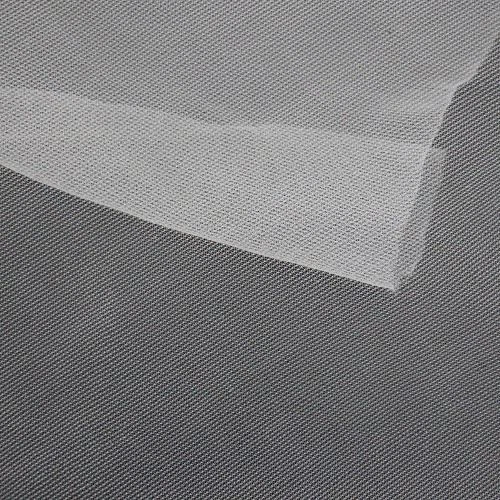
As a lining fabric supplier, we offer a range of microfiber lining fabrics with different stretchability properties to meet the diverse needs of our customers. Our 30D High Elastic Lining is a prime example of a fabric with excellent stretchability. It is made from a blend of high-quality microfibers and elastane, providing both strength and elasticity. This fabric is suitable for a variety of applications, including fashion garments and automotive interiors.
We also have the 20D Mesh Fabric, which has a unique mesh structure that allows for good stretch and breathability. The open mesh design makes it ideal for use in activewear and sportswear, where ventilation is important.
Another product in our lineup is the 15D High Elastic Lining. This fabric is engineered to have a high degree of stretchability in both the warp and weft directions. It is a versatile option that can be used in many different industries, from fashion to furniture upholstery.

Contact Us for Procurement and Negotiation
If you are interested in our microfiber lining fabric products or have any questions about stretchability and its suitability for your specific application, we encourage you to contact us. Our team of experts is ready to assist you in selecting the right fabric and discussing the details of your procurement needs. Whether you are a small business or a large corporation, we are committed to providing you with high-quality products and excellent customer service.
References
- ASTM International. (2018). Standard Test Method for Tensile Properties of Textile Fabrics. ASTM D5034.
- Morton, W. E., & Hearle, J. W. S. (2008). Physical Properties of Textile Fibres. Woodhead Publishing.
- Postle, R. (2001). Handbook of Technical Textiles. Woodhead Publishing.