

Pique cloth, a versatile and widely used textile, has a rich history and a fascinating origin story. As a supplier of Pique Cloth, I am excited to share with you the journey of this remarkable fabric, from its humble beginnings to its modern - day applications.
The Origins of Pique Cloth
The exact origin of Pique cloth is somewhat shrouded in the mists of time, but it is believed to have emerged in the 19th century. The word “pique” itself comes from the French word meaning “pricked” or “stung,” which likely refers to the raised, textured pattern that is characteristic of this fabric.
Initially, Pique cloth was developed as a practical and durable material for workwear. Its unique construction made it resistant to wear and tear, making it ideal for laborers in various industries. The fabric's textured surface also provided better grip, which was beneficial for those handling tools and equipment.
The Manufacturing Process
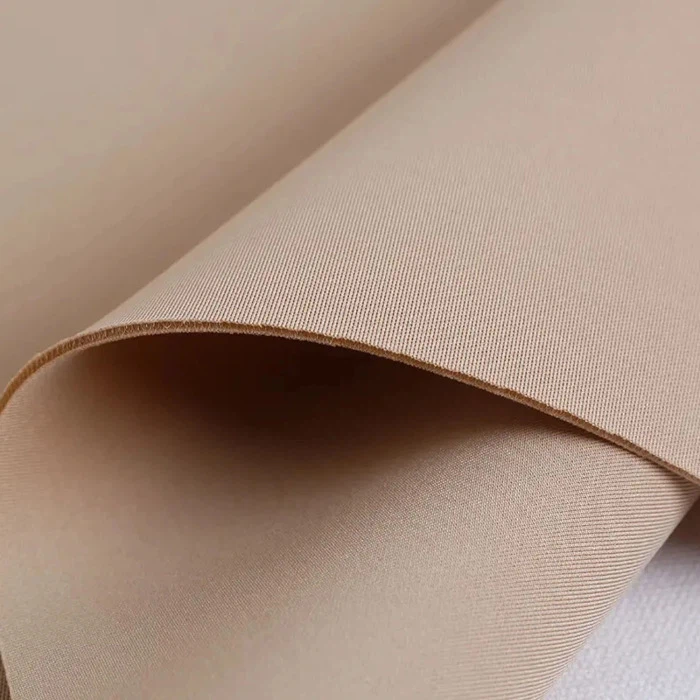
Pique cloth is a type of double - knit fabric, which means it is made by knitting two layers of fabric together. This double - layer construction gives Pique cloth its signature thickness and durability. The most common knitting technique used to create Pique cloth is the warp - knitting method.
In warp knitting, the yarns are fed lengthwise along the fabric, creating a series of interlocking loops. This process allows for a high degree of control over the fabric's texture and pattern. The raised patterns in Pique cloth are created by varying the tension and direction of the yarns during the knitting process.
The choice of yarn is also crucial in determining the quality and characteristics of Pique cloth. Traditionally, Pique cloth was made from cotton, which is known for its breathability, softness, and absorbency. However, with advancements in textile technology, synthetic fibers such as polyester and nylon are now often blended with cotton to enhance the fabric's performance. Polyester, for example, adds strength and wrinkle - resistance, while nylon provides elasticity and durability.
Geographical Origins
While Pique cloth has become a global commodity, its production has been historically concentrated in certain regions. France, with its long - standing tradition of textile manufacturing, was one of the early producers of Pique cloth. The French textile industry was known for its high - quality craftsmanship and innovative techniques, which helped to establish Pique cloth as a premium fabric.
Over time, the production of Pique cloth has spread to other parts of the world. Asia, particularly countries like China and India, has emerged as a major hub for Pique cloth manufacturing. These countries have a large labor force and advanced manufacturing facilities, which allow for cost - effective production on a large scale.
In addition to Asia, countries in Central and South America also have a significant presence in the Pique cloth market. These regions are known for their production of high - quality cotton, which is a key raw material for Pique cloth. The combination of local cotton resources and skilled labor has made these countries competitive players in the global textile industry.
Modern - Day Applications
Today, Pique cloth is used in a wide range of applications, thanks to its unique properties. One of the most common uses of Pique cloth is in sportswear. Its breathability and moisture - wicking properties make it ideal for athletic jerseys, T - shirts, and shorts. The raised patterns on the fabric also provide a certain degree of ventilation, which helps to keep athletes cool and comfortable during intense physical activity. You can find more information about Sport Jersey Tshirt Fabric on our website.
Pique cloth is also popular in the fashion industry. It is often used to create casual wear such as polo shirts, blouses, and dresses. The fabric's textured surface adds a touch of sophistication and uniqueness to these garments, making them stand out from the crowd.
In addition to sportswear and fashion, Pique cloth has other practical applications. It is used in the production of home textiles such as curtains, upholstery, and bedding. The fabric's durability and easy - care properties make it a great choice for these applications.
Our Role as a Pique Cloth Supplier
As a supplier of Pique Cloth, we are committed to providing our customers with high - quality products. We source our raw materials from trusted suppliers, ensuring that our Pique cloth is made from the finest yarns. Our manufacturing process is carefully monitored to maintain strict quality control standards.
We offer a wide range of Pique cloth products, including different colors, patterns, and blends. Whether you are looking for a classic cotton Pique cloth or a high - performance synthetic blend, we have the right product to meet your needs. You can explore our full range of Pique Cloth on our website.
Why Choose Our Pique Cloth
There are several reasons why you should choose our Pique cloth. Firstly, our products are of the highest quality. We use advanced manufacturing techniques and strict quality control measures to ensure that every piece of Pique cloth we produce meets the highest standards.
Secondly, we offer competitive pricing. We understand the importance of cost - effectiveness in today's market, and we strive to provide our customers with the best value for their money.
Finally, we have excellent customer service. Our team of experts is always available to answer your questions and provide you with technical support. Whether you are a small business or a large corporation, we are committed to building long - term relationships with our customers.
Contact Us for Procurement
If you are interested in purchasing Pique cloth, we invite you to contact us for procurement. Our team will be happy to discuss your specific requirements and provide you with a detailed quote. We look forward to the opportunity to work with you and meet your Pique cloth needs.

References
- Textile History Society. "The Evolution of Knitted Fabrics." Journal of Textile Studies, Vol. 25, No. 3, 2018.
- International Textile Manufacturers Federation. "Global Textile Industry Report 2022." ITMF Publications, 2022.
- Cotton Incorporated. "Cotton: The Versatile Fiber." Cotton Facts, 2023.