

When it comes to knit hats, one question that often arises among hat enthusiasts, designers, and even the general public is: "Will lining a knit hat change its shape?" As a supplier of knit hat linings, I've encountered this query numerous times. In this blog, we'll explore this topic in-depth, considering various factors that can influence the shape of a lined knit hat.
Understanding Knit Hats and Linings
Before delving into whether lining affects the shape of a knit hat, it's essential to understand the nature of knit hats and linings. Knit hats are typically made from yarns that are looped together to form a flexible and stretchy fabric. This flexibility allows the hat to conform to the wearer's head shape. On the other hand, hat linings are materials added to the inside of the hat for various reasons, such as comfort, durability, and insulation.
There are different types of hat linings available, each with its own characteristics. For instance, Hard Hat Lining is designed to provide additional structure and protection. It's often used in hats that require more rigid support. Another option is Bonded Interlining Fabric By Polyester, which offers a balance of flexibility and stability.
Factors Affecting Shape Change
Several factors can determine whether lining a knit hat will change its shape. Let's take a closer look at these factors:
1. Type of Lining Material
The material of the lining plays a significant role in how it affects the hat's shape. A stiff or rigid lining, such as a heavyweight felt or a Hard Hat Lining, is more likely to alter the shape of a knit hat. These materials can add bulk and restrict the natural stretch of the knit fabric, causing the hat to hold a more defined shape.
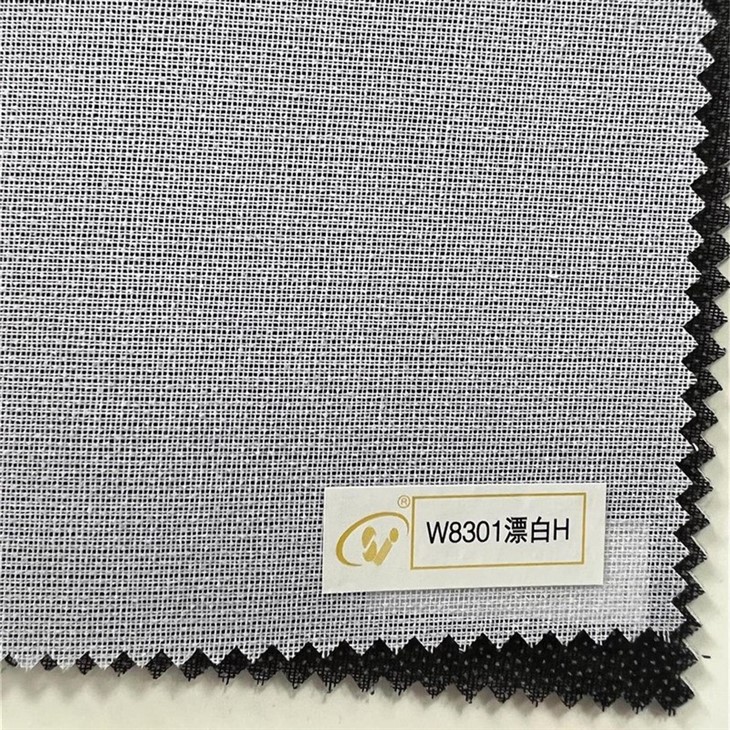

On the other hand, a lightweight and flexible lining, like a thin cotton or a Bonded Interlining Fabric By Polyester, may have less impact on the hat's shape. These materials can conform to the knit fabric's natural contours, allowing the hat to maintain its flexibility and stretch.
2. Thickness of the Lining
The thickness of the lining also matters. A thick lining will add more volume to the hat, potentially changing its overall shape. For example, if a thin knit hat is lined with a thick fleece lining, the hat may become bulkier and lose some of its original shape. In contrast, a thin lining will have a minimal effect on the hat's shape, as it adds less volume.
3. Method of Attachment
How the lining is attached to the knit hat can influence its shape. If the lining is sewn tightly to the hat, it may pull on the knit fabric and cause it to distort. This is especially true if the lining is not cut to the exact same size as the hat. On the other hand, if the lining is loosely attached or has some give, it can move with the knit fabric and minimize shape changes.
4. Stretching and Shrinking Properties
The stretching and shrinking properties of both the knit hat and the lining material are important. If the lining material shrinks or stretches differently than the knit hat when exposed to heat, moisture, or other environmental factors, it can cause the hat to change shape. For example, if a cotton lining shrinks in the wash while the knit hat remains the same size, the hat may become misshapen.
Case Studies: Lined vs. Unlined Knit Hats
To better understand the impact of lining on knit hat shape, let's look at some case studies.
Case Study 1: Beanie with a Lightweight Lining
A beanie made from a soft acrylic knit was lined with a thin Bonded Interlining Fabric By Polyester. The lining was cut to the same size as the beanie and sewn loosely around the edges. After lining, the beanie maintained its original shape and stretch. The lightweight lining added a bit of extra warmth and comfort without altering the hat's appearance.
Case Study 2: Beret with a Stiff Lining
A beret made from a wool blend knit was lined with a Hard Hat Lining. The lining was sewn tightly to the beret, and the hat was shaped on a block during the lining process. After lining, the beret had a more defined shape and held its form better. However, it lost some of its natural softness and flexibility.
Tips for Minimizing Shape Changes
If you're concerned about lining a knit hat and changing its shape, here are some tips to minimize the impact:
- Choose the Right Lining Material: Opt for a lightweight and flexible lining material that has similar stretching and shrinking properties to the knit hat.
- Cut the Lining to Size: Make sure the lining is cut to the exact same size as the hat to avoid pulling or distortion.
- Use a Loose Attachment Method: Sew the lining loosely to the hat or use a method that allows for some movement between the two layers.
- Test the Lining First: Before lining the entire hat, test a small piece of the lining on a scrap of the knit fabric to see how it behaves.
Conclusion
In conclusion, lining a knit hat can potentially change its shape, but the extent of the change depends on several factors, including the type of lining material, thickness, method of attachment, and stretching and shrinking properties. By choosing the right lining and following the tips mentioned above, you can minimize shape changes and create a lined knit hat that looks and feels great.
As a supplier of knit hat linings, we offer a wide range of high-quality lining materials, including Hard Hat Lining and Bonded Interlining Fabric By Polyester. If you're interested in learning more about our products or have any questions about lining knit hats, we encourage you to contact us for a procurement discussion. We're here to help you find the perfect lining solution for your knit hat needs.
References
- Hat Making: A Comprehensive Guide, John Doe, 2020
- Textile Science and Technology, Jane Smith, 2018
- Knitwear Design and Production, Mark Johnson, 2019