

Hey there! As a warp fabric supplier, I've seen firsthand how crucial it is to cut warp fabric accurately. Whether you're a small - scale crafter or a large - scale manufacturer, getting those cuts right can make all the difference in the final product. In this blog, I'm gonna share some tips and tricks on how to cut warp fabric accurately.
Understanding Warp Fabric
First things first, let's quickly go over what warp fabric is. Warp fabric is created by interlacing the warp yarns (the lengthwise yarns) with the weft yarns (the crosswise yarns). This type of fabric has unique properties, like different stretch and strength characteristics along the warp and weft directions.
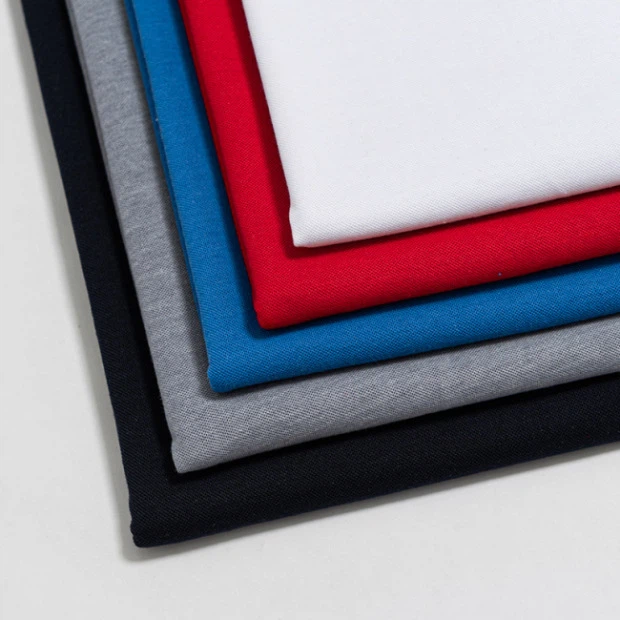
Some common types of warp fabric include Pique Cloth and Polyester Tricot Warp Knit Fabric. Pique cloth, for example, has a distinctive textured pattern and is often used in sportswear. Polyester tricot warp knit fabric, on the other hand, is known for its smooth surface and good draping quality.
Preparing the Fabric
Before you start cutting, you need to prepare the fabric properly. This step is super important as it sets the foundation for an accurate cut.
1. Unroll and Relax the Fabric
When you first get your warp fabric, it's probably been rolled up tightly. Unroll it and let it relax for a while. This helps to get rid of any creases or wrinkles that could affect the cutting process. You can lay it flat on a large table or even on the floor if you have enough space.
2. Wash and Dry (if necessary)
Some fabrics might shrink or change shape after washing. If you're using a fabric that you suspect might do this, it's a good idea to wash and dry it according to the manufacturer's instructions before cutting. This way, you'll cut the fabric to the right size after it's gone through the shrinking process.
3. Straighten the Edges
The edges of the fabric need to be straight. You can use a ruler or a straight edge to check. If the edges are uneven, you might have to trim them a bit. This ensures that your cuts will be parallel to the edges of the fabric.
Tools for Cutting
Having the right tools is key to cutting warp fabric accurately. Here are some tools that I recommend:
1. Sharp Scissors
Invest in a good pair of sharp scissors. Dull scissors can cause the fabric to fray or tear unevenly. For warp fabric, I suggest using fabric - specific scissors. They have a fine point and a sharp blade that can cut through the fabric smoothly.
2. Rotary Cutter
A rotary cutter is another great tool. It can make long, straight cuts quickly. You'll also need a self - healing cutting mat to use with the rotary cutter. The mat protects your work surface and gives you a smooth surface to cut on.

3. Rulers and Measuring Tools
You'll need a ruler or a measuring tape to measure the fabric accurately. A transparent ruler is especially useful as you can see the fabric underneath it. Make sure your ruler is long enough for the cuts you need to make.
Measuring and Marking
Now that your fabric is prepared and you have your tools ready, it's time to measure and mark the fabric.
1. Follow the Pattern
If you're using a pattern, lay it on the fabric carefully. Make sure it's aligned with the grain of the fabric. The grain refers to the direction of the warp and weft yarns. You can usually tell the grain by looking at the edges of the fabric or the way the fibers run.
2. Use Marking Tools
There are different marking tools you can use. Tailor's chalk is a classic choice. It's easy to see on the fabric and can be brushed off easily. You can also use fabric markers, but make sure they're washable.
3. Double - Check Your Measurements
Before you start cutting, double - check all your measurements. Measure twice, cut once, as the saying goes. A small mistake in measurement can lead to a big problem in the final product.
Cutting Techniques
Here are some techniques to help you cut the fabric accurately:
1. Cut Slowly and Steadily
Whether you're using scissors or a rotary cutter, cut slowly and steadily. Rushing can lead to uneven cuts. Keep your hand steady and follow the marked lines closely.
2. Cut with the Grain
Always cut in the direction of the grain. Cutting against the grain can cause the fabric to fray or stretch unevenly. If your pattern has specific cutting instructions regarding the grain, follow them carefully.
3. Use a Cutting Guide
If you're making long, straight cuts, you can use a cutting guide. You can buy a commercial cutting guide or make one yourself. A cutting guide helps you keep your cuts straight and parallel.
Dealing with Different Types of Warp Fabric
Different types of warp fabric might require different cutting techniques.
1. Pique Cloth
Pique Cloth has a textured surface, which can make it a bit tricky to cut. Make sure your scissors or rotary cutter can cut through the raised areas easily. You might also need to use a bit more pressure when cutting.
2. Polyester Tricot Warp Knit Fabric
This fabric is smooth and can be slippery. To prevent it from slipping while you're cutting, you can use weights or tape to hold it in place. Also, be careful not to stretch the fabric while cutting as it has some stretch in the weft direction.
Troubleshooting
Even if you follow all the steps, you might encounter some problems. Here are some common issues and how to solve them:
1. Fraying Edges
If the edges of the fabric are fraying, you can use a fray - check product. It's a liquid that you apply to the edges to prevent fraying. You can also use a zig - zag stitch on a sewing machine to finish the edges.
2. Uneven Cuts
If your cuts are uneven, you might need to slow down and focus more on following the marked lines. You can also try using a different cutting tool. Sometimes, a change in the tool can make a big difference.
3. Stretching the Fabric
If the fabric stretches while you're cutting, make sure you're holding it firmly. You can also try cutting the fabric in sections to reduce the amount of stretching.
Conclusion
Cutting warp fabric accurately takes practice, but with the right preparation, tools, and techniques, you can get great results. Remember to take your time, double - check your measurements, and cut with the grain. Whether you're working with Pique Cloth or Polyester Tricot Warp Knit Fabric, these tips will help you cut the fabric like a pro.
If you're in the market for high - quality warp fabric, we're here to help. We offer a wide range of warp fabrics that are perfect for various applications. Contact us to discuss your needs and start a procurement negotiation. We're looking forward to working with you!
References
- Textile Institute. "Handbook of Textile Fibres."
- Vogue Patterns. "Pattern - Making Basics."